
Quick Summary: SE Ranking is a solid, affordable choice for tracking thousands of organic ecommerce keywords, with daily updates and useful splits by device, market, and page type. Its main gap is that it doesn’t monitor Google Shopping product listings, so you’ll need Merchant Center data or a tool like SnowSEO for that. The Core plan at $129/month covers 2,000 keywords, but multi-market catalogs can drain that allowance fast. For pure organic rank tracking at scale, it works well, but ecommerce teams needing product-feed insights should look elsewhere.
When a collection page drops for a high-intent product query, one national rank number tells you nothing. This SE Ranking review for ecommerce digs into which markets, devices, and landing pages actually changed. We tested its documented tracking features against catalog-scale store needs, so you can judge the fit fast. If you monitor thousands of product and category keywords, this SE Ranking review for ecommerce gives you the straight answer, including where organic tracking ends and Shopping product tracking begins.
Does SE Ranking Track Ecommerce Keywords at Useful Granularity?
Yes, mostly. SE Ranking lets you split rankings by device, location, search engine, and keyword group, which covers the core ecommerce needs. You can tag keywords by page type and category, then filter reports to see how an entire product line performs instead of scanning single keywords.

Test Product, Category, Device, and Market Splits
Here is a practical test to run before you commit:
- Group by page type. Build separate groups for product pages, category pages, and blog content. SE Ranking supports keyword groups, so this is easy.
- Split devices. Mobile and desktop rankings often differ. Mobile drives most ecommerce traffic, so track both, as ecommerce tracking guidance recommends.
- Add 3-5 key markets. Rankings shift by city and country. Track your top revenue regions separately.
- Check SERP features. See if the tool flags Shopping carousels above organic results.
One gap: SE Ranking’s organic tracker does not monitor Google Shopping product listings. For that, you need Merchant Center data or a Shopping-specific tool.
Also Read: How to Choose SEO Tools for Your Marketing Workflow
Can It Explain Which Ecommerce Pages and SERP Features Win?
Separate Organic Rankings from Shopping Placements
A product can rank twice on Google: once as a web page and once in a shopping module. These come from different systems. Organic results come from Google’s web index. Product grids and Shopping tab listings come from the feed and data you supply through Google’s free listings program, not from page authority alone.
This matters because product features now dominate. Research on ecommerce SERPs found Google’s product feature triggers on 65-80% of shopping keywords and can take up most of the visible page.
So check whether a tool keeps these separate. In SE Ranking you can:
- Track organic page positions per keyword.
- Flag when a Shopping block appears on the SERP.
- Report which surface actually drove visibility.

If a report blends them into one “position,” you cannot tell whether a category page or your Merchant Center feed won the click.
Also Read: New AI Search Studies Put Rank Tracking Under Scrutiny
Is the Monitoring Workflow Practical for a Growing Store?
For a store adding products every month, setup speed matters more than dashboards. SE Ranking handles this well: you can bulk paste keywords, group them by category, and tag product versus collection terms in one pass. The import flow is similar across tools like SEMrush and Ahrefs, so switching costs stay low, as this rank tracking walkthrough shows.
The practical catch is scale. Bulk keyword metrics come through the API in up to 5,000-keyword batches, and API access only starts on the Growth plan, so catalog-scale tracking needs budget. Target URL assignment also helps: it flags cannibalization when two pages fight over one term, which grows stores hit constantly.
Workflow in short:
- Import keywords in bulk.
- Group by category and page type.
- Assign target URLs.
- Review weekly, act on drops.
Also Read: 10 Best Tools for Competitor SEO Analysis in 2024
Is SE Ranking Worth It for Ecommerce Keyword Monitoring?
For most stores, yes. Core costs $129/month and tracks 2,000 keywords daily, which covers large product and category sets better than Semrush’s 500 at entry level (Digital Reach review). One catch: your keyword allowance counts each keyword-engine-location combo, so multi-market catalogs shrink it fast. Also, SE Ranking tracks organic rankings, not Shopping grid placements, so pair it with Merchant Center data or a platform like SnowSEO that covers both surfaces.

Also Read: Rank Tracking vs SEO Analytics for AI Search Growth
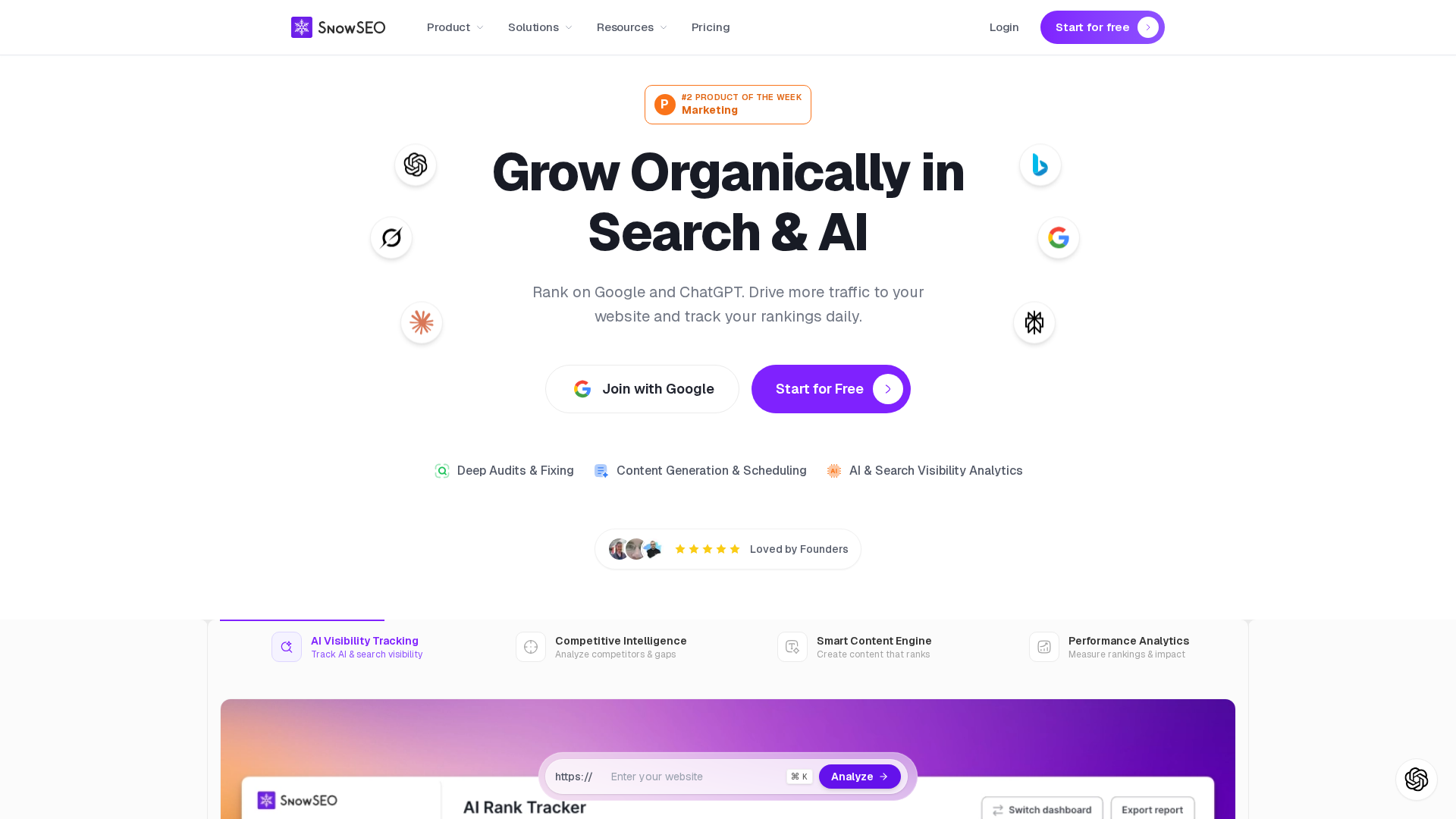
Tracking thousands of product and category keywords? SnowSEO handles catalog-scale rank tracking in one platform. Start your free trial today.
Frequently Asked Questions
Q1: Does SE Ranking provide enough ecommerce monitoring depth for growing search teams?
Yes for most mid-size stores. It tracks thousands of product and category keywords with daily updates and flexible locations. Very large catalogs or Shopping-specific product tracking may need a supplement like SnowSEO.
Q2: Can SE Ranking track product-level rankings separately from category pages?
Yes. You can tag keywords by type, so product and category terms report separately. Just budget check credits carefully on big catalogs.
Q3: How often does SE Ranking update keyword positions?
Daily by default on paid plans, with on-demand checks available. For fast-moving ecommerce niches, daily tracking plus alerts catches drops before revenue suffers.
Q4: Is SE Ranking a good SnowSEO alternative for ecommerce teams?
It works for rank tracking basics. SnowSEO adds AI visibility tracking across ChatGPT and Claude, which matters as shoppers shift to AI-assisted product discovery.
Conclusion
SE Ranking handles large-scale organic keyword tracking well at a fair price. Where it falls short is Shopping-specific product monitoring, which it does not cover. For pure rank tracking across big catalogs, it works; ecommerce teams wanting product-feed insights may find SnowSEO a closer fit.
Leave a Reply