
Keyword research in 2026 is no longer just about high-volume terms. You need to read intent, watch SERP layouts, and account for AI Overviews. Many teams still cling to old tools and static lists. That kills performance because they miss intent mismatches, AI answer boxes, and cluster-level demand. This guide breaks down the new trends, a modern workflow, and concrete wins. It is built for SEO pros and business teams that need scalable, current strategy.
Quick Summary: Keyword research in 2026 is no longer about chasing the highest-volume terms; it’s about matching search intent, understanding SERP layouts, and accounting for AI Overviews and other zero-click behavior. The article lays out a modern workflow: start with business goals and intent, expand keywords from sources like autocomplete, People Also Ask, Search Console, and competitors, then cluster terms into pillar-and-support content and score opportunities by business fit, intent strength, difficulty, trend, and existing presence. Its main caveat is that volume still matters only secondarily, since a low-volume, high-intent keyword can outperform a broad term that AI answers directly, so teams should verify intent and page type against live SERPs before publishing.
What changed in keyword research in 2026
Keyword research in 2026 shifted from chasing volume to decoding intent and AI behavior. You are no longer asking “what gets clicks?” but “what gets cited and chosen?”.
1. AI Overviews and zero-click behavior
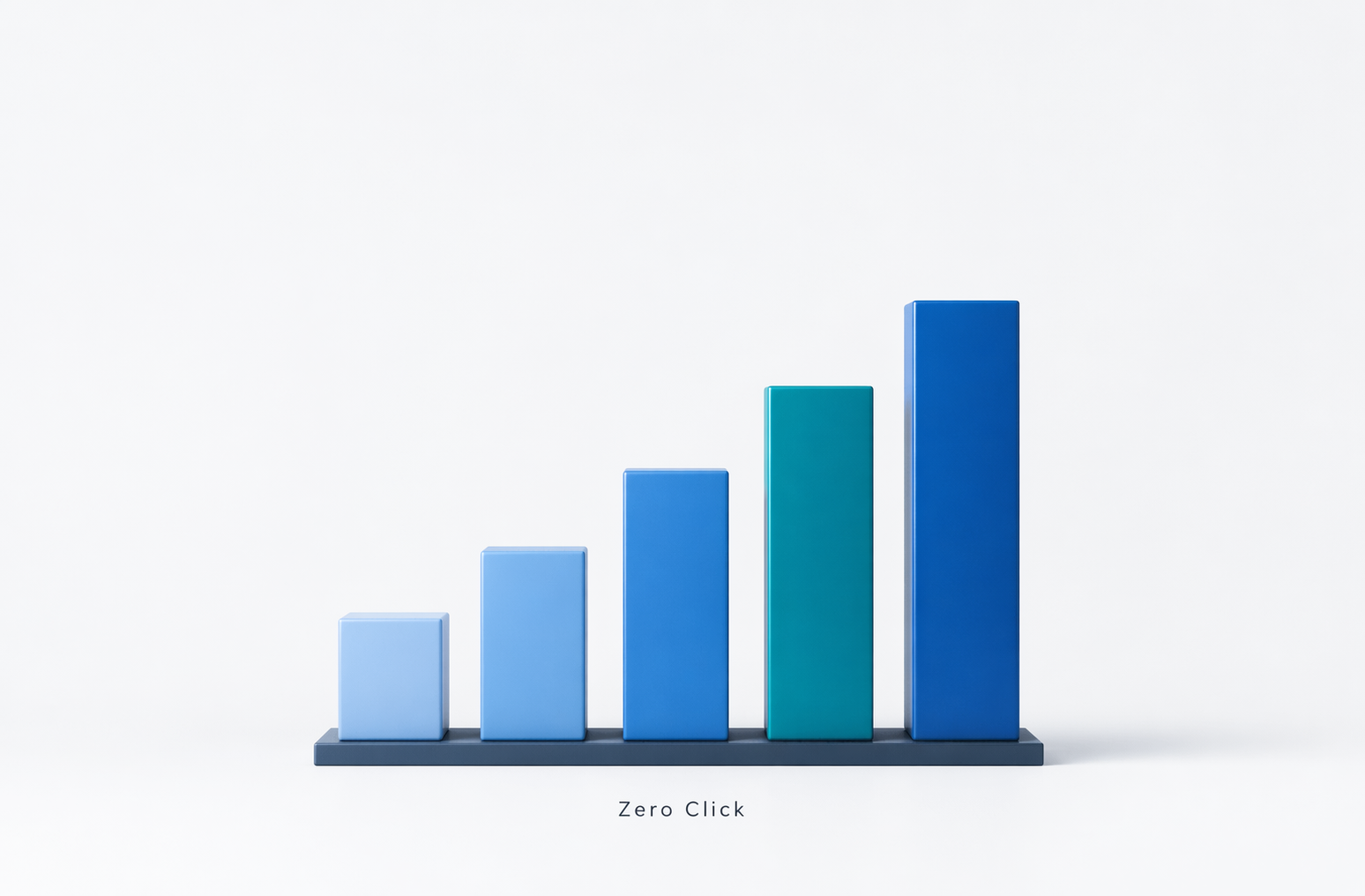
AI Overviews and assistants now answer many queries before anyone clicks. Zero-click searches sit around 60 percent and are climbing toward 70 percent by late 2026, according to syncgtm.com. That killed the old “traffic at any cost” model.
You now qualify keywords by:
- How often AI Overviews show
- Whether brands are cited inside those boxes
- If users still need to click for detail
You are doing keyword research partly to find where AI will steal the click and where it still cannot.
2. Intent is replacing volume as the first filter
Volume is a supporting metric now. The lead question is intent: what decision is this search tied to?
According to rankenstein.pro, zero-click rates and AI summaries mean broad info terms rarely justify effort. Smart teams start with:
- Decision stage (research, compare, buy)
- Commercial weight of the query
- Fit with their topical authority
A 150-search, bottom-of-funnel keyword that signals “ready to buy” beats a 10,000-search definition term where AI Overviews take everything.
A modern keyword research workflow
Keyword research in 2026 is a workflow, not a one-off brainstorm. Run it like a repeatable system that lines up with how search and AI now work.
1. Start with goals, audience, and search intent
Set business goals first: do you want leads, sales, signups, or brand searches?
Then define:
- Who you are targeting
- What problem they are trying to solve
- What their next click should be
Use an intent-first frame like in the intent shift model from 2026: every keyword must tie to a clear next-step action.
2. Expand keywords with sources that still matter
Forget 200-keyword spreadsheets pulled from random tools. Use:
- Google autocomplete and People Also Ask for real questions
- Google Search Console for queries that almost rank
- Competitor SERPs to see proven topics they win
Layer AI on top with a tool connected to real keyword data, as described in this breakdown of AI keyword research.
3. Cluster keywords and map them to content
Group related queries into clusters:
- One pillar topic
- Multiple support pieces around it
- Internal links that connect everything
SnowSEO helps here by turning keyword lists into topic clusters and content briefs, so writers stop guessing.
4. Score opportunities by value, not just volume
Score each keyword or cluster by:
- Business fit
- Intent strength
- Difficulty
- Trend line
- Existing presence
High-intent, mid-volume terms with real conversion odds beat vanity head terms every time.
Where keyword research creates the biggest wins
1. Content briefs and topical authority
Keyword research pays off most when it shapes tight content briefs, not just titles. You use keyword data to see the full topic, the intent mix, and the gaps competitors missed. That lets you plan one strong pillar with smart clusters around it, instead of 20 thin posts.
Tools like SnowSEO turn those keywords into briefs with headings, semantic terms, and target length based on live SERP analysis, so writers stop guessing and start building real topical authority.

2. Traffic quality and conversion gains
Volume is ego. Intent is money.
Strong keyword research finds:
- Terms with clear next-step intent
- Queries that match your actual offer
- Phrases real buyers use in sales calls
You then:
- Prioritize high intent over raw traffic.
- Map keywords to funnel stages and offers.
- Use Google Search Console data to refine which terms actually convert.
This is where you see the biggest lift: fewer visits, better leads, higher revenue from the same content budget.
Also Read: Best SEO Tools: 25 Picks to Improve Rankings in 2026
Quick questions teams should ask before publishing
Run this checklist before you hit publish. It saves you from weak rankings and confused readers.
1. Does this keyword match intent and page type?
Start here. If intent and page type are wrong, nothing else matters.
Ask:
- Is the search intent informational, commercial, or transactional?
- Does the page type fit that intent: guide, comparison, review, or landing page?
- Would a real user feel, “Yes, this is what I was looking for”?
Cross check your draft with live SERPs and tools like Google Search Console to see what queries already land on similar pages. This helps you spot mismatches between what you want to rank for and what Google thinks the page is about, which aligns with how snowseo.com describes intent based planning.
If intent, keyword, and page type do not line up, fix that before you edit anything else.
Audit your current keyword process and update it with an intent-first, AI-aware workflow using SnowSEO to win 2026.
Frequently Asked Questions
Q1: How often should I update keyword research in 2026?
Review core keywords quarterly and refresh campaign keywords monthly. Update faster in volatile niches or after big product, season, or algorithm changes. Track shifts in search intent and AI answers, not just volume.
Q2: How do I balance AI tools with classic keyword research?
Use classic sources first: Google Search Console, autocomplete, People Also Ask, and SERP analysis. Then let AI tools cluster, expand, and score topics. You set direction and rules, AI speeds grunt work, not strategy.
Q3: What if my keyword data conflicts across tools?
Pick one primary data source, then use others as directional. Compare trends, not exact numbers. When in doubt, trust real performance from Search Console, test with small pages, and watch conversions, not just clicks.
Q4: Who should own keyword research in a small team?
Give one owner: usually the SEO lead or content manager. They sync with product, sales, and paid media. Everyone can suggest ideas, but one person keeps the map, sets priorities, and avoids random keyword chaos.
Conclusion
Keyword research in 2026 is simple to sum up: intent first, strings second. Users type full situations, not just short phrases, and AI systems parse meaning, not density.
AI Overviews and zero-click results make SERP layout analysis just as important as volume, as highlighted by zero-click research from sparktoro.com.
The teams that win follow a cluster-based workflow, map each intent to a single page, and prioritize business value over raw traffic.
Leave a Reply