
Keyword research in 2026 means finding terms you can actually win, matching search intent, and picking queries that still earn clicks in AI-heavy results. Many teams use Keyword Research Tools that show volume and difficulty, but miss rank potential, page fit, and click loss. This guide compares 9 Keyword Research Tools, including SEO Tools 2026 picks and Best SEO Software, based on discovery, intent, SERP insight, workflow, and AI-search data. These Keyword Research Tools help you choose a stack that drives traffic.
Quick Comparison
| Tool | Best for | Core keyword data | Intent and SERP insight | Workflow fit |
|---|---|---|---|---|
| Ahrefs | Advanced keyword research and competitor analysis | Search volume, KD, clicks, traffic potential | Strong | Full SEO research workflow |
| Semrush | All-in-one keyword planning and SEO operations | Volume, difficulty, CPC, intent | Strong | SEO plus PPC planning |
| Google Keyword Planner | Free demand validation and seed keyword research | Search estimates and forecasts | Limited | Early-stage research and PPC support |
| Keywords Everywhere | Fast in-browser keyword research | Volume, CPC, competition, related terms | Moderate | Quick validation and idea generation |
What to know about keyword research tools
Keyword research tools help you find terms worth targeting before you publish. The best ones now show search demand, ranking difficulty, user intent, and content gaps, so you can pick topics with a real chance to drive traffic.
In 2026, that is not enough on its own. Strong tools also connect keywords to topic clusters, SERP patterns, and AI search visibility. That helps teams avoid vanity terms and focus on traffic they can actually win.
1. Ahrefs
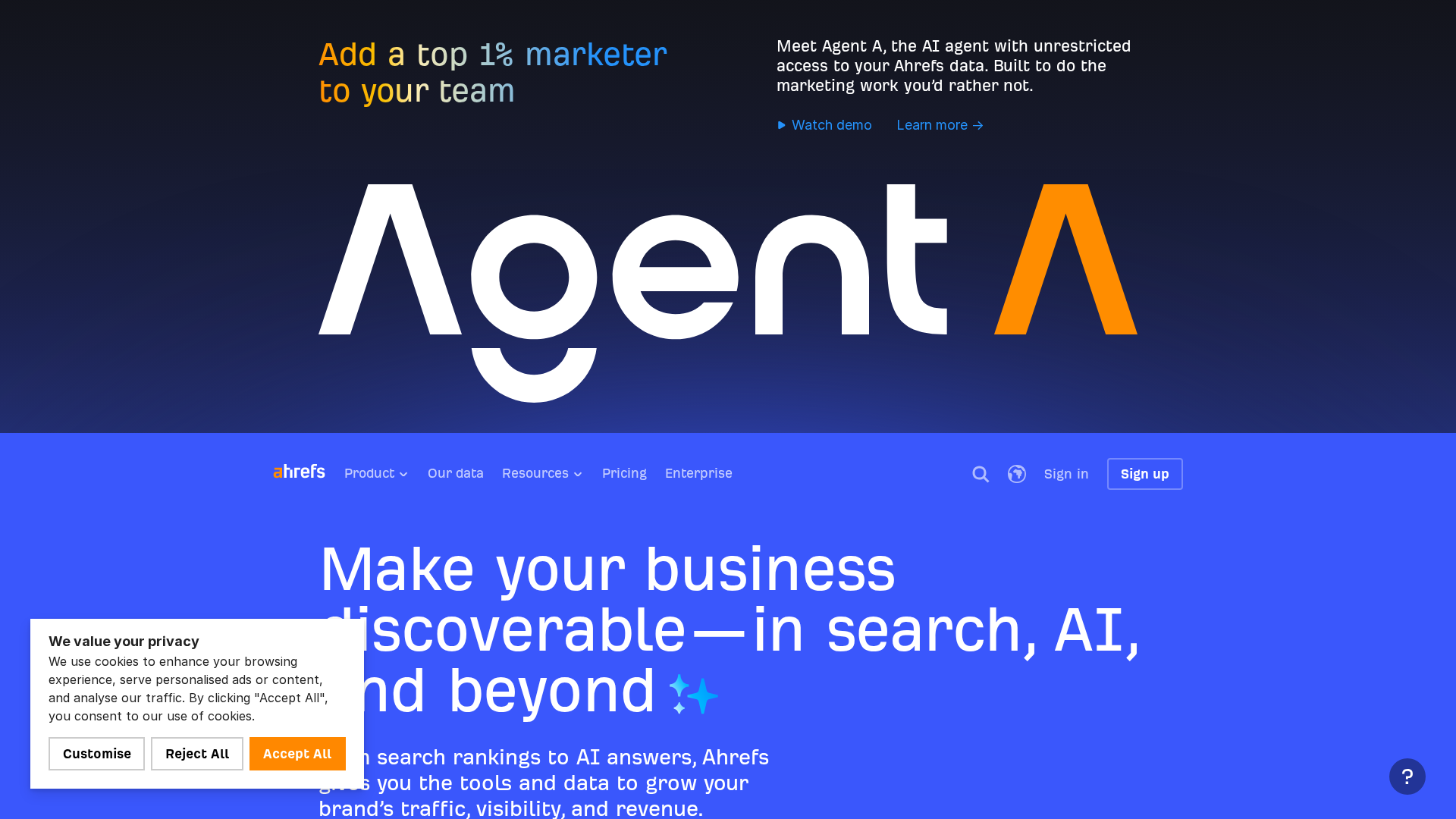
Ahrefs is built for teams that need deep keyword discovery and solid competitor research. Its Keywords Explorer pairs search volume, clicks, KD, traffic potential, and Parent Topic so you can pick targets with more confidence than basic keyword research tools.
Highlights
- Multiple keyword idea modes and strong SERP review
- Competitive gap research and low-competition finds
Specs - Best for: Advanced keyword research and competitor analysis
- Core data: Search volume, KD, clicks, traffic potential
- Intent and SERP insight: Strong
Pros
- Deep data for serious SEO work
Cons
- Price and learning curve can slow smaller teams
It ranks first because it balances depth, accuracy, and action better than most tools.
Last updated: June 20, 2026
Also Read: 11 Best Keyword Research Tools to Find Winning Topics in 2026
2. Semrush
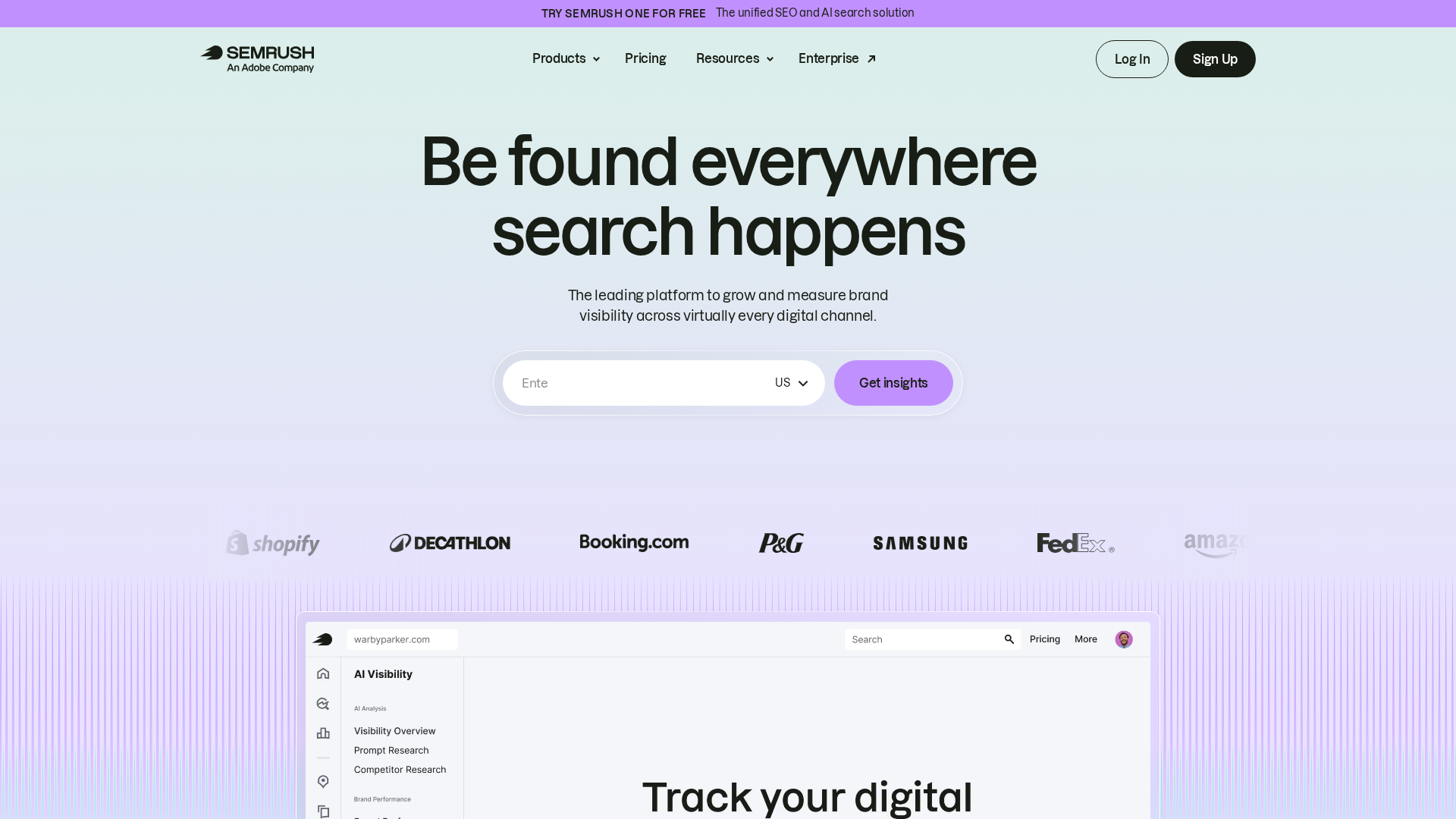
Semrush is a strong pick for teams that want keyword discovery, intent data, and planning in one stack. Its Keyword Magic Tool and Keyword Strategy Builder make it useful for both SEO and PPC workflows.
Highlights
- Keyword discovery with deep filtering
- Search intent, CPC, and grouping tools
- Strong for SEO plus PPC planning
Specs
- Best for: All-in-one keyword planning and SEO operations
- Core keyword data: Volume, difficulty, CPC, intent
- Intent and SERP insight: Strong
- Workflow fit: SEO plus PPC planning
Pros
- Great for structured keyword workflows
- Helpful intent and CPC data
Cons
- Interface can feel busy
- Some teams may want a simpler tool
It ranks here because it covers more of the keyword workflow than most tools.
Last updated: June 20, 2026
Also Read: SnowSEO Review: A Fresh Take on Rank Tracking and Keyword Research
3. Google Keyword Planner
Google Keyword Planner is a free, solid starting point for demand checks. Google says it helps you discover new keywords and view monthly searches, plus see forecasts shaped by bids, budget, and seasonality.
Highlights
- Free keyword discovery inside Google Ads
- Search volume estimates and forecasts
- Bid context for commercial terms
Specs
- Best for: Free demand validation and seed keyword research
- Core keyword data: Search estimates and forecasts
- Workflow fit: Early-stage research and PPC support
Pros
- Free and trusted
- Good first pass for broad demand
Cons
- Thin SEO depth
- Limited organic insight
It ranks here because it is easy to access, but premium SEO tools go deeper.
Last updated: June 20, 2026
Also Read: Keyword Research in 2026: Trends, Methods, and Wins
4. Keywords Everywhere
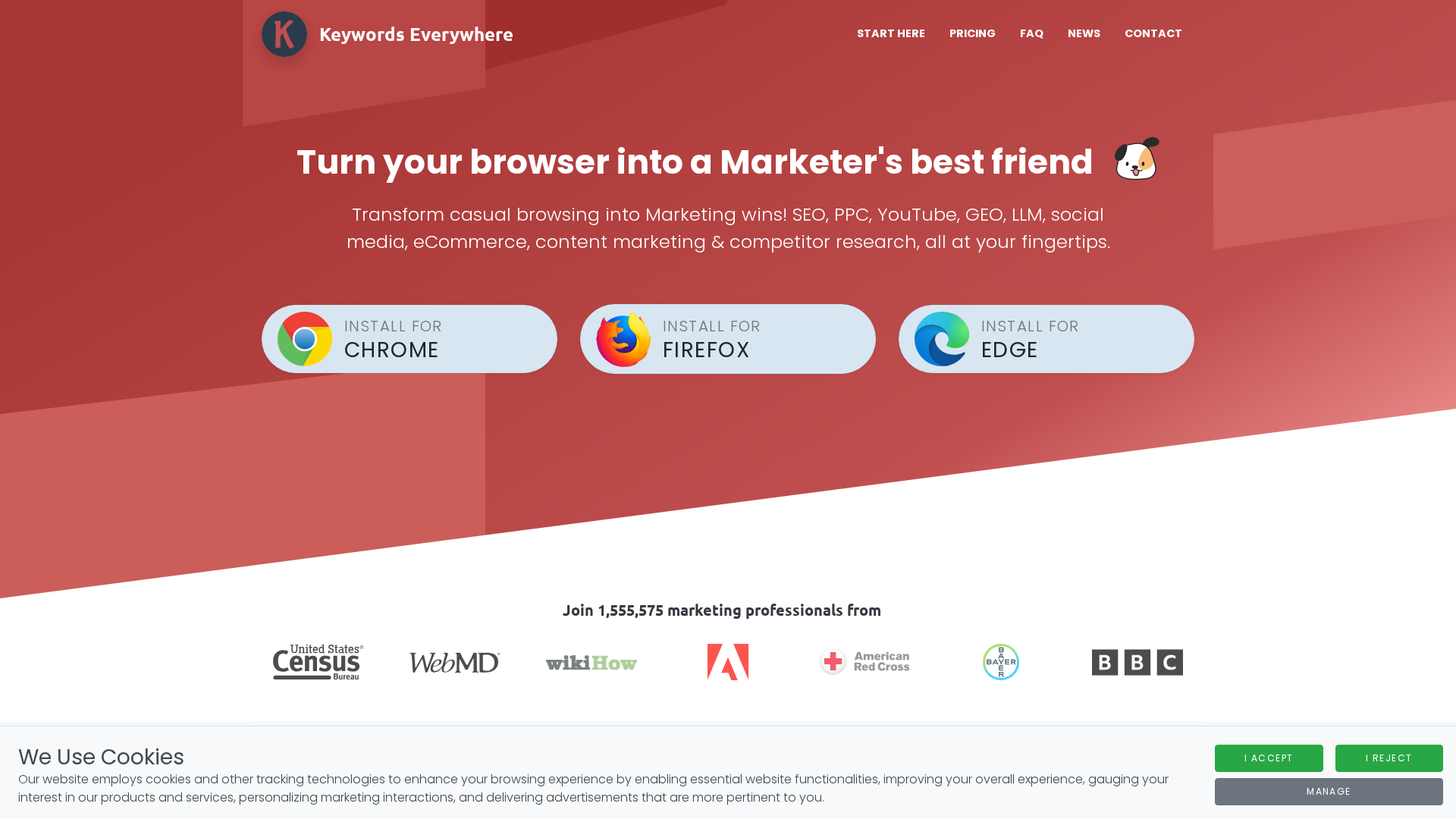
Keywords Everywhere is a lightweight browser extension for fast keyword checks as you search. It shows in-context metrics across Google, YouTube, Amazon, and more, with volume, CPC, and competition data plus related and long-tail ideas without opening a full SEO suite.
Highlights
- Browser-based keyword metrics in the SERP
- Great for quick validation, ideation, and competitor checks
Specs
- Best for: Fast in-browser keyword research
- Core keyword data: Volume, CPC, competition, related terms
- Intent and SERP insight: Moderate
- Workflow fit: Quick validation and idea generation
Pros
- Very convenient for daily research
Cons
- Not as deep as enterprise tools
It ranks fourth because it saves time every day, even if full platforms go deeper.
Last updated: June 20, 2026
Honourable Mentions
A few other tools deserve a spot if your work leans into wider SEO ops or AI search tracking, not just keyword mining.
- SnowSEO – Keyword research inside a broader SEO and AI visibility stack.
- Promptwatch – Prompt tracking and AI search signals for keyword direction.
- Profound – Enterprise answer-engine visibility with topic demand insight.
- Writesonic – Turns research into publish-ready content.
- LLM Pulse – Adds prompt demand and citation context.
How to choose the right keyword research tool
Pick based on workflow, not hype.
- Choose Ahrefs or Semrush if you need deep competitor research, SERP analysis, and topic planning at scale.
- Start with Google Keyword Planner if you want a free way to check demand before paying for a bigger stack.
- Use Keywords Everywhere for quick keyword checks inside live search results.
Check intent, difficulty, and clicks, not just volume. High-volume terms can bring little traffic in AI-heavy SERPs.
- If AI search matters, add SnowSEO, Promptwatch, Profound, Writesonic, or LLM Pulse.
- Large teams need reporting and scale. Small teams need speed and clear priorities.
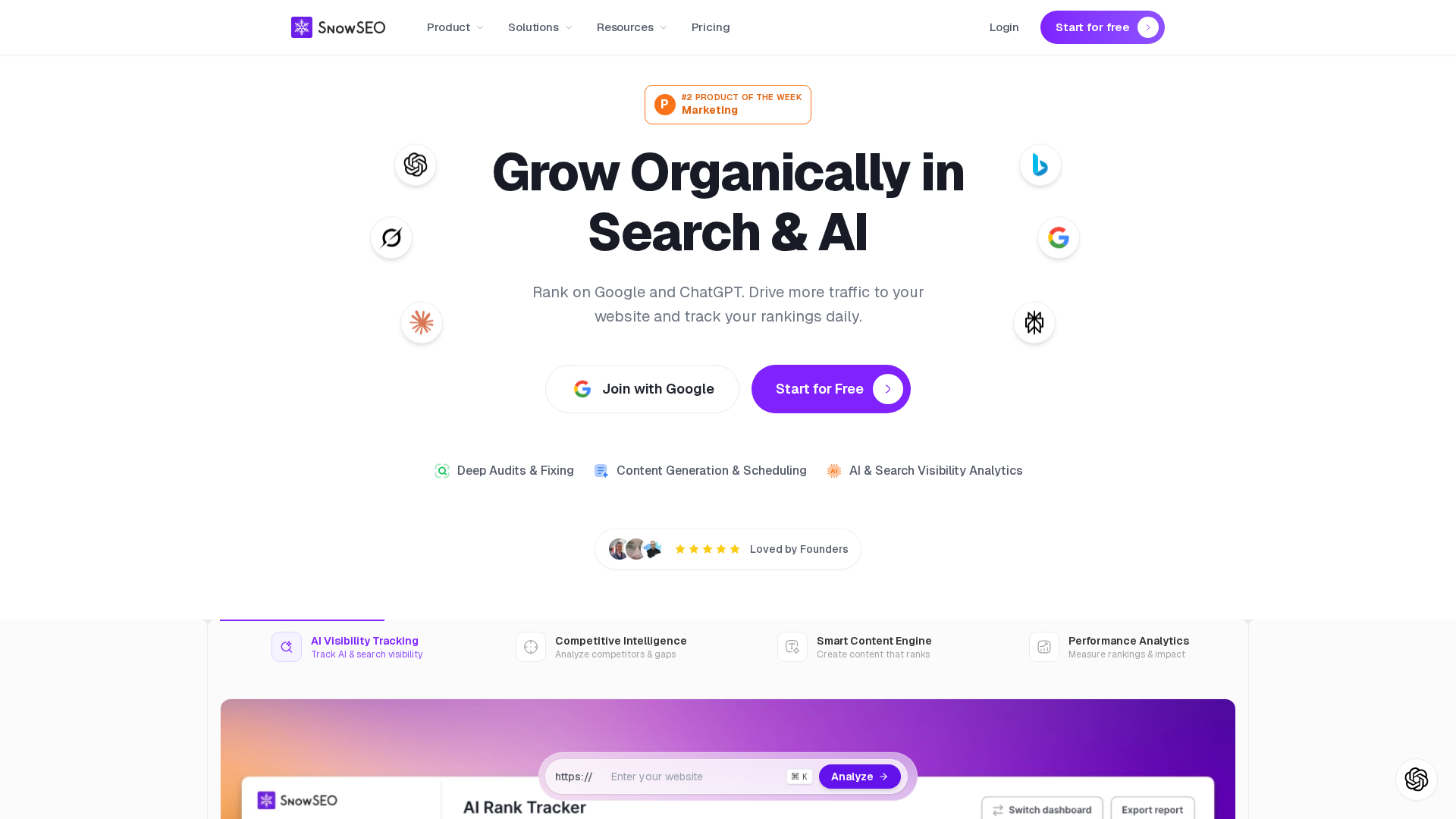
Want fewer tools and faster wins? Try SnowSEO to handle keyword research, audits, AI content, tracking, and competitor gaps in one place. Start there and turn research into traffic faster.
Frequently Asked Questions
Q1: What are the most effective keyword research tools for driving organic traffic in 2026?
Use a mix: Semrush and Ahrefs for core data, Google Search Console for real queries, browser extensions for fast SERP checks, and AI-search tools like SnowSEO to spot prompts and answer patterns that drive clicks.
Q2: How do AI-powered keyword tools like Semrush and Ahrefs improve search intent matching in 2026?
They group terms by intent, SERP type, and topic links. That helps you map one keyword to the right page type, spot mixed intent early, and avoid writing blog posts for terms that need product or category pages.
Q3: Which keyword difficulty metrics best predict ranking success in 2026’s competitive SERPs?
No single score wins. Check difficulty, referring domains to top pages, brand strength, SERP features, and content gaps together. Low-authority sites should chase weaker clusters and long-tail terms, not head terms with strong domain overlap.
Leave a Reply