
Quick Summary: Rank tracking alone misses the bigger fight: who’s winning in AI answers and local searches. Start by mapping rivals based on shared high-value keywords, AI mentions, and city-specific visibility, then audit their content depth, links, and technical health to spot exploitable gaps. Use tools like SnowSEO to turn these findings into a ranked action plan-prioritizing fixes where competitors have clear edges, like original research or faster page speeds. The goal isn’t to copy rivals but to outbuild them with better answers, especially in AI-driven searches where first-hand proof and local context matter most.
A rival can outrank your SaaS page for “best GST invoicing software for small businesses,” while a marketplace or community site gets named in the AI answer. One buyer search now has two battles.
Basic rank tracking misses that split. Strong SEO competitive analysis shows who wins Google, who earns AI mentions, and why. It also reveals gaps by city, language, device, and search intent across India.
This guide turns competitor SEO analysis into a working system. You will map real rivals, spot demand gaps, assess AI search visibility, and score opportunities before your team spends time creating pages.
Use SEO intelligence tools to track changes, not just collect reports. The aim is clear: build an SEO competitive analysis process that helps you act faster, test smarter, and protect high-value demand.
Step 1: Define the Competitor Set You Actually Need to Monitor
Build a Search-Led Competitor Map
Your business rivals are not always your search rivals. Start SEO competitive analysis with 15 to 30 priority queries, split by intent, Indian city, and device. Use Search Console to see the queries already bringing impressions and clicks. Google says its reports show queries, impressions, clicks, and average position in Search. Use Search Console data as your baseline.
List domains that appear often, then record the exact ranking URL. Include publishers, marketplaces, local listings, and AI-cited sources, not just firms selling the same service.
Track the results your buyer sees, not the brands your sales team remembers.
Prioritize Competitors by Threat and Relevance
Score each domain before adding it to your watchlist.
| Signal | What to check | Priority |
|---|---|---|
| Keyword overlap | Shared high-value queries | High |
| SERP presence | Top 10 appearances | High |
| India fit | Same city, language, or audience | Medium |
| AI visibility | Mentions in answer engines | Medium |
- Monitor 3 to 5 direct search threats weekly.
- Review 5 to 10 emerging domains monthly.
- Remove one-off results after two review cycles.
A lean list keeps SEO competitive analysis useful and stops reports becoming noise.
Also Read: Competitive SEO Intelligence: build a tracking playbook
Step 2: Establish a Baseline Across Keywords, Content, Links, and Technical SEO
Measure Visibility and Keyword Coverage
Build one baseline sheet for your site and each close rival. Split keywords by India, state, city, device, and search intent. Track rank, URL, SERP feature, estimated traffic, and whether an AI answer mentions a brand.
| Area | Record | Why it matters |
|---|---|---|
| Keywords | Ranking, intent, location | Finds gaps and weak wins |
| Content | URL, topic, freshness | Shows page-level overlap |
| AI visibility | Mentions and cited pages | Reveals GEO opportunities |
Use a fixed keyword set each month. Separate branded terms from non-branded terms, or brand demand will hide real growth.

Check mobile results first. Search results can vary by location, language, and device, as Google explains.
Audit the Pages and Authority Behind Rankings
For every competing top-ranking page, log its content type, depth, internal links, referring domains, and update date. Then compare it with your matching page.
- Flag pages with strong links but thin content.
- Flag useful pages with weak links or poor internal paths.
- Check index status, canonicals, redirects, sitemap coverage, and mobile speed.
- Prioritize gaps that you can fix faster than competitors.
Google advises that crawlable links help it find pages, while sitemaps support discovery and crawl priority in its technical SEO guidance.
| Signal | Baseline question | Action |
|---|---|---|
| Links | Which pages earn relevant links? | Build linkable supporting assets |
| Technical | Can Google crawl and index key URLs? | Fix blocks and duplicate signals |
| Experience | Are priority pages slow or unstable? | Address LCP, INP, and CLS |
Step 3: Identify Competitors Gaining AI Search Visibility
Track Prompts, Mentions, and Citations
Build a prompt set around buyer questions, comparison searches, and local needs in India. Run each prompt in ChatGPT, Claude, Grok, and Google AI Overviews. Log which brands appear, how often, and whether the answer links to them.
| Signal | What to record | Why it matters |
|---|---|---|
| Brand mention | Competitor named in the answer | Shows share of AI voice |
| Citation | Linked page and domain | Reveals trusted sources |
| Prompt coverage | Prompts where they appear | Finds topic-level wins |
Google says AI features surface supporting links and may use related searches to form answers, so one prompt can expose several content gaps. See Google’s AI features guidance.

Track results by city, language, device, and prompt type. A national competitor may not own high-intent searches in Dehradun or Hindi.
Find the Content and Sources Creating the Gap
Open every cited competitor page. Tag its format, proof, update date, and source links. Then compare it with your closest page.
Look for patterns:
- First-hand examples, data, or expert views.
- Clear sections that answer follow-up questions.
- Strong internal links to related pages.
- Citations from respected third-party sites.
Google advises brands to publish helpful, original content rather than recycled summaries in AI search. Read its generative AI search guide.
Use SnowSEO to group missing prompts by business value, then fix pages with the clearest citation gap first.
Step 4: Diagnose the Signals That Predict Ranking Improvements
Use Six Signals as Evidence, Not Guarantees
Track six clues: ranking movement, search intent match, content depth, quality links, crawl health, and AI mentions. Compare them by keyword group and Indian location.
Google weighs many signals, so no single metric predicts a win. Its systems assess relevance, usability, source expertise, location, and more, as explained in Google’s ranking overview.
| Signal | What it may show |
|---|---|
| Rising impressions | Google is testing relevance |
| Better click-through rate | Your result matches the search |
| New relevant links | Growing topic trust |
| Faster indexing | Fewer crawl barriers |
| AI answer mentions | Clear, useful source material |
| Competitor content gaps | A page worth building |
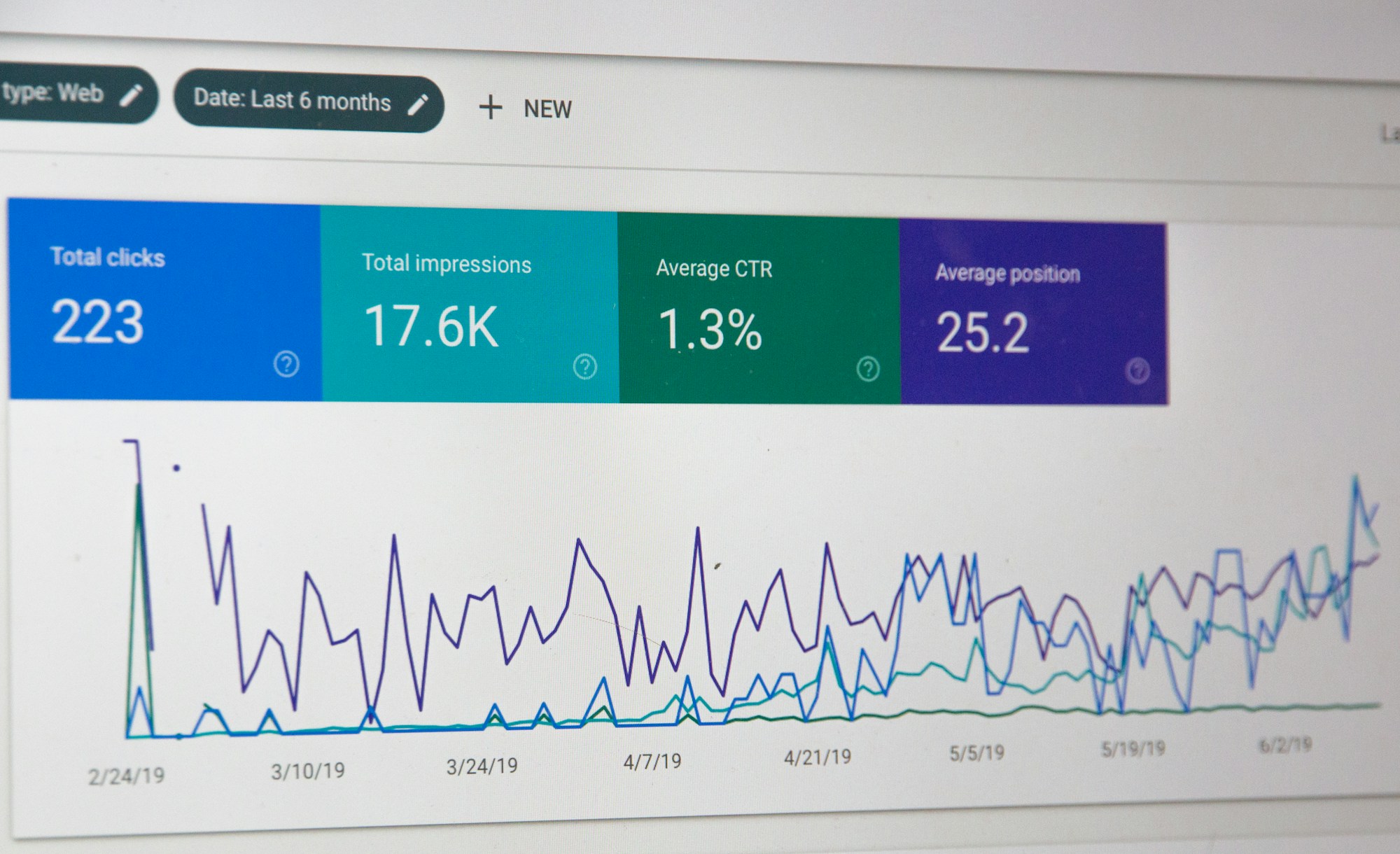
Treat signals as a pattern. A higher rank after one change may be coincidence.
Translate Each Signal into a Strategic Response
Turn evidence into a short action list:
- High impressions, low clicks: rewrite the title and description.
- Ranks 8-20: add missing subtopics, examples, and internal links.
- Weak intent match: change the page format from guide to comparison, list, or product page.
- Competitor links grow: create original research or useful assets worth citing.
- Crawl errors: fix index blocks, redirects, and slow templates.
- Few AI mentions: add direct answers, proof, and clear source details.
Google advises people-first content with original insight, not pages made mainly to chase rankings. Review against its helpful content guidance.
Also Read: SnowSEO Review 2026: Can It Replace Ahrefs and SEMrush for SEO Intelligence?
Step 5: Turn Competitive Gaps into a Ranked Action Plan
Score Opportunities with a Transparent Formula
Score every gap before assigning work. Use a 1-5 score for traffic potential, business value, ranking feasibility, and AI visibility potential. Then subtract effort.
| Factor | What to assess |
|---|---|
| Traffic potential | Demand and current competitor visibility |
| Business value | Lead, sale, or pipeline impact |
| Feasibility | Your authority, assets, and time to compete |
| Effort | Content, technical, and outreach work needed |
Use: (traffic + value + feasibility + AI potential) – effort.
Prioritize gaps where you can add real experience, proof, or local insight. Google asks creators to provide original value, not recycled summaries, in its people-first content guidance.
Create Briefs That Teams Can Execute
Turn each high-score gap into a one-page brief. Include:
- Target query and search intent.
- Competitor weaknesses to beat.
- Required proof, examples, and expert input.
- Internal links, CTA, owner, and due date.
Add a clear success metric, such as page-one rankings, qualified leads, or AI mentions. SnowSEO can keep these tasks tied to daily visibility changes.
Do not chase every missing keyword. Build pages that answer the full need better than the current result.
Step 6: Operationalize SEO Intelligence with Tools, Dashboards, and Reviews
Choose the Right Tool Stack
Use one dashboard that joins site health, keyword movement, competitor gaps, and AI answer mentions. SnowSEO can bring these views together, while Search Console remains the source for Google clicks and impressions.
| Need | Track |
|---|---|
| Search demand | Clicks, impressions, CTR |
| Competitor moves | New pages, rank gains, content gaps |
| AI visibility | Brand mentions and cited pages |
Google lets you segment performance by query, page, country, and device in its Performance report.
Keep the stack lean. Data spread across five tools rarely leads to faster action.
Set the Monitoring Cadence and Scorecard
Review alerts daily, priority changes weekly, and strategy monthly.
- Flag sudden rank losses, new competitor pages, and technical errors.
- Assign one owner and a due date to each high-value opportunity.
- Compare results against the prior period, not a single day.
| Review | Core question |
|---|---|
| Weekly | What can we fix or publish now? |
| Monthly | Which topic clusters create qualified traffic? |
Track clicks and impressions alongside rankings. Google advises teams to focus on these trends, not position alone, in its performance guidance.
Turn competitor data into clear SEO and AI search actions. SnowSEO tracks rivals, finds gaps, and helps your team publish and measure growth from one dashboard.
Frequently Asked Questions
Q1: How do I identify competitors who are gaining AI search visibility?
Track which brands appear in ChatGPT, Claude, and Google AI answers for your key prompts. Note citation frequency, brand mentions, linked pages, and changes each week. Rising mentions across several prompts signal momentum.
Q2: What are the top 6 signals that predict SEO ranking improvements?
Watch for:
- More pages indexed
- Better click-through rates
- Fresh content updates
- New quality backlinks
- Faster page speed
- Growing topical coverage
Q3: How can I prioritize competitors for SEO monitoring?
Rank competitors by keyword overlap, traffic potential, AI-answer mentions, backlink gap, and conversion relevance. Monitor direct rivals weekly. Review larger publishers and fast-rising niche sites monthly.
Q4: How often should I update competitive SEO research?
Run a light review every week and a deeper review each month. Check rankings, new pages, links, AI visibility, and content gaps. Rebuild priorities every quarter.
Conclusion
A strong competitive SEO intelligence strategy turns competitor data into clear decisions. Track search demand, ranking gaps, content quality, technical issues, backlinks, and AI answer visibility. Then segment findings by Indian market, city, language, and buyer intent.
Use a simple priority score so the team works on opportunities with real business value first. Review competitors often, but do not copy them blindly. Build pages that add proof, local context, and useful answers.
Google recommends helpful, people-first content over pages made mainly to chase rankings, as explained in its content guidance.
Consistency matters more than one-off audits.