
Quick Summary: Google’s I/O 2026 rollout put Gemini 3.5 Flash into AI Mode for every user worldwide and added an AI-driven search box that accepts voice, image, and camera input. On top of that, three core updates in five months (including a May 21 to June 2 rollout that pushed 79.5% of top-3 URLs to new positions) have made classic rankings volatile and AI citations decisive. Winning visibility now depends on being cited inside AI answers, which favors pages that solve complete tasks with clear entities and structured claims. For teams adjusting to this shift, SnowSEO tracks citation share across Google AI Mode, ChatGPT, and Claude alongside traditional rank data so both views sit in one dashboard.
At I/O 2026 on May 19, Google put Gemini 3.5 Flash into AI Mode for every user worldwide, alongside a redesigned search box that autocompletes with AI. These Google AI search updates landed on top of three core updates in five months. For SEO teams, the Google AI search updates mean the rankings you watched yesterday are already stale, because AI Overviews now sit above the fold and queries in AI Mode have passed one billion monthly users. This cluster post breaks down each change, its ranking impact, and how to measure citations, not just blue-link positions.
What Google Just Shipped in AI Mode
The core news from I/O 2026 is simple: AI Mode now runs on a new model, and the search box itself has changed.

From Gemini 2.5 to Gemini 3.5 Flash as the Default
Google confirmed on its official Search blog that Gemini 3.5 Flash is now the default model powering AI Mode for every user, worldwide. That matters because Gemini 3.5 Flash is built for agent-style work: it chains steps, calls tools, and handles longer reasoning at Flash speed. For SEOs, the practical shift is that AI Mode answers will lean more on multi-step synthesis and less on single-pass summaries. Pages that answer complete tasks, not just single queries, should fare better. Google’s announcement is the source to bookmark.
The AI-Powered Search Box and Multimodal Input
The second change sits in front of the model. Google redesigned the Search box so it autocompletes with AI suggestions and can hand a query straight to an agent. Voice, image, and camera input are now first-class paths into AI Mode, so a user can point a phone at a product and get a synthesized answer. Search Engine Journal’s coverage notes these agents start rolling out this summer.
How the Recent Core Updates Are Reshuffling Rankings
Three core updates have hit within months: February’s Discover-focused update, March’s, and the May rollout that ran from May 21 to June 2. The Search Status Dashboard logs each one, so you can match your traffic dips to exact rollout windows instead of guessing.
March was the roughest. SE Ranking’s measurements showed 79.5% of top-3 URLs shifting position, the highest on record.

Why Blue Links Still Move During the AI Rollout
Classic rankings are not frozen while AI Mode expands. Core updates recalibrate how Google weighs quality signals across all results, including the ten blue links that still feed AI Overviews and AI Mode citations. Lose your organic position and you often lose the AI citation with it, so tracking both together matters more than ever.
internal link: how to track rankings across Google and AI platforms
What This Means for Your AI Visibility Right Now
Track Citations, Not Just Blue-Link Positions
With AI Mode answering queries directly, position 1 no longer guarantees visibility. Your brand now shows up when Google’s AI cites you, and citations follow different rules than rankings: clear entities, structured answers, and well-sourced claims. Track how often your pages appear inside AI answers, not only where they sit on page one. SnowSEO’s AI visibility tracking reports citation share across Google AI Mode, ChatGPT, and Claude alongside classic rank data, so you can see both views side by side.
Watch the Core-Update Calendar Closely
Three core updates have landed within months, and the May rollout (May 21 to June 2) drove record volatility, with 79.5% of top-3 URLs shifting position. Check the Search Status Dashboard before you diagnose a drop, and log update dates against your visibility reports. Otherwise you may “fix” something Google itself moved.
The Road From Here to AI-First Search
The direction is clear: Google now frames Search itself as AI, with agents handling follow-up questions end to end. Blue links will keep fading, so watch AI Mode’s official guidance, track how often AI answers cite you, and adjust content for queries machines resolve, not pages people scroll.
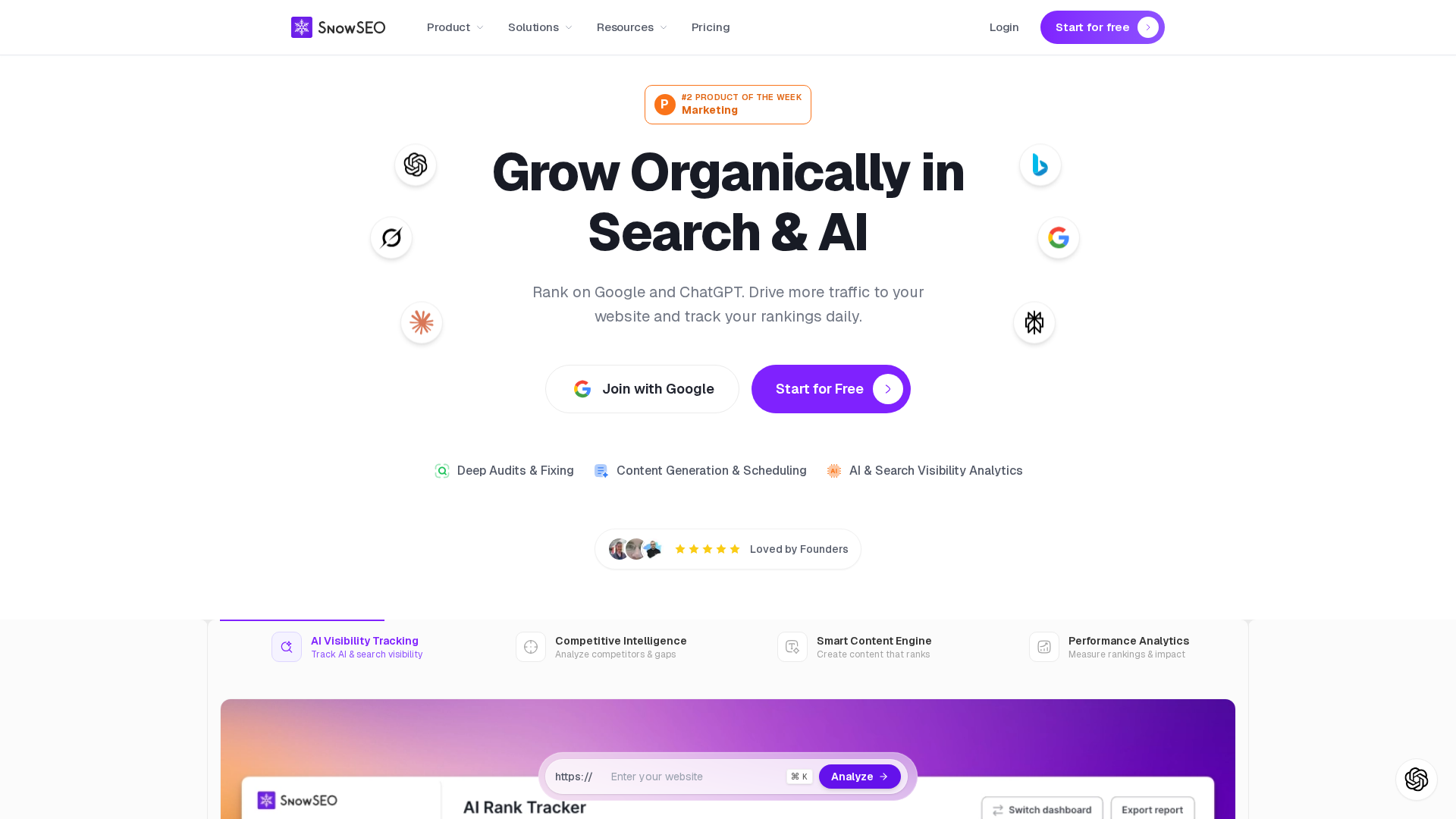
Tracking rankings after AI Mode means watching more than position 1. SnowSEO shows where you appear across Google’s AI answers, so start your visibility audit today.
Frequently Asked Questions
Q1: How are the most recent Google search engine changes affecting organic rankings?
AI Overviews sit above the fold, and the May core update shifted 79.5% of top-3 URLs.
Q2: Does position 1 still matter?
Yes, but less. AI citations now drive visibility alongside rankings.
Q3: Where can I verify update timing?
Google’s Search Status Dashboard logs exact rollout dates.
Conclusion
Google’s 2026 updates made AI citations as decisive as blue-link positions. Track both, match dips to core update dates on the dashboard, and keep auditing your AI visibility.
Leave a Reply