
AI content is everywhere in 2026, but only brands with a real strategy are ranking, getting cited, and converting. Most teams use tools like ChatGPT and Claude to push out more content, yet they still fight the same issues: weak originality, shaky facts, uneven tone, and flat performance in both search results and AI answers. This guide gives you a clear, practical AI content plan for 2026 – what to plan, how to create, how to review, and how to optimize for SEO and GEO without killing quality. It is built for SEO and content teams that need a scalable workflow that still respects E-E-A-T and real editorial standards.
Quick Summary: The article argues that AI content generation in 2026 only works when it’s run as a system, not as ad hoc prompting, with planning, briefs, editing, publishing, and refreshes all connected into a repeatable workflow. It emphasizes three pillars of success: building topical authority around clear intent, using strong prompt/brand guardrails, and relying on human editors to verify facts, add original insight, and preserve voice. For optimization, it recommends writing in snippet-friendly formats for both SEO and GEO, tracking performance across search and AI assistants, and using a concise quality-control checklist to scale output without sacrificing E-E-A-T or editorial standards.
What AI content generation means in 2026
AI content generation in 2026 means systems, not single tools. You are no longer “using an AI writer.” You are running a content engine that plugs into search, AI assistants, and your data stack.
1. The shift from automation to content systems
Teams used to fire prompts into ChatGPT and hope for a good draft. That phase is over.
Now you:
- Plan topics from keyword and intent data
- Push briefs into AI
- Route drafts through human editors
- Ship, track, and auto-refresh content based on performance
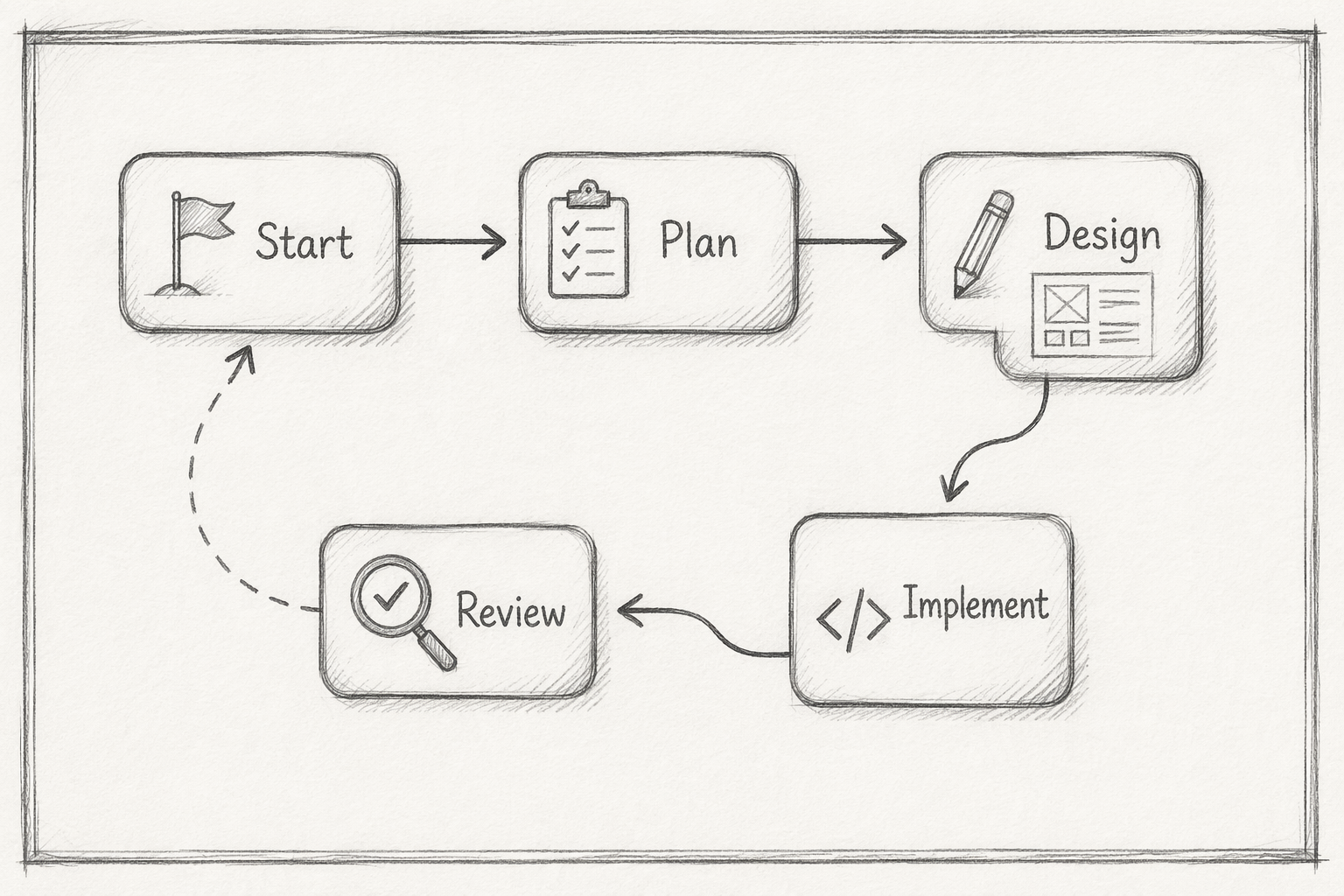
Platforms like SnowSEO sit on top of this, turning it into one loop instead of a mess of tools. AI is the worker. The system is the boss.
2. Where AI fits in marketing and SEO
AI now lives in every stage:
- Research: topic discovery, SERP and AI overview analysis
- Creation: first drafts, variants, translations
- Optimization: on page SEO, internal links, schema
- Measurement: content scoring, cannibalization checks, rewrite suggestions
Your job shifts from “write more” to “design and run the machine.”
Core pillars of a winning AI content strategy
A strong AI content strategy rests on three simple pillars: clear topics, tight prompts, and human judgment. Skip any one and your outputs slide into generic noise.
1. Start with topical authority and intent mapping
Pick your lanes. List the themes where you actually deserve to rank. Then map search and AI intent for each: informational, comparison, transactional, post purchase. Tools like SnowSEO or Surfer SEO help you cluster keywords, questions, and AI style prompts into neat topic groups so every piece has a clear job.

Think of this as your content universe. If a new idea does not fit a cluster or serve a clear intent, park it.
2. Build prompts, briefs, and brand guardrails
AI only sounds smart when your inputs are sharp. Standardize:
- Prompt templates by content type
- Brief formats with audience, angle, CTAs
- Voice rules, banned phrases, claim standards
SnowSEO can bake these into reusable brief workflows so every draft starts aligned.
3. Use human editing as the quality layer
You need humans to:
- Check facts and sources
- Add real examples and opinions
- Cut fluff and tighten flow
Treat AI as the rough cut. Treat editors as the final filter that turns decent output into content you are proud to ship.
Also Read: 7 Proven Strategies for Effective AI Content Generation
How to optimize AI content for SEO and GEO
Treat every AI draft as a rough cut, not a final product. Your job is to turn it into something search engines and AI assistants both trust.
1. Write for snippets, summaries, and AI answers
Start each section with a direct 1 to 2 sentence answer. Think “mini-summary” that could sit in a featured snippet or AI overview.
Then:
- Use question-based H2s and H3s.
- Add 40 to 60 word definitions under each heading.
- Rely on short paragraphs, bullets, and tables.
- Include specific stats and clear examples.
SnowSEO helps here by structuring briefs and outlines so content naturally fits how Google, ChatGPT, and Gemini extract answers.
Rule of thumb: if a human can scan it in 5 seconds, an AI can quote it.
2. Track performance across search and AI platforms
Do not guess. Measure:
- Organic rankings and clicks.
- Featured snippet wins.
- Mentions in AI Overviews and chat assistants.
Use one source of truth like SnowSEO instead of ten dashboards. When you see drops in snippets, GEO citations, or CTR, update structure, refresh data, and tighten summaries first.
Also Read: Top 7 AI Content Generation Tools for 2026
Best practices for quality control and scaling
Quality control at scale is about systems, not hero editors. You want a process that still works when you triple volume.
1. Use a repeatable review checklist
Create one checklist for all long form content. Keep it short and brutal:
- Accuracy and sources verified
- Intent match in the first 3 paragraphs
- Brand voice and reading level
- On page SEO and internal links
- Fact date checks and compliance flags
Turn that list into a simple form or SnowSEO field set so every writer and editor runs the same checks before publish.
2. Choose the right workflow for your team
Copy the four stage model: writer self check, AI review, human edit, final sign off. SnowSEO can handle the AI review and scoring so editors focus only on strategy and nuance, not typos.
Use this framework to audit your AI content process, then plug it into SnowSEO for tighter prompts, briefs, and review standards.

Frequently Asked Questions
Q1: How often should I update my AI content strategy in 2026?
Review it every quarter. Search trends, AI models, and user intent shift fast. Use your SEO and GEO data to see what works, then adjust prompts, formats, and priority topics.
Q2: Who should own AI content inside my team?
Give one owner clear control – usually the content lead or SEO manager. They set standards, choose tools, define prompts, and approve workflows so AI output stays on-brand and aligned with search goals.
Conclusion
AI content in 2026 is a strategy, not a shortcut. The teams that win treat models like ChatGPT and SnowSEO as production engines, then layer on human judgment, evidence, and voice. Research on search quality and E‑E‑A‑T from sources like developers.google.com and wikipedia.org all point the same way:
- Key Takeaways:
- AI content generation in 2026 works best as a strategy, not a shortcut.
- Topical authority, human editing, and fact checking are essential for trust and rankings.
- SEO and GEO should be planned together to maximize visibility across search and AI answers.
- A repeatable workflow makes it possible to scale content without sacrificing quality.
Leave a Reply