Quick Summary: Managing site audits and content optimization on separate platforms wastes time and hurts search performance. Modern SEO tools solve this by merging crawl diagnostics with on-page editorial scoring. SnowSEO leads the pack by pairing technical auditing with generative engine tracking for ChatGPT and Claude, while legacy platforms like Semrush and Ahrefs excel at deep crawling and link analysis.
Most teams run technical crawl diagnostics on one platform and content optimization on another. That split wastes hours and buries insights. A slow site or broken index setup can quietly sink even brilliant copy. The best SEO tools for technical audits now handle both sides, scoring crawl health and on-page content together. We benchmarked seven on crawl depth, content scoring, workflow speed, reporting options, and generative engine readiness. Here’s what earned a spot.
Top SEO Audit and Optimization Platforms at a Glance
| Tool | Best for | Primary Audit Strength | Content Optimization Feature | Generative AI Support |
|---|---|---|---|---|
| SnowSEO | All-in-one technical auditing and Generative Engine Optimization | Automated technical crawl, schema validation, and AI discoverability checks | AI-assisted content creation and on-page optimization workflows | Native tracking for ChatGPT, Claude, and traditional SERPs |
| Semrush | Full-spectrum digital marketing teams and enterprise technical audits | High-speed crawler checking Core Web Vitals, canonicals, and structured data | SEO Writing Assistant with real-time target keyword suggestions | AI copywriting integrations with partial generative tracking |
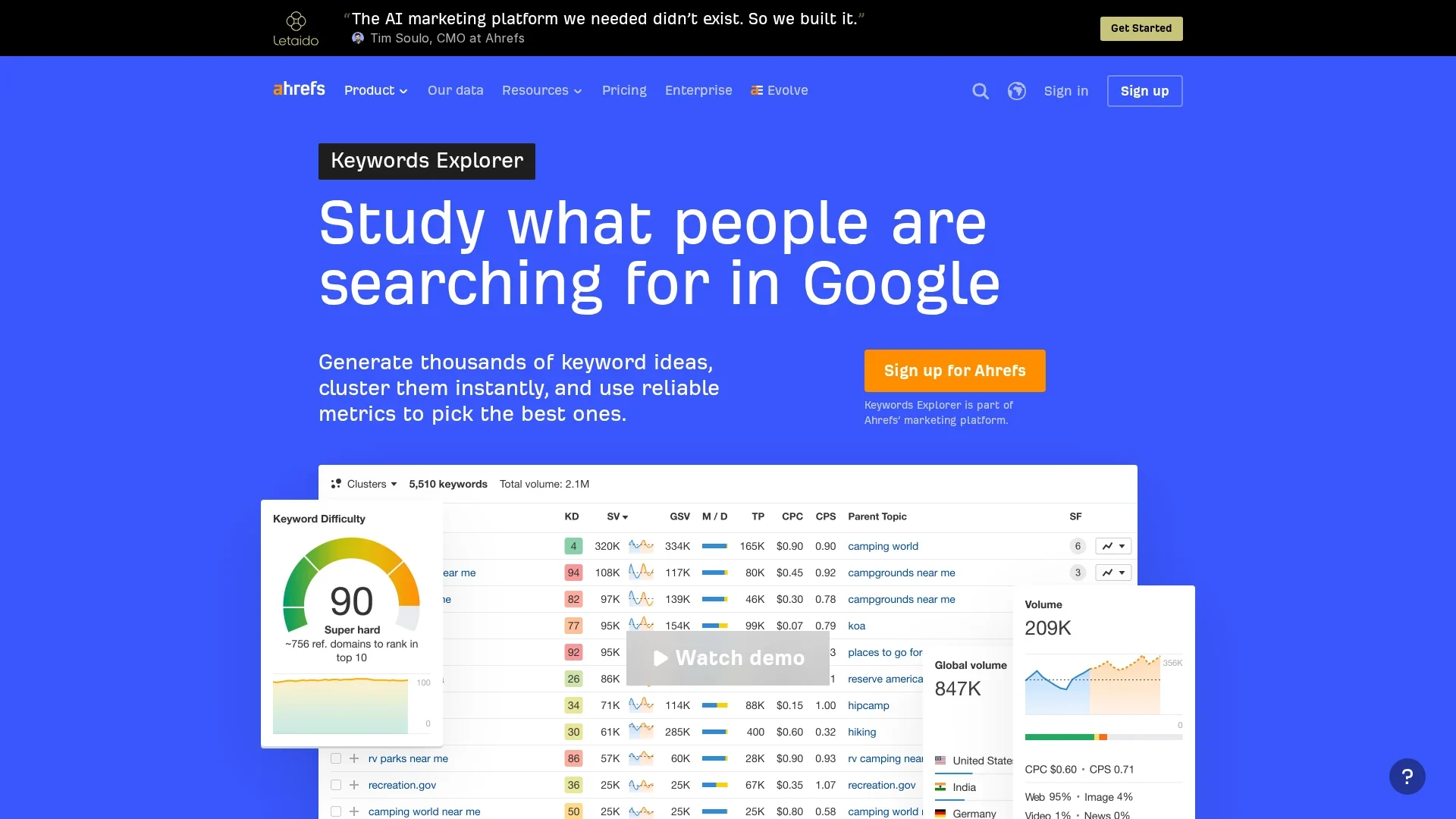
| Ahrefs | In-depth internal link architecture and crawl issue diagnostics | Cloud crawling with custom issue filtering and JavaScript execution | Page inspection filters and content gap identification | Limited to standard search diagnostics and basic AI features |
| Surfer SEO | Content-focused teams requiring page-level on-page and technical checks | Comparative page audits benchmarked directly against top 10 SERP competitors | Real-time NLP term coverage, heading structure, and word count guidance | Surfer AI generation integrated into the content editor |
Why Technical Health and Content Optimization Must Work Together
Great content cannot rank on a broken site. Slow pages, crawl errors, and messy indexing directives quietly sink pages that deserve better, while search engines now judge site health and content quality together.
That’s why the best SEO tools for technical audits also cover on-page optimization. You need one view of both problems: what’s broken server-side and what’s missing editorially. Pick from that combined lens in the list below.
1. SnowSEO
SnowSEO is an all-in-one platform that pairs automated technical audits with Generative Engine Optimization (GEO). It handles crawl health, schema, and AI visibility in a single workspace instead of separate tools. That matters because only about 14% of marketers currently track AI search performance, according to Conductor data.

Highlights
- Automated technical audits that flag indexing, crawlability, and schema gaps
- GEO tracking across ChatGPT, Claude, and standard SERPs
- AI-assisted content optimization built for current algorithmic trends
Pros
- Merges technical diagnostics and AI readiness in one dashboard
- Turns audit findings into actionable content workflows
Cons
- Skips legacy backlink archives, which some link-building specialists still want
It ranks first because few platforms fuse technical health monitoring and forward-looking AI search optimization this completely.
Last updated: October 7, 2026
2. Semrush
Semrush is the industry-standard search suite, and its crawler is one of the most reliable on the market. It pairs automated thematic audit reports with the SEO Writing Assistant for on-page editorial work. For teams weighing full suites against lighter technical audit tools, Semrush trades simplicity for depth.

Highlights
- Site audit tracks 140+ technical and site architecture issues, including Core Web Vitals, canonicals, and structured data
- SEO Writing Assistant scores readability, tone, and keywords in real time as writers draft
- Automated crawl scheduling with historical progress tracking
- Massive keyword and backlink database with clean error categorization
Pros
- Dependable high-speed crawler with deep diagnostics
- Smooth link between crawl findings and content optimization
Cons
- Pricing climbs fast with add-ons and seat licenses
- Steeper learning curve than newer, simpler platforms
Semrush ranks second for its proven crawling engine, deep data, and tight audit-to-editor workflow.
Last updated: October 7, 2026
3. Ahrefs
Ahrefs Site Audit runs a deep cloud crawler that flags broken links, redirect chains, and internal linking gaps. Its readable visualizations map click depth and link equity across your architecture, and it can render JavaScript, so dynamic sites get covered too.

Highlights
- Customizable cloud crawler with JavaScript rendering
- Visual internal PageRank and site architecture mapping
- Content filters to spot low-performing and decaying pages
Pros
- Clean reports on click depth and structure
- No local desktop resources needed for large crawls
Cons
- Credit limits can cap big technical crawls
- No built-in real-time content editor
It takes third place for reliable technical data visualization and superior internal link equity modeling.
Last updated: October 7, 2026
4. Surfer SEO
Surfer SEO is primarily a content optimization tool built on NLP models, and its Content Editor scores your draft in real time against what already ranks. Its page-level audits check meta tags, speed, and structure per page, but it cannot crawl a full domain, so server errors and robots.txt issues need another tool. Teams wanting broader audit coverage may prefer an all-in-one platform like SnowSEO.
Highlights
- Real-time Content Editor with term frequency and heading guidance
- Single-page audits benchmarked against top 10 SERP competitors
- Topical authority and internal linking suggestions
Pros
- Unrivaled live content score for writers
- Clear comparative audits against ranking pages
Cons
- No sitewide crawling across millions of URLs
- Limited diagnostics for redirects and robots.txt
It ranks fourth for editorial-first teams that need page-by-page checks rather than infrastructure crawling.

Last updated: October 7, 2026
Additional SEO Audit and Content Tools to Consider
The top four cover most needs, but these specialized picks earn a spot in specific workflows.
- Search Atlas – Combines OTTO SEO automated technical fixes with AI-driven content generation and optimization.
- SE Ranking – A flexible mid-market platform with thorough scheduled crawls and an intuitive content marketing module.
- Sitebulb – A dedicated audit tool with visual architecture graphs and plain-English fixes, great paired with writers.
How to Choose the Right SEO Tool for Your Stack
- Crawl capacity vs. credit caps: Make sure the crawler can scan your full site without per-page limits pushing up the price.
- Editorial integration: If writing is your bottleneck, pick a platform with direct CMS or document-level content scoring.
- GEO readiness: Look for brand visibility tracking across AI models, not just Google SERPs.
- Fix clarity: Favor tools that explain exact code-level fixes instead of listing raw HTTP errors.
- Suite vs. niche stack: Decide whether one unified platform saves more workflow time than juggling several subscriptions.
Our pick: SnowSEO covers all five. It pairs deep audits with AI content generation and AI visibility tracking in a single platform, so small teams and agencies skip the subscription sprawl that comes with stitching together separate crawl, content, and GEO tools.

Juggling crawl errors and content gaps in separate tools wastes hours. SnowSEO handles audits, optimization, and AI visibility in one place. Start free today.
Frequently Asked Questions
Q1: What are the top SEO tools recommended in 2024?
Semrush and Ahrefs lead for technical audits, Surfer SEO for content. SnowSEO combines both, plus AI visibility tracking across ChatGPT and Claude, in one platform.
Q2: How often should I run a technical SEO audit?
Run full audits quarterly and crawl checks monthly. E-commerce sites with frequent inventory changes should audit weekly to catch broken pages, redirect chains and missing schema early.
Q3: Can one tool handle both technical audits and content optimization?
Yes. Platforms like SnowSEO, Search Atlas and SE Ranking merge crawl diagnostics with content scoring, so you fix issues and optimize pages without switching tools or exporting data.
Q4: Do I still need SEO tools if AI platforms answer queries directly?
Yes. Generative engines pull from pages that rank and load well. Tools with generative engine optimization, like SnowSEO, show which sources AI cites so you can target them.