Quick Summary: AI search has flipped digital PR’s goal: brand mentions in AI answers now matter about three times more than backlinks, with a 0.664 correlation versus 0.218. Campaigns should target sources AI engines actually cite, build verifiable data assets with named entities and hard evidence, and track exposure, evidence, and business impact separately. Tools like SnowSEO can monitor brand mentions across ChatGPT, Perplexity, and AI Overviews, since a link report alone can hide sentiment dips or dropped mentions.
AI search visibility digital PR teams now track two outcomes: publisher links and brand mentions in AI answers. Semrush found branded web mentions correlate 0.664 with AI Overview visibility, while backlinks score just 0.218. So a campaign can win referring domains and still miss the answer layer. The fix: AI search visibility digital PR campaigns should pair editorial links with consistent, verifiable brand evidence. That is where AI search visibility digital PR is heading in 2026.
The Link Is No Longer the Whole PR Outcome
A placement used to count as a win if it earned a link. In AI search, the link is only part of the outcome. Engines quote what coverage says, not just where it points. When AI summarizes an article, brands often vanish. Connective3 found 43% of brand mentions get dropped during AI summarization, even when the link is live.
Three Signals Campaigns Should Track Separately
| Signal | What It Measures | Why It Matters |
|---|---|---|
| Brand mentions | How often your brand appears in AI answers | Correlates about 3x stronger with AI visibility than backlinks, per Ahrefs data |
| Citations | How often AI cites your domain as a source | Shows authority, not just presence |
| Sentiment | Whether AI frames your brand positively or negatively | The least stable signal – it flips far more often than mentions |
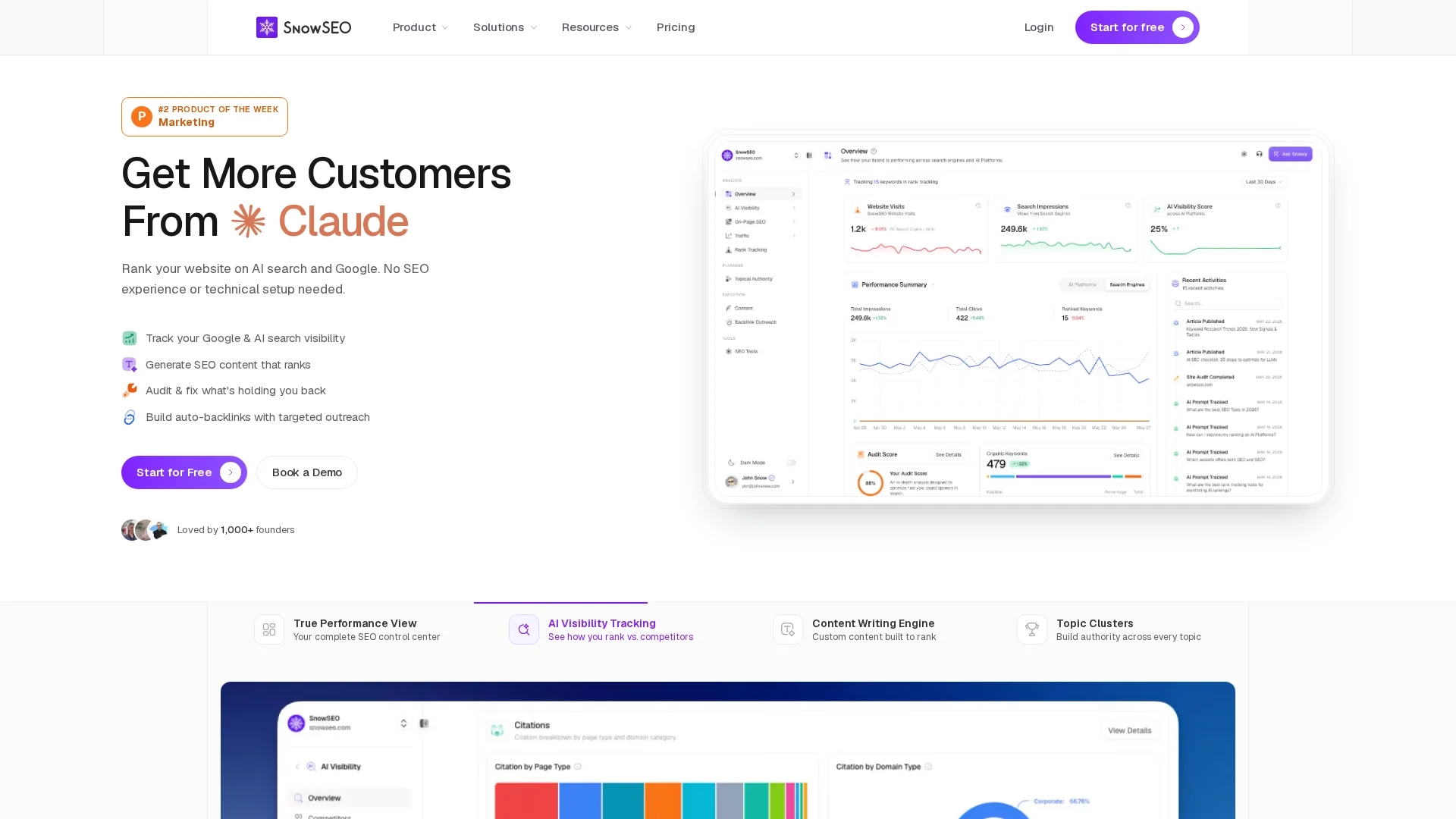
Track all three per engine. SnowSEO handles this in one place, so a link report never hides a sentiment dip.

Also Read: Digital PR vs Guest Posting for AI Search Authority
Digital PR Campaigns Must Target Retrieval-Worthy Sources
AI engines pick sources before they pick brands. So your outreach should start with one question: where do these engines actually look for answers?
Build a Source Map Before Building a Prospect List
Don’t chase raw domain authority anymore. Map the outlets that already show up in AI answers for your query set. Run 20-30 buyer questions through ChatGPT, Perplexity, and Gemini, then log every cited domain. Research across 8,000 citations shows each engine leans differently – ChatGPT favors encyclopedias and major news, while Perplexity pulls expert review sites and niche blogs. Engine-specific maps beat one-size outreach. Rank your findings like this:
- Tier 1: Wikipedia, top trade press, and comparison portals.
- Tier 2: niche blogs and review platforms.
- Tier 3: forums and Q&A sites.
Pitch Tier 1 first, and pitch data those sites can cite. Tools like SnowSEO can track which domains AI answers actually pull from, so you build the list on evidence.

Also Read: 10 Best Tools for Competitor SEO Analysis in 2024
The Campaign Brief Is Moving From Link Volume to Evidence
AI search rewards proof, not link counts. Brand mentions correlate with AI visibility at 0.664, three times stronger than backlinks at 0.218, per Ahrefs’ study of 75,000 brands. So modern briefs ask for verifiable claims a model can quote.
Create Assets Publishers Can Verify and Reuse
Build assets that answer one question clearly:
- Original data – surveys, benchmarks, or anonymized client numbers journalists can cite as the source.
- Named entities – state the brand, product, and category explicitly.
- Evidence next to claims – attach the number, time period, and scope directly to each statement, the pattern citation-readiness research calls “hard edges.”
- Standalone structure – every section should work if copied into an AI answer.
Vague claims like “trusted by teams” earn nothing. Specific, checkable facts earn both links and citations.
Also Read: 7 GEO Optimization Tools for Brand Visibility in AI Answers
How Teams Should Measure the New PR Scorecard
Stop grading campaigns by backlinks alone. In AI search, a link is just one of three signals that matter. Track all three layers in every campaign report:
- Exposure: How often does the campaign’s target prompt surface your brand in ChatGPT, Perplexity, or AI Overviews? Run 20-30 prompts, note mentions, and calculate your mention rate.
- Evidence: Is your campaign page cited as a source, or is a third-party site owning the story? Log the exact URLs AI platforms cite.
- Business impact: Watch branded search volume, direct traffic, and AI-referred sessions after each campaign ships.
| Layer | What It Answers | Metric |
|---|---|---|
| Exposure | Are we in the answer? | Mention rate |
| Evidence | Do they cite our page? | Citation rate |
| Impact | Did it move the business? | Branded searches, AI-referred traffic |
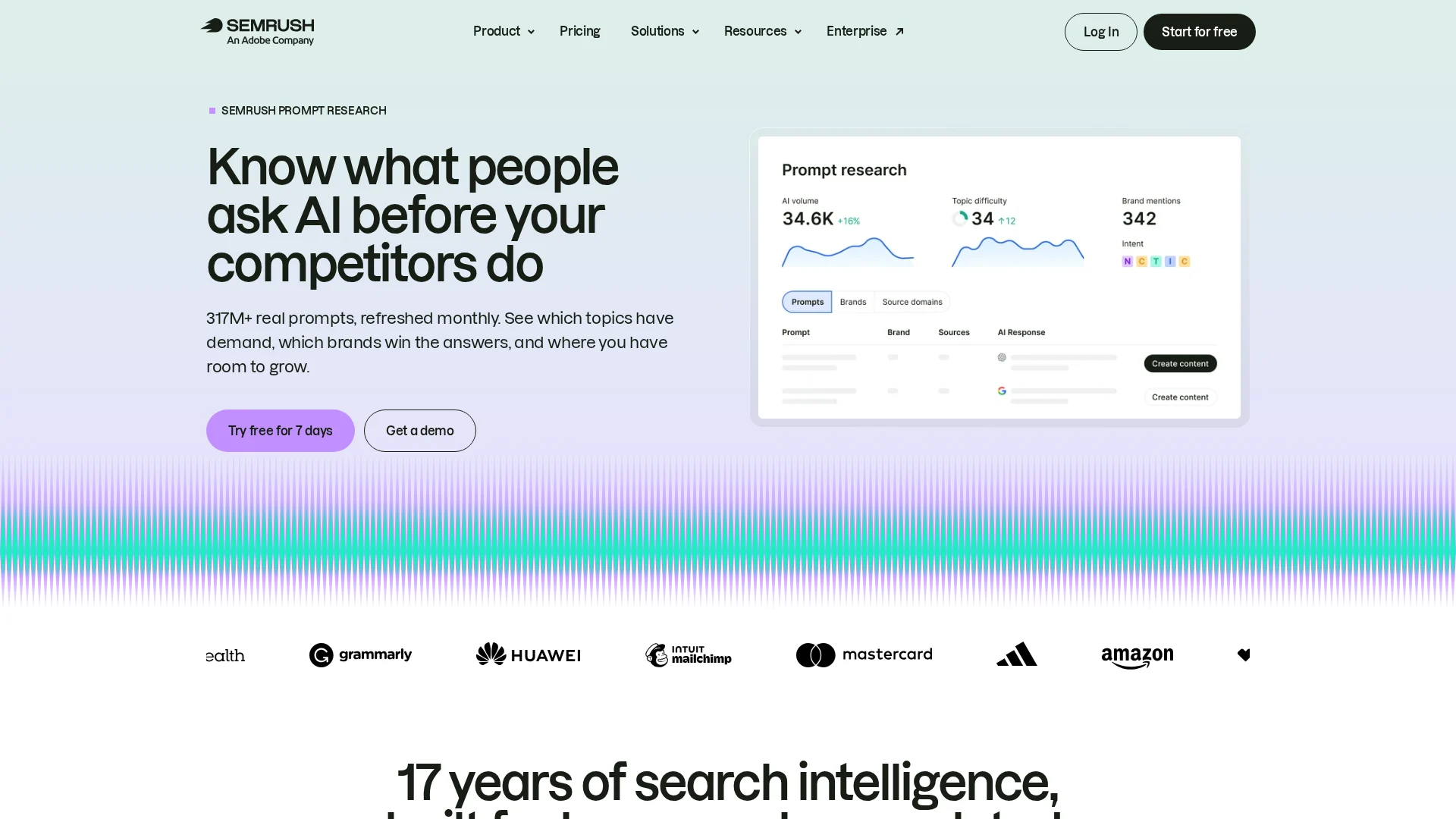
Semrush notes that AI answers often satisfy the query before a click happens, so traffic can stay flat while visibility grows Semrush. Translation for stakeholders: report “AI now recommends us in nearly half of category answers,” not raw prompt percentages. That’s how SnowSEO frames it too – exposure and evidence first, clicks second.
Want to know if ChatGPT and Claude mention your brand? SnowSEO tracks your AI search visibility and shows exactly how to improve it. Start your free audit today.
Frequently Asked Questions
Q1: How is the rise of AI search changing digital PR and link acquisition campaigns?
AI assistants cite sources, not just rankings. PR teams now chase mentions in publications AI models trust, so brand citations matter as much as links.
Q2: Do links still matter for AI visibility?
Yes. Links plus brand mentions in credible content help AI engines cite you.
Q3: How can I track visibility on ChatGPT or Claude?
Tools like SnowSEO monitor where your brand appears across AI platforms, so you can fix gaps early.
Conclusion
AI search has flipped the goal: brand mentions now matter more than raw links. With earned media driving the vast majority of AI citations, digital PR is the new link building. Track mentions per platform, and the citation gap widens for those who wait.