
Keyword research in 2026 is no longer just about finding search terms – it is about decoding intent, SERP behavior, and AI-driven visibility signals.
Many SEO teams still lean on static keyword lists and rank checks that miss how search now groups topics, rewrites queries, and surfaces AI answers ahead of blue links.
This guide breaks down the key trends and shows how to adapt with intent-first clustering, deeper SERP analysis, and new performance metrics built for AI Overviews and topic-based ranking.
Quick Summary: Keyword research in 2026 is shifting from static keyword lists and rank tracking to intent maps, topic clusters, and SERP-first analysis that account for AI Overviews and assistant-driven search. The article argues that SEO teams should group queries by entity and business intent, build one hub with supporting content, and prioritize high-value clusters rather than chasing individual high-volume terms. It also stresses that success metrics must expand beyond single-keyword rankings and raw traffic to include cluster visibility, AI citations, engagement, and conversions, while still keeping fundamentals like crawlability, internal linking, and useful content in place.
What changed in keyword research in 2026
1. From keyword lists to intent maps
Keyword research in 2026 is less about volume and more about patterns. You are not chasing 500 loosely related terms anymore.
You map how topics, entities, and intents connect across a journey. As serpnap.com notes, one strong page can rank for 200+ variations if it fully covers an entity.
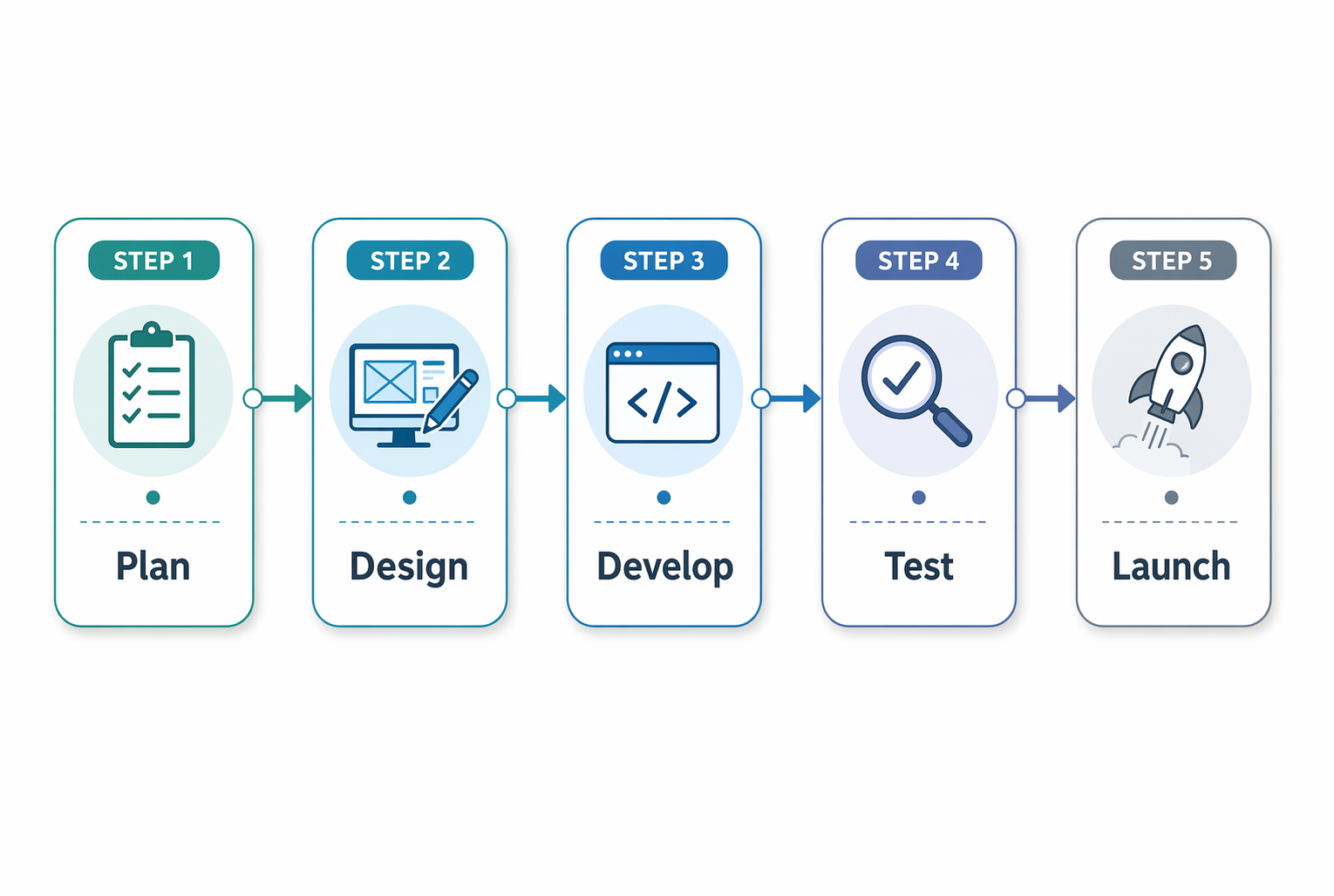
So your workflow shifts from:
- Export list
- Pick top volume
- Write 1 post per keyword
To:
- Cluster terms by problem and persona
- Plan one hub plus supporting content
- Measure outcomes at the cluster level
If your research does not show clear intent groups, you are still doing 2018 SEO.
2. Why AI Overviews changed the game
AI Overviews cut clicks hard. One study cited by rankenstein.pro shows organic CTR dropping about 61 percent when AI Overviews appear.
So the question is not only “What do people type?” but “Which questions trigger AI answers where I can be cited?” That is why keyword research now feeds:
- Generative Engine Optimization
- Prompt research for AI assistants
- Entity and brand positioning
You still care about search volume. But you care more about:
- How often AI rewrites that query into a broader question
- Whether your brand is a natural source to quote
Your keyword list is now your training set for AI, not just your content calendar.
3. The rise of topic clusters and semantic coverage
Google and AI systems read context, not just strings. They look for entities, relationships, and semantic coverage instead of raw repetitions.
Keyword stuffing is not only useless, it is a negative signal, as explained on serpnap.com. You win by showing depth around a topic: definitions, use cases, comparisons, and edge cases.
That is why topic clusters dominate 2026 workflows:
- One pillar targets the core entity
- Cluster pages handle specific intents
- Internal links show the knowledge graph of your site
SnowSEO leans into this by tying keyword data to clusters and GEO signals, so you are not guessing which topics AI engines already see you as an authority on.
In 2026, the best “keyword strategy” is really a semantic coverage strategy.
How to research keywords now
Keyword research in 2026 is less about lists and more about patterns. Think signals, not single phrases.
1. Start with SERP analysis, not volume
Open the SERP before you open a keyword tool. Ask: what is Google trying to solve here?
Scan:
- Mix of pages (guides, tools, product pages, forums)
- SERP features (AI Overviews, People Also Ask, videos, shopping)
- Who owns the top 5 spots and why
This tells you intent and content format. High volume is useless if the SERP is locked up by giants or informational-only pages that never convert. Current guidance on AI era SEO from serpnap.com backs this focus on clusters and intent over raw counts.

2. Use AI clustering to group related queries
Stop treating each keyword as a new page. Group them.
Use AI or clustering tools to:
- Combine close variants into one topic
- Map supporting questions around a core query
- Spot gaps competitors do not cover
Platforms like SnowSEO and Surfer SEO already cluster by intent pattern, so you see topics, not noise.
3. Prioritize by intent and business value
Score each cluster on:
- Intent: learn, compare, buy
- Match with your offer
- Revenue potential
Then build:
- Bottom funnel clusters first (money pages)
- Comparison and “best” clusters
- Broad educational hubs that feed internal links
This lines up with how prompt driven AI recommendations work in research from semrush.com: decision moments beat vague questions.
Also Read: AI SEO: 25 tactics to rank faster in 2026
How to measure keyword success in 2026
Keyword success in 2026 is not a rank report. It is how often you win across both search and AI.
1. Track cluster visibility instead of single-keyword rank
Stop obsessing over one keyword in position 3 vs 5. Track how a topic cluster performs across:
- Google SERPs
- AI Overviews
- AI engines like ChatGPT, Perplexity, and Gemini
AI search pulls passages, not pages. Success looks like repeated citations from the same cluster. Platforms like SnowSEO help by tracking both keyword rankings and AI mentions in one view, so you see cluster level impact, not random spikes. surferstack.com
2. Use engagement and conversion signals
Tie clusters to:
- Scroll depth and time on page
- Assisted conversions in GA4
- AI referred traffic from chat.openai.com or perplexity.ai
AI traffic often converts better, as noted in fieldnotes.growthmarshal.io, so treat those sessions as high value.
3. Know which old metrics to de-prioritize
Still reporting “organic sessions” and “average position” as your main KPIs? You are flying blind.
De-prioritize:
- Single keyword rank screenshots
- Raw organic traffic volume
- Vanity impressions with no intent
Prioritize:
- LLM citation rate for your key prompts
- Share of citations vs competitors
- Branded search lift after AI visibility spikes
Think less “Did I rank for this exact keyword?” and more “Did this cluster change how search and AI talk about us?”
Also Read: Best SEO Tools: 25 Picks to Improve Rankings in 2026
Practical takeaways for SEO and content teams
1. What to keep, what to change
Keep the basics: crawlability, internal links, useful content, and solid backlinks. Google’s own AI guidance says the same foundations still drive visibility in AI features too, not just blue links, as covered on previsible.io.
Change how you use keywords. Treat them as scaffolding, and let search intent and entities shape topics, as frameworks like rankenstein.pro suggest.
Shift goals from “rankings only” to “rankings + AI citations.” You write for Google, AI Overviews, and assistants like ChatGPT at the same time.
2. A 2026 keyword research checklist
Use this quick list when you plan new content:
- Map queries to intent, not just volume.
- Cluster related keywords around one entity-driven topic.
- Check AI Overviews and assistants to see which answers already show.
- Flag gaps where AI gives vague or weak responses.
- Prioritize queries where you can add original data, clear steps, or strong comparisons.
3. Where this strategy fits in your content plan
You plug this into planning, not just into one-off posts.
At quarterly planning, build topic clusters first, then assign content by intent stage:
- Awareness: broad, educational hubs.
- Consideration: comparison, “best X for Y,” and solution guides.
- Decision: product, pricing, integration, and implementation pages.
For each piece, set two success metrics:
- Classic SEO: impressions, clicks, conversions.
- AI presence: how often your brand or page appears in AI Overviews and assistant answers.
Platforms like SnowSEO make this easier by tying keyword clusters, content briefs, and performance tracking into one workflow so your team is not stitching five tools together.
Review one existing keyword cluster this week and update it for 2026 search behavior using SnowSEO to guide decisions.
Frequently Asked Questions
Q1: How often should I update keyword research in 2026?
Review core keywords quarterly and high impact pages monthly. Watch shifts in AI Overviews, SERP features, and conversion data. If impressions drop, intent changes, or new queries appear in Search Console, update clusters and on page content right away. Treat it as ongoing, not a project.
Q2: How do I align keyword research with AI Overviews?
Start from user tasks, not exact phrases. Map questions, comparisons, and step sequences people need. Group them into tight clusters and cover each cluster with one strong hub and several supports. Tools like SnowSEO can link intents, entities, and content gaps in one view.
Q3: What happens if I only chase search volume?
You get traffic that looks good in reports but does not convert. High volume terms in 2026 are often vague, branded, or informational. Focus on intent density inside a cluster, not only single volume numbers. Better to own a smaller, high intent universe than a noisy one.
Q4: Who benefits most from cluster based keyword research?
Agencies get cleaner reporting and repeatable playbooks. E commerce teams see clearer links between category clusters and revenue. Small businesses use clusters to avoid wasting time on random blogs. Anyone who needs focus, scale, and clear ROI from content wins with this approach.
Conclusion
Keyword research in 2026 is still essential, but it now centers on intent and topic coverage, not single phrases. AI Overviews and semantic search make SERP and feature analysis more important than raw volume alone, especially as ai-powered search expands. Cluster-based planning and measurement are replacing single-keyword thinking. Teams that blend AI speed with human judgment will outrun competitors clinging to outdated workflows.
Leave a Reply