
AI is no longer just helping you create SEO content. In 2026, it can help you decide what to publish, how to structure it, and how to earn visibility faster.
Most teams use AI for speed, not for search performance. They crank out more content but do not gain rankings, citations, or conversions.
This guide breaks down 25 AI SEO tactics for 2026 across content optimization, SERP-ready formatting, technical SEO, and AI visibility measurement. It is built for SEO teams and business owners who need practical, current tactics for Google, AI Overviews, and answer engines.
Quick Summary: The article argues that AI SEO in 2026 is no longer just about producing content faster, but about improving rankings, citations, and conversions by aligning with how Google, AI Overviews, and answer engines now surface trusted answers. It organizes 25 tactics into three main buckets: content and intent optimization (answer-first intros, topic clusters, FAQs, schema, refreshes), SERP and AI Overview tactics (direct answers, rich snippets, citation tracking, credibility signals), and technical/authority work (crawl health, internal linking, schema validation, trusted mentions). A key nuance is that AI-generated drafts alone can hurt trust and performance, so the article stresses fact-checking, structured formatting, and ongoing updates rather than one-time publishing. It also emphasizes measuring AI visibility, citation frequency, sentiment, and business outcomes alongside traditional rankings, with the fastest improvements typically showing in 2 to 4 weeks for fixes and 2 to 3 months for larger gains.
AI SEO in 2026: what actually moves rankings faster
1. What changed in search this year
Search now favors answers, not blue links. Google’s AI Overviews and AI assistants pull direct responses from a small set of trusted pages, so visibility shifted from just “rankings” to “being cited.” Research on answer engine behavior shows this click shift toward summaries, not classic SERPs, which matches what many teams feel in their traffic.
Google also tightened spam and quality rules. Yoast’s April 2026 recap highlights tougher core and spam updates plus new AI agent signals that crawl and interpret content differently, with a stronger focus on trust and structure.
AI intent modeling jumped ahead too. Engines read dwell time, follow up questions, and tone in real time, as recent Google intent modeling work shows. That means rankings can move minute by minute based on live behavior, not just old school keyword and link scores.
2. Which AI SEO tactics affect rankings fastest
If you want fast movement now, focus on:
- AI intent research: Use platforms like SnowSEO to find actual questions users ask in search and AI tools.
- Answer first content: Lead sections with a clear 40 to 80 word answer block that AI can quote.
- Structured data: Use FAQ and Article schema so AI agents can extract clean chunks.
- Cross engine optimization: Track both classic rankings and AI citations in one place so you react before drops stick.
Also Read: AI Content Generation: 25 prompts to write winning blogs
25 AI SEO tactics to implement first
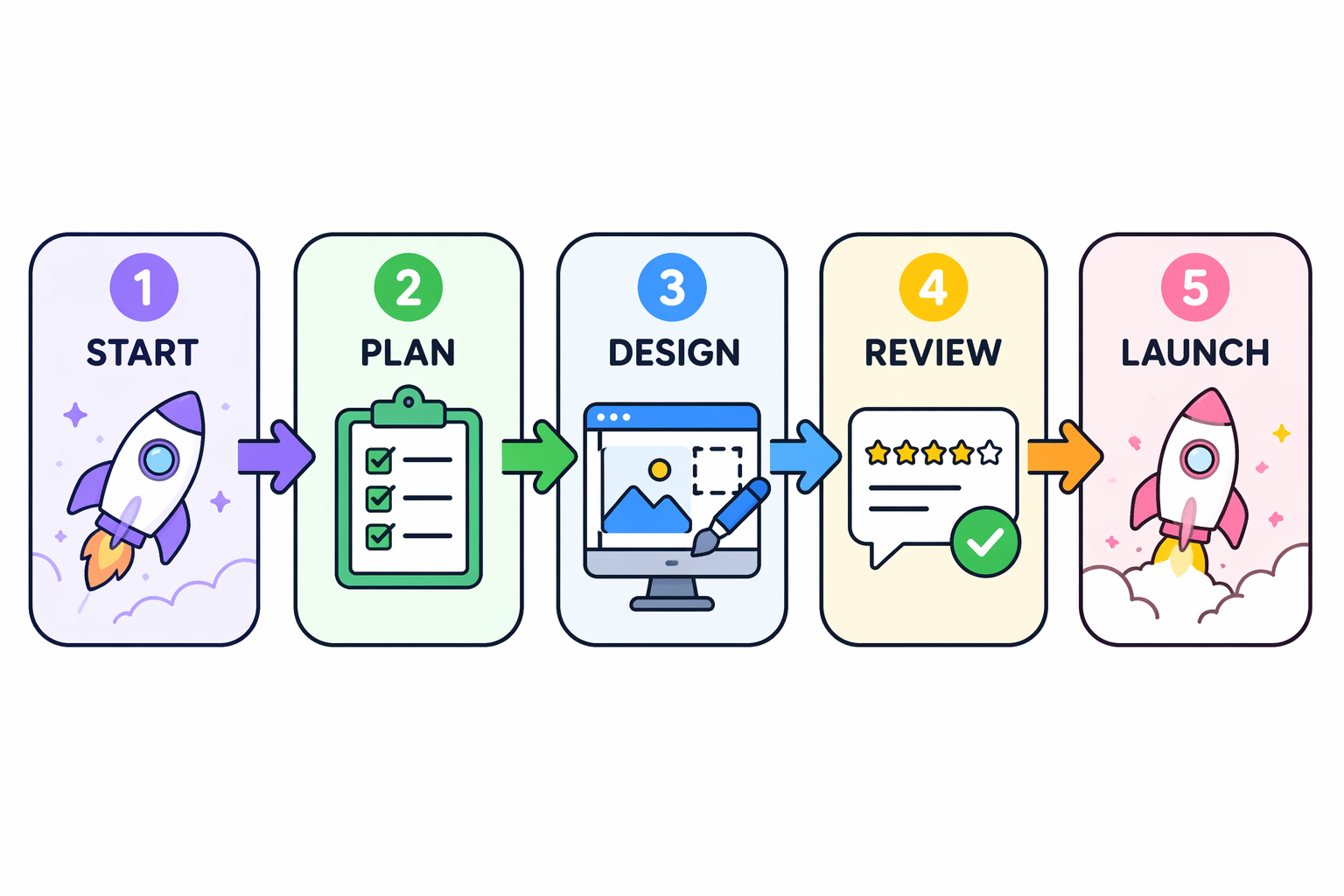
Start with what moves rankings and AI citations fastest. Use this list as your first 90‑day roadmap.
1. Content and intent tactics
These make your pages easier for AI and humans to understand.
- Map every keyword to a clear search intent.
- Rewrite key pages with answer‑first intros, like recommended in the AI SEO checklist on gagansheron.com.
- Build topic clusters around your core offers instead of random posts.
- Add FAQ sections to all major pages with tight Q&A pairs.
- Implement FAQ schema for those Q&As.
- Use AI to find missing subtopics and fill content gaps.
- Refresh at least your top 20 URLs with 2026 data, stats, and examples.
- Write in short paragraphs and simple language so AI can quote you cleanly.
- Add comparison tables, step lists, and pros/cons blocks to win snippets.
- Localize key content for your top markets instead of auto‑translate only.
2. SERP and AI Overview tactics
Here you chase rich features and AI Overviews.
- Target questions people actually ask in chat models, not just in Google.
- Format 40‑60 word direct answers under each H2.
- Add HowTo and Product schema where it fits.
- Use a rank tracker that also monitors AI Overview presence.
- Track how often you get cited in tools like ChatGPT and Perplexity, similar to the research approach on trakkr.ai.
- Add clear author bios and credibility signals on important pages.
- Design SERP‑feature ready templates for reviews, steps, and FAQs.
3. Technical and authority tactics
This stuff keeps the whole system stable.
- Fix crawl errors, broken links, and slow Core Web Vitals.
- Allow major AI crawlers unless your policy says otherwise.
- Validate all schema with a structured data tester.
- Clean up internal linking so key pages get most link equity.
- Build citations on trusted third‑party sites your audience reads.
- Strengthen profiles on platforms LLMs trust, like Wikipedia or major review sites.
- Monitor brand mentions in AI answers and correct wrong facts.
- Standardize all of this into a repeatable monthly AI SEO audit.
Also Read: Best SEO Tools: 25 Picks to Improve Rankings in 2026
How to measure AI SEO performance
You measure AI SEO performance by tracking both AI visibility and business impact. Rankings alone do not cut it now.
Start with AI specific metrics like AI visibility rate, AI citation rate, and AI brand mentions, which geo-kpis call core GEO KPIs. Then connect them to traffic, engagement, and conversions.
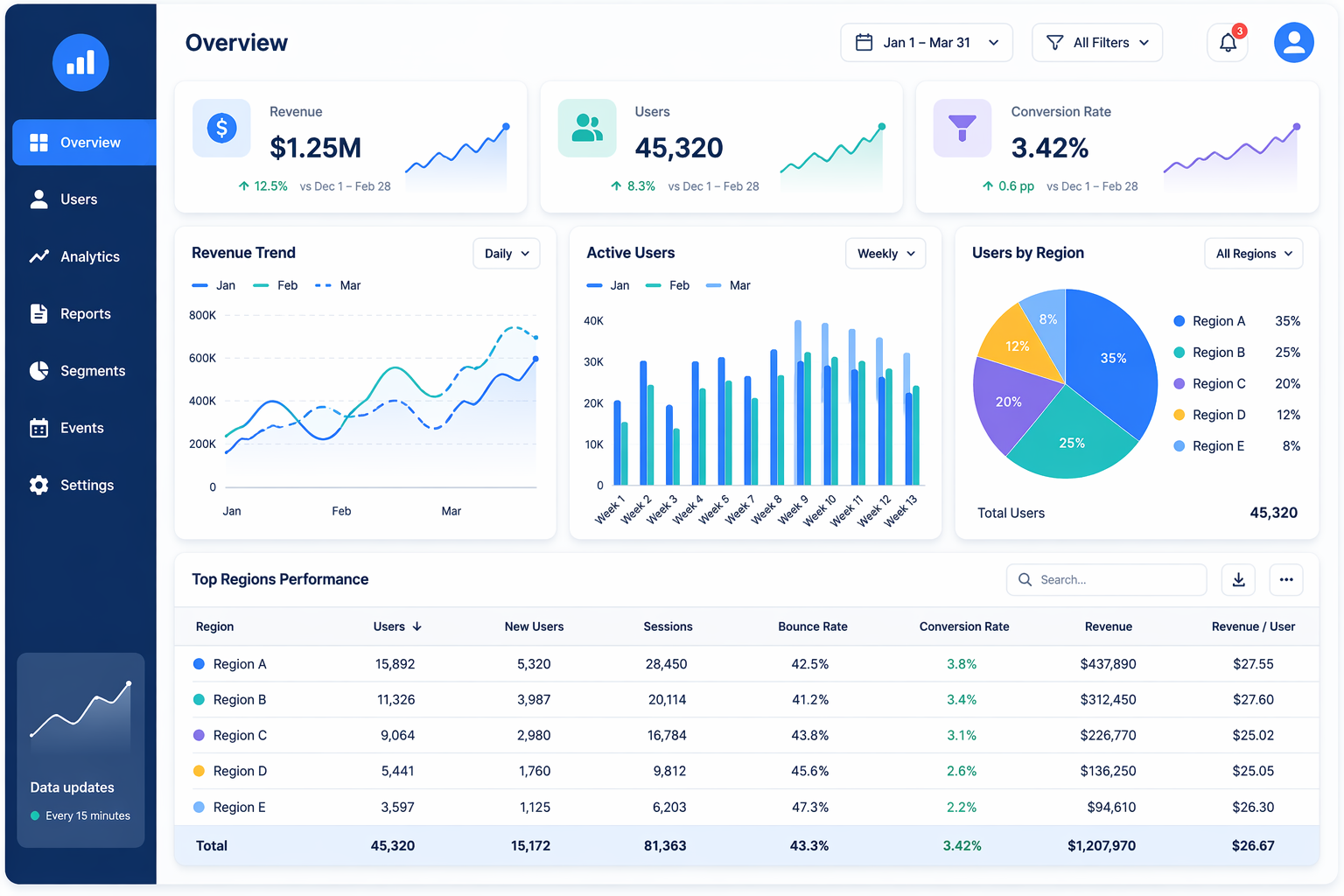
Use a platform like SnowSEO to see AI and search KPIs in one place instead of ten tabs.
Core KPIs to monitor
Track these every week:
- AI visibility rate and AI share of voice
- Citation frequency by URL and platform
- Brand mention sentiment
- AI driven traffic and conversions
- Branded search lift and assisted conversions
These show if AI engines see you, trust you, and send you real pipeline.
Quick-start AI SEO checklist for the next 30 days
Week 1 to 2 priorities
- Run an AI visibility audit in ChatGPT, Perplexity, Claude, and Google to see where you show or miss.
- Map 3 to 5 core topics and build 1 pillar outline for each.
- Use a tool like SnowSEO to pull keyword clusters, intent, and content gaps.
- Rewrite 3 key pages with clear headings, FAQs, and schema.
Audit one high-value page today and apply the top five AI SEO tactics from this guide using SnowSEO to track lifts and wins.
Frequently Asked Questions
Q1: How fast can AI SEO tactics show ranking results in 2026?
You usually see signals in 2 to 4 weeks if you fix technical issues and publish focused content. Bigger gains often land in 2 to 3 months, once Google and AI engines crawl, test, and trust your updates.
Q2: Do I need a platform like SnowSEO for AI SEO, or can I do it manually?
You can do AI SEO by hand with separate tools, but it is slow and messy. A platform like SnowSEO joins audits, keyword research, AI content, and rank tracking in one workflow, so you ship more tests, learn faster, and cut guesswork.
Q3: How often should I update content for AI Overviews and answer engines?
Review key pages every 60 to 90 days. Refresh stats, tighten answers, and add missing entities and FAQs. Watch drops in clicks or impressions as your signal to move faster. Treat core pages as living assets, not one time projects.
Q4: What is the biggest mistake teams make with AI generated SEO content?
Teams hit publish on unedited AI drafts. That kills trust, and rankings follow. Always fact check, add clear opinions, match search intent, and layer in real data or brand examples. AI should be the first draft, not the final product.
Conclusion
AI SEO in 2026 is about ranking impact, not just content speed. The fastest gains usually come from better intent matching, answer-first formatting, schema, and internal linking. Measurement matters because AI visibility should be tracked alongside organic rankings and conversions. A small number of prioritized tactics can outperform a broad but unfocused AI content workflow.
Leave a Reply