
If your team needs a rank tracking software decision, the real question is not which tool is louder in marketing – it is which platform gives you clearer SERP movement, cleaner reporting, and less manual work every week.
Most comparison pages blur content optimization and rank tracking together, so agencies and in-house teams cannot tell which is the better rank tracker for real monitoring and reporting.
This guide breaks down Searchable vs Surfer SEO on workflow, reporting depth, team usability, and fit, built for U.S.-based SEO teams that need a practical, commercial comparison.
Quick Summary: The article compares Searchable and Surfer SEO as rank-tracking platforms, but argues they serve different primary needs: Searchable is better for monitoring AI visibility in tools like ChatGPT, Perplexity, and AI Overviews, while Surfer SEO is stronger for traditional Google keyword rankings and on-page content optimization. It breaks the comparison into tracking depth, reporting, and workflow automation, noting that Surfer’s rank tracker is useful but still centered on content workflows, whereas Searchable offers simpler dashboards and clearer visibility trends for teams focused on AI mentions and classic SERP movement. A key nuance is that neither tool fully covers everything: Searchable is lighter on deep SEO execution, Surfer lacks true AI rank tracking, and teams wanting both search and AI visibility may need a broader platform like SnowSEO.
Searchable vs Surfer SEO for rank tracking: the real decision
You are not picking “the best tool.” You are picking the best fit for how you work.
1. What Searchable is better at for rank monitoring
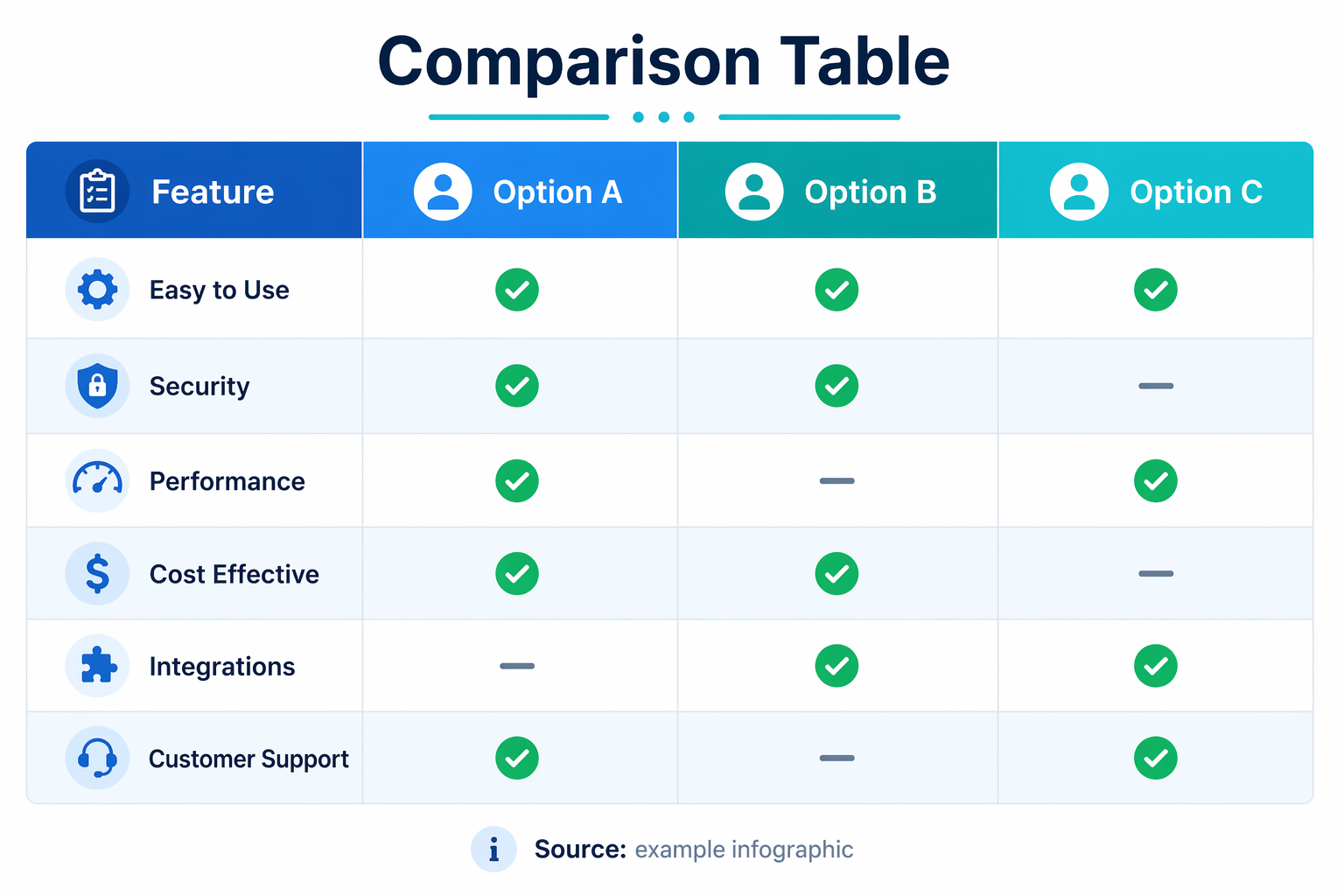
Use Searchable if you care about how you “rank” in AI answers, not just Google.
It tracks:
- Where your brand shows in ChatGPT, Perplexity, and AI Overviews
- Which prompts mention you vs competitors
- Basic trends over time in AI visibility
Think of it as AI rank tracking light. You see if AI tools talk about you at all, and if that is getting better or worse. It does not give deep crawler logs or traffic attribution like higher end GEO tools, but it is a cleaner view than juggling screenshots.
2. Where Surfer SEO still fits
Use Surfer SEO if classic SEO rankings are your main KPI.
Surfer shines when you:
- Need on-page optimization to move positions in Google
- Want content scores inside an editor for writers
- Care about “position 3 to 1” more than “does ChatGPT cite us”
Surfer does not do real AI rank tracking. Its core is still Google SERP optimization as many reviews note.
3. Quick verdict by team type
- Content and SEO teams focused on Google: Pick Surfer SEO.
- Teams testing AI visibility alongside SEO: Searchable is a better rank monitor.
- Teams who want both in one place: A platform like SnowSEO makes more sense than juggling tools.
Also Read: 10 Essential Tips for Accurate Rank Tracking Metrics
Feature-by-feature comparison for rank tracking workflows
1. Tracking depth and keyword coverage
Start with one question: how many things do you actually need to track?
For classic SEO, you care about:
- Keywords and URL positions
- Device and location
- Competitors on those terms
For AI visibility, you also care about:
- Prompts and brand mentions
- Citations and sources AI uses
Surfer SEO leans hard into keyword and on-page signals. It is great if your main job is content-led Google SEO and you only need light AI tracking on top.
SnowSEO goes wider. You can:
- Track keywords, URLs, and prompts in one place
- See how you show up on Google and AI engines in the same workflow
- Pull in competitor gaps, then send them straight into content creation
PromptWatch goes deepest on AI-only prompts and citations, but it skips classic rank tracking, so you will still need another tool for SERPs.
2. Reporting and client visibility
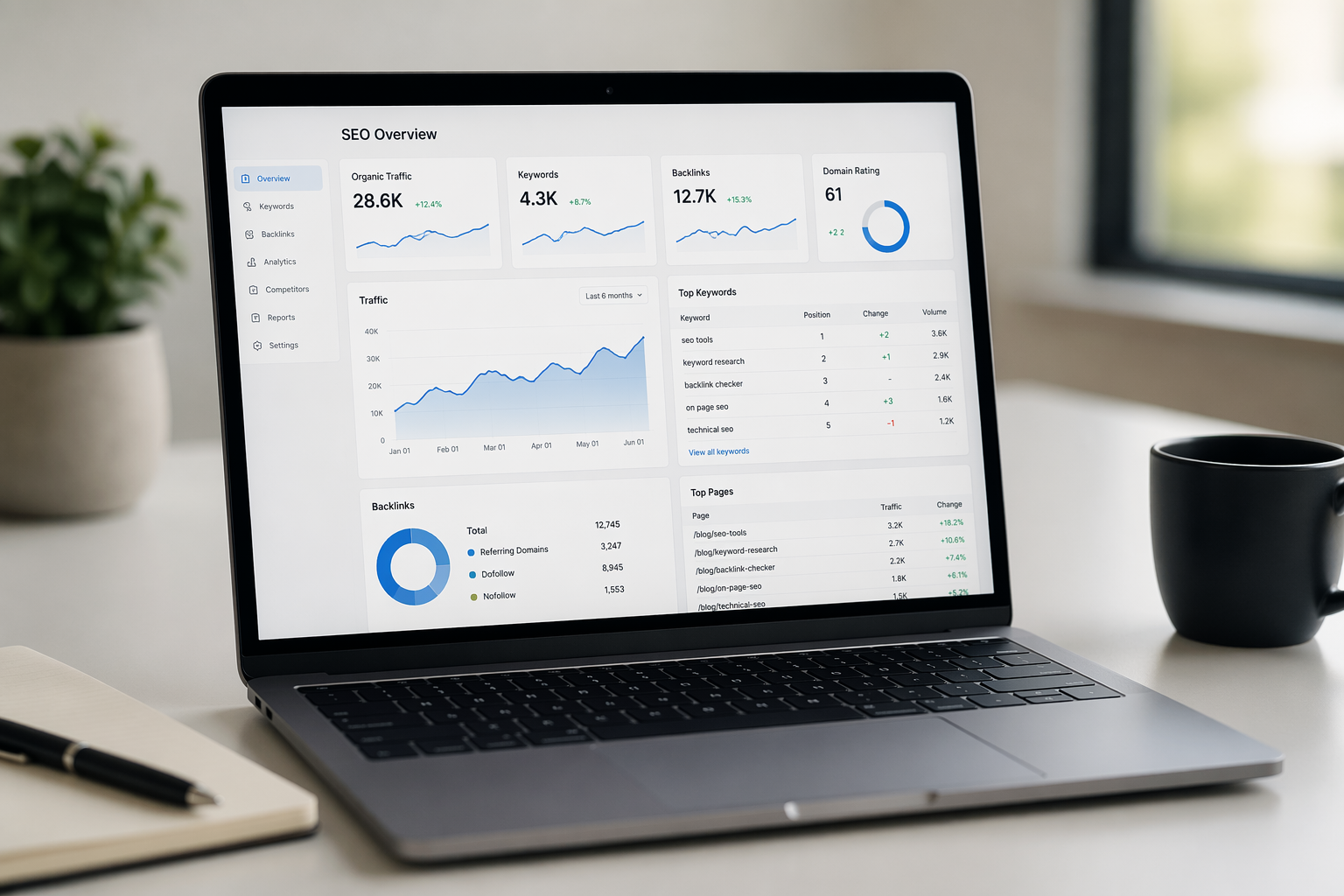
Agencies and in-house teams need reports that a non-SEO can read in 2 minutes.
Surfer SEO offers clean content reports but they tilt toward writers, not executives. PromptWatch focuses on AI visibility graphs and prompt analytics.
SnowSEO tries to sit in the middle:
- Simple summary for clients: wins, losses, and new opportunities
- Side-by-side search vs AI visibility for the same topics
- Client-ready PDFs and live dashboards without extra setup
You spend less time exporting CSVs and more time pointing at clear before / after charts.
3. Alerts, refresh cadence, and workflow automation
Rank tracking is useless if it is always out of date.
Key knobs you should look at:
- Refresh cadence – daily vs weekly updates
- Alert logic – big drops, new AI mentions, new competitors
- What happens after the alert
Surfer SEO and PromptWatch both give solid alerts but push the work back to you. You still have to brief writers, assign tasks, and publish.
SnowSEO closes that loop:
- Detects drops or gaps in search or AI answers
- Suggests content to fix them
- Can draft, schedule, and publish posts to your CMS
If you run a lean team or busy agency, that automation is the difference between “nice data” and rankings that actually move.
Which platform should you choose?
You are not picking a “better” tool. You are picking what fits your workflow and growth plan.
1. Choose Searchable if…
- You care most about accurate rank tracking across many keywords and locations.
- You want simple dashboards that clients or execs can read in seconds.
- You need daily position updates, alerts, and clear winners/losers by page.
2. Choose Surfer SEO if…
- You want content optimization first, rank tracking second.
- You write lots of articles and need on-page SEO guidance as you draft.
- You already use another rank tracker but want strong content scoring.
3. Best-fit summary for agencies, SMBs, and e-commerce teams
- Agencies: Searchable for reporting, Surfer SEO for content.
- SMBs: Start with Searchable, add Surfer when content scales.
- E-commerce: Use Searchable for category / product keywords, then Surfer for key money pages.
Also Read: How to Leverage llmpulse for Smarter Rank Tracking
FAQs about Searchable vs Surfer SEO rank tracking
1. Is Surfer SEO a true rank tracking platform?
Yes. Surfer SEO has a dedicated Rank Tracker with daily updates, device and country targeting, and competitor insights. It is a full rank tracking module, not just a side feature.
2. What makes a good SEO rank tracking platform for agencies?
Agencies need:
- Reliable daily data
- Tagging and projects per client
- Competitive benchmarks
- Clear reporting exports
3. Which tool is better for U.S. teams managing client reporting?
Surfer SEO suits teams that want rank tracking inside a wider SEO suite. If you want SEO plus AI visibility and content workflows in one place, a platform like SnowSEO can fit better for agency reporting.
Also Read: 5 Best Rank Tracking Tools to Boost Your SEO Results
If you are comparing rank tracking software for your team, read our complete rank tracking software pillar, then test SnowSEO today.
Frequently Asked Questions
Q1: Is Searchable or Surfer SEO better if I only care about rank tracking?
Pick Searchable if you want focused, deep rank tracking with cleaner reporting. Choose Surfer SEO if you want basic tracking wrapped into a content tool you already use. If rank data drives reports to clients or leadership, dedicated tracking like Searchable usually feels more reliable.
Conclusion
Searchable and Surfer SEO solve different rank tracking pain points. Your choice should match workflow and reporting needs. For pure monitoring, the best tool is the one that cuts manual checks and exports clean insights. Content teams can pair Surfer SEO with a dedicated tracker. Agencies and e-commerce teams should prioritize automation, segmentation, and reporting over brand familiarity.
Leave a Reply