
Can Writesonic actually produce SEO content you would trust to publish, or does it just sound polished?
Most AI content reviews stop at templates and speed. You and your team care about harder things to fake: factual accuracy, real citations, and drafts that do not fall apart in edit.
This review judges Writesonic through a pure SEO lens, for teams that live and die by accuracy, efficiency, and search performance.
Quick Summary: Writesonic is presented as a fast, well-structured AI drafting tool that can produce usable SEO first drafts, keyword ideas, and internal link suggestions, but it still needs substantial human editing for voice, depth, and nuance. The review finds it strongest for high-volume SEO teams, agencies, and ecommerce or affiliate publishers that value speed over polished prose, while noting that simple topics may need only 20–30% editing and more complex ones can feel generic. Its biggest caveat is trust: the tool can still hallucinate stats, invent weak claims, and output unreliable citations unless writers fact-check against primary sources and standardize references. It also offers some GEO/AI visibility-friendly formatting, but it is not a full visibility tracking or SEO strategy system, so it works best as a draft engine paired with tools like SnowSEO or Surfer SEO.
How Writesonic Performs in SEO Content Testing
1. What the draft quality looked like
Writesonic’s long form drafts came out fast and very structured. You get clear H2/H3 sections, logical flow, and decent paragraph length right out of the box.
On simple topics, the content was “good enough” with about 20 to 30 percent human editing. On nuanced SEO topics or opinion pieces, the tone slipped into generic and sometimes repeated ideas. Facts pulled from live web data were usually solid, but we still found occasional shaky stats that needed manual checking, just like in selfmademillennials.com‘s tests.
Where it struggled most was voice and depth. Even after training with samples, it still sounded like a smart template, not a seasoned strategist. For agencies, that means: good skeleton, but your editor must add blood and personality.
2. Where it helps SEO workflows
Writesonic shines as a speed layer in SEO workflows. It:
- Turns briefs into first drafts in minutes
- Surfaces related keywords and subtopics from SERPs
- Suggests internal links when you paste existing URLs
Used right, it frees your team to focus on:
- Strategy and search intent
- Fact checking and examples
- Conversion focused edits
For deep audits, long term tracking, and AI visibility, you still need a platform like SnowSEO or Surfer SEO on top of Writesonic’s drafting.
Fact-Checking, Citations, and Trust Signals
AI content only works for SEO if it is both accurate and verifiable. Google’s own E‑E‑A‑T guidance and recent work on AI Overviews make it clear that trust now beats keyword density.

1. Does it reduce hallucinations and weak claims?
Writesonic does cut down fluff compared to older AI writers, but it does not remove hallucinations on its own.
In tests on stats-heavy SEO pieces, it still:
- Invented data points if you did not paste real numbers into the prompt.
- Smoothed over uncertainty with vague phrases like “significantly improves results.”
You need a workflow, not blind trust:
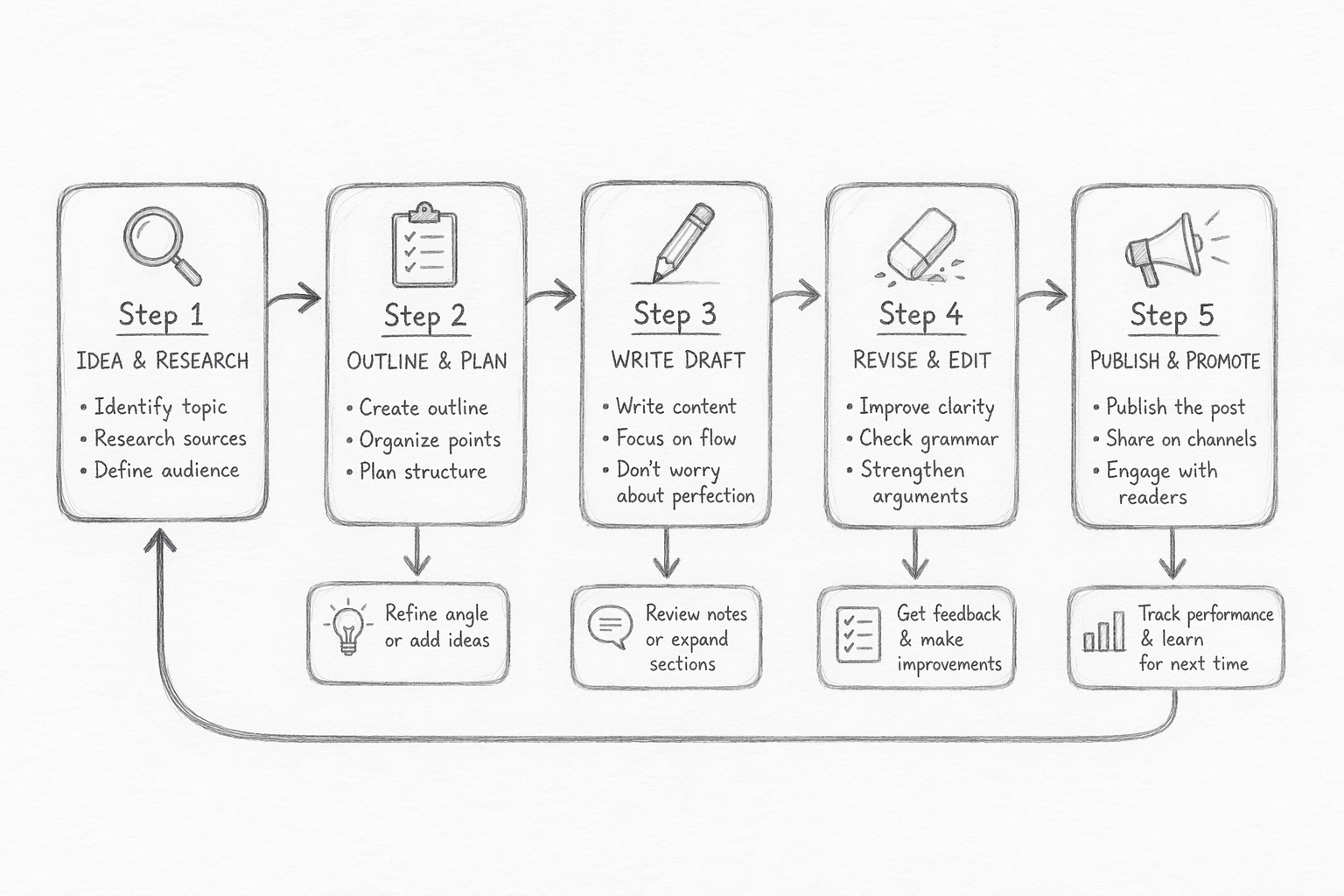
- Generate the draft in Writesonic.
- Run a manual or team fact-check pass against primary sources.
- Store clean, approved stats in a central doc or in a platform like SnowSEO so every article reuses the same numbers.
Think of Writesonic as a fast junior writer. It speeds things up, but it still needs an editor.
2. How useful are citations and source references?
Citations are not a nice-to-have anymore. They are machine signals.
Research on how LLMs verify facts shows they favor:
- Short, numeric statements.
- Linked to stable entities and credible sources like ranktracker.com.
Google AI Overviews and similar systems cross-check your claims against other sites to assess verifiability and consensus, as outlined in analysis from discoveredlabs.com.
Writesonic can output “According to…” formats if you prompt it, but you still must:
- Replace any invented sources with real links.
- Standardize how you cite: one stat, one clear source, consistent wording.
Treat every stat in a Writesonic draft as “guilty until proven innocent.” That mindset keeps your content citable by both humans and AI systems.
Also Read: News Update: Writesonic AI Platform Releases 2026 Features
AI Search Visibility and GEO Relevance
1. What matters for AI search visibility
AI engines do not care about your H1 vanity or word count. They care about clear, citable facts.
From Writesonic’s own GEO research, AI visibility comes down to a few levers: structured content, entity clarity, external mentions, and data backed claims writesonic.com. That lines up with broader generative SEO advice on treating every page as a data source, not just an article snowseo.com.
You need to:
- State crisp definitions and conclusions the model can quote.
- Use headings, lists, and tables so chunks are easy to parse.
- Mention your brand and product names explicitly, not vaguely.
- Back key claims with numbers, sources, and real examples.
- Earn mentions on third party sites, not just your own blog.
Think less “rank me for this keyword” and more “make my page the safest snippet to reuse.”
2. Does Writesonic help content teams prepare for this shift?
Writesonic gets you part of the way.
It is strong at:
- Fast drafting for GEO and SEO topics.
- Turning prompts into structured outlines.
- Generating FAQs, summaries, and list based answers that AI engines like to reuse.
You still need humans to:
- Tighten claims.
- Plug real data and internal insights.
- Map content to high value prompts and entity strategy.
Where Writesonic falls short is visibility feedback. It does not natively tell you how often those pages show in ChatGPT, Gemini, or Perplexity answers. You would need a GEO focused layer on top to track citations and share of AI voice.
Editor style verdict: good content accelerator, not a full AI visibility system.
Also Read: Top 7 AI Content Generation Tools for 2026
Final Verdict: Who Should Use Writesonic for SEO Content?
1. Best fit use cases
Use Writesonic if you care about SEO volume and speed more than perfect prose. It suits:
- Content teams publishing 15 to 50+ SEO articles a month
- Agencies needing an all‑in‑one writer plus basic SEO audits
- Affiliate and e‑commerce sites churning out comparison guides and product pages
- Marketers who want early AI visibility tracking without a separate GEO tool
Pair it with a clear brief, a fact‑checking checklist, and human editing, and it becomes a reliable SEO draft engine.
2. When to consider alternatives
Look elsewhere when:
- Brand voice is sacred. If every paragraph must sound exactly like your brand, Writesonic’s style controls feel loose.
- You already have strong SEO infrastructure. If SnowSEO or Surfer SEO handle your audits, clustering, and rank tracking, you might not need Writesonic’s lighter SEO layer.
- Budget is tight or volume is extreme. Per‑article limits get painful if you publish daily or run multiple sites.
- You want strategy, not just drafts. Writesonic helps you write; it does not replace a real SEO content strategy.
Try Writesonic on one SEO article brief, then plug results into SnowSEO to audit, compare, and scale what works.

Frequently Asked Questions
Q1: Is Writesonic good enough for SEO content on its own?
Writesonic can draft solid outlines and first passes, but you still need human editing. Expect to fix search intent, facts, and internal links. Pair it with a proper SEO brief and a rank tracking setup instead of trusting raw output.
Q2: How should I test Writesonic before my team adopts it?
Pick 3 to 5 real target keywords. Create clear briefs. Generate content, then compare against your current best pages for rankings, click through rate, and time on page. Involve at least one SEO and one editor in the review.
Q3: Who should own Writesonic usage in a content team?
Give ownership to your content lead or SEO manager. They should define when writers use Writesonic, how briefs are created, and what must be checked before publishing. Treat it as an assistant, not a replacement for strategy or editing.
Q4: What risks do I face if I publish Writesonic drafts as is?
You risk shallow content, wrong facts, and weak topical coverage. That can hurt trust, backlinks, and rankings. Always run a fact checking pass, expand sections with real expertise, and align each article to a clear SEO goal before it goes live.
Conclusion
Writesonic shines when you judge it by draft quality and SEO impact, not shiny features. It speeds up solid first drafts but still needs a human edit. How it cites, sources, and handles facts matters more than its marketing. Its GEO and AI visibility tools make it feel closer to tomorrow’s SEO stack than yesterday’s AI writer.
Leave a Reply