
The right keyword research tool can be the difference between publishing content that ranks and publishing content that disappears.
With so many SEO tools in 2026, it is hard to know which actually help you find high intent keywords, build content clusters, and spot competitor gaps.
This guide breaks down 10 powerful tools, what each does best, and how to pick the right stack for SEO, content, or e-commerce. It is built around real workflows, commercial intent, and the features teams actually use today.
Quick Summary: The article argues that the best keyword research tool depends on your workflow, budget, and publishing scale, not marketing hype, and recommends evaluating data quality, filtering, collaboration, integrations, and speed to action first. It groups 10 tools into categories: all-around suites like Semrush, Ahrefs, Moz, and SnowSEO; free or low-cost options like Google Keyword Planner, Search Console, WordStream, Ubersuggest, and LowFruits; and specialized tools for clustering, topical maps, and competitor gaps like Keyword Insights, AlsoAsked, Surfer SEO, and SpyFu. A key nuance is that free tools can work for light publishing, but paid platforms become more valuable for reliable difficulty scores, competitor analysis, and larger content operations, while SnowSEO is positioned as a unique option for combining keyword research with AI content and AI visibility tracking.
How to choose the right keyword research tool
1. What SEO teams should evaluate first
Start with your workflow, not the tool’s hype. How many pages do you publish each month? How many sites do you manage?
Then score tools against five things that actually matter, not shiny extras:
- Data quality: volume accuracy, difficulty, SERP view.
- Filters: can you slice by intent, country, topic, and SERP features fast?
- Collaboration: seats, projects, shared lists, comments.
- Integrations: GA4, GSC, CMS, AI writers, reporting.
- Speed to action: how fast you can go from keyword to brief.
If your team also fights for AI visibility, lean to platforms like SnowSEO that combine keyword data with AI result tracking and content generation in one place.

2. Free tools vs paid tools
Free tools are fine to test ideas. Google Keyword Planner and Google Search Console show demand and current rankings.
Paid tools matter when you:
- Need reliable difficulty scores.
- Plan more than a few posts per month.
- Care about competitors and SERP features.
Rule of thumb:
- Under 4 posts a month: free stack is OK.
- 4 to 20 posts: get one solid paid tool.
- 20+ posts or multiple brands: use a suite like SnowSEO to avoid a mess of disconnected tools.
Also Read: How to Use Searchable for Advanced Keyword Research
The 10 best keyword research tools for SEO in 2026
You do not need ten tools. You need the right mix for how you work. This list is grouped by use case so you can stack a simple, sane toolkit instead of buying everything.
Tip: Pick one main platform, one free data source, and one clustering tool. That covers 95 percent of workflows.
1. Best all-around options for SEO and content teams
These tools handle keyword research, content planning, and tracking in one place.
| Tool | What it does best | Best for |
|---|---|---|
| Semrush | Massive keyword database, competitive research, AI keyword magic | Agencies and larger teams |
| Ahrefs | Keyword Explorer with strong SERP and click metrics | SEO pros who live in data |
| Moz Keyword Explorer | Priority scoring and SERP feature insights | Teams who want simple scoring |
| SnowSEO | Keywords plus AI content for Google and AI engines | Brands serious about AI visibility |
designcopy.net and wifitalents.com both place Semrush and Ahrefs at the top for depth of keyword data and workflow coverage.
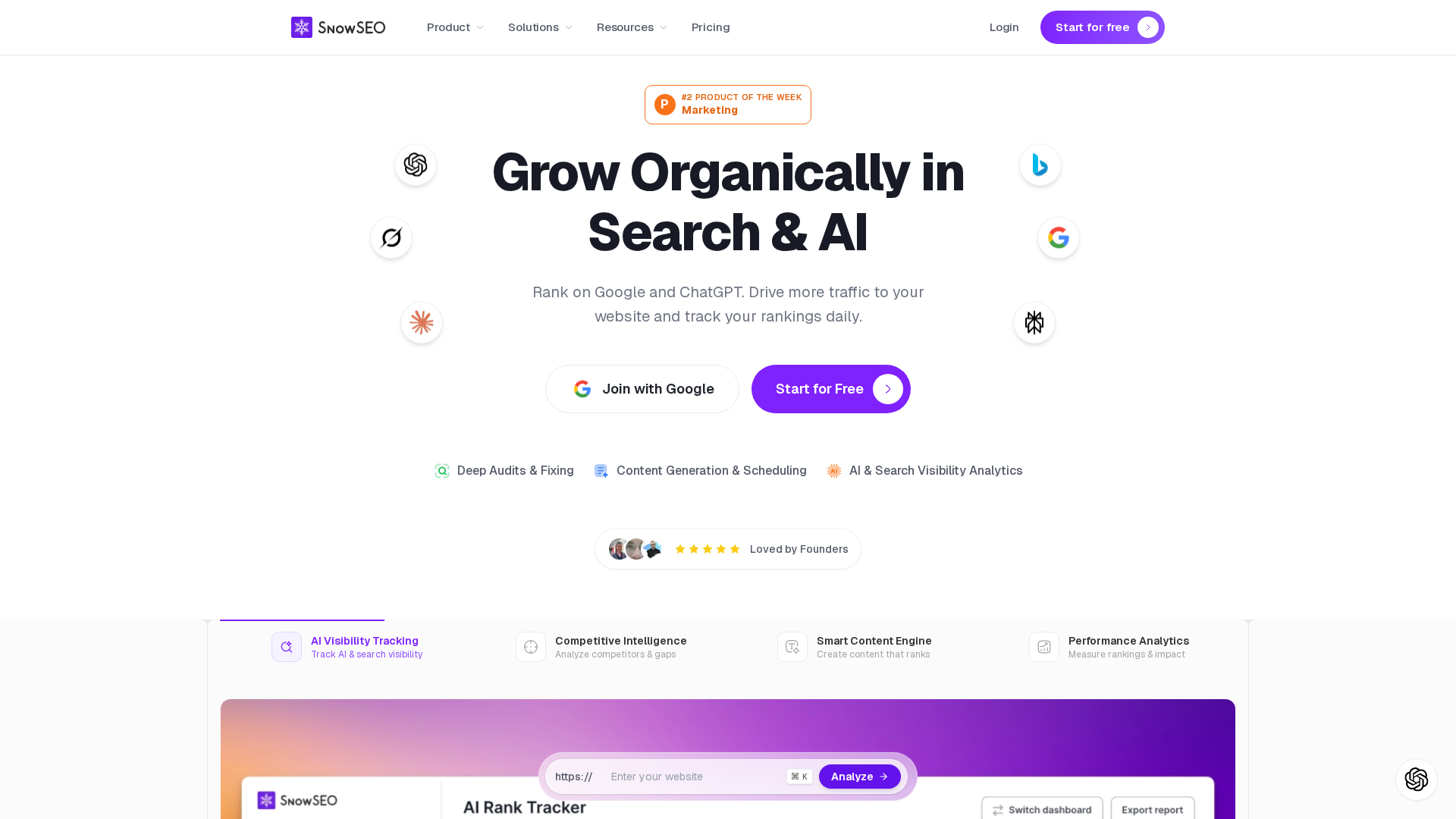
SnowSEO sits in a different lane. It combines keyword research with Generative Engine Optimization, so you plan keywords that work for both search engines and AI answers. That matters when ChatGPT or Claude summaries start stealing clicks.
2. Best tools for free or lower-cost keyword discovery
If you are on a tight budget, stack these instead of jumping straight to a big suite.
| Tool | Price | Why it belongs here |
|---|---|---|
| Google Keyword Planner | Free | Baseline volume and ideas |
| Google Search Console | Free | Real queries your site already gets |
| WordStream Free Keyword Tool | Free | Exact volumes without paid tools |
| Ubersuggest | Low-cost | Simple UI with decent ideas |
| LowFruits | Low-cost | Finds weak SERPs for new sites |
Research from miniloop.ai shows these free tools cover most beginner needs when used together.
3. Best tools for clustering, topical maps, and competitor gaps
Once you have a list, you need to turn chaos into a plan.
| Tool | Focus | Use it for |
|---|---|---|
| Keyword Insights | Clustering and SERP-led grouping | Building topic clusters |
| AlsoAsked | Question maps from People Also Ask | FAQ and support content |
| Surfer SEO | Content editor plus topical maps | Drafting and optimizing content |
| SpyFu | Competitor keyword gaps | PPC and SEO spying |
Keyword Insights and similar tools use SERP overlap to group keywords into topics, as highlighted on designcopy.net. SnowSEO can then take those clusters and generate briefs and AI ready content, so your cluster map does not sit in a spreadsheet forever.
How to use keyword research tools for better SEO output
Treat keyword tools like strategy engines, not just idea lists. Your goal is simple: pick battles you can actually win, then turn them into focused pages.
1. Build keyword clusters from seed terms
Start with 3 to 5 seed topics that match your offers. Drop them into a tool like SnowSEO or Surfer SEO.
Group results by shared intent, not just similar wording. One cluster should support a single pillar page plus a few support pages.
Use volume and difficulty to order clusters by effort vs payoff.
2. Turn competitor data into page opportunities
Plug competitor domains into your tool.
Flag keywords where they rank, but with weak or thin pages.
Plan content that goes deeper, matches intent better, and then interlinks inside your cluster.
Also Read: How to Master Keyword Research in 2026 Step-by-Step
Quick comparison and next-step recommendation
Pick a tool based on how you actually work, not hype.
- Semrush / Ahrefs: Best for deep SEO pros who live in data and need full-stack analysis.
- Moz / Ubersuggest / WordStream: Good for lighter research and budgets.
- LowFruits / Keyword Insights / AlsoAsked: Great for long-tail and topic clustering.
- SpyFu: Strong for competitor PPC and SEO intel.
- SnowSEO: Smart if you want keyword research, AI content, and AI visibility in one workflow.
Next step: list your top 3 needs, match them to this list, then test one primary tool plus one backup.
Choose one tool that fits your current SEO workflow and test it on a real keyword list this week with SnowSEO.
Frequently Asked Questions
Q1: Which keyword tool should I start with if I am a beginner?
Start with Google Keyword Planner or WordStream’s free tool. Both are simple and guide your choices. As you grow, add tools like Semrush or Ahrefs for deeper data. If you want one place to manage research and content, a platform like SnowSEO can also help.
Q2: How many keyword tools do I actually need?
Use 1 main tool for daily work and 1 backup for checks. For most teams, 2 or 3 tools are enough. One handles core research, another finds content ideas, and a third checks competitors. More tools than that often slow you down.
Q3: How often should I redo keyword research for my site?
Review core keywords every quarter. Update fast moving topics, like trends or seasonal offers, monthly. Always repeat research before big site changes, new product lines, or a content sprint. Search intent can shift fast, so plan regular reviews.
Q4: What is the best way to use these tools for content planning?
Pick one seed topic and pull keyword data in your main tool. Group terms by intent and difficulty. Build content clusters around those groups. Then map each cluster to a page or series. Tools that link research and content, like SnowSEO, make this easier.
Conclusion
Pick keyword tools that match your workflow, budget, and growth targets. Paid stacks often win on depth, but smart use of free tools still gets solid wins. In 2026, clustering, search intent, and competitor gap analysis matter as much as raw volume.
Leave a Reply