Quick Summary: To get cited by AI search, create content with original proof, not just polished summaries. Lead with a clear answer, back it with verifiable data or firsthand tests, and keep the page technically clean so crawlers can index it. Measure visibility over time, but never promise citations, since Google offers no guaranteed formula.
A page can rank well, then vanish when a buyer asks an AI tool for a recommendation. Often, the gap is not another keyword. It is a clear, checkable passage the system can retrieve and attribute.
This guide shows how to create citation-worthy content for AI search with useful claims, original proof, clean structure, and sound technical setup. You will also learn how to measure citation-worthy content for AI search without making promises no one can prove.
Step 1: Choose a Question You Can Answer Better Than a Summary
Build a Question Map
Pick questions where your team has proof, not just a polished recap. Google asks creators to add original information, analysis, or first-hand expertise in its people-first content guidance.
- List buyer questions from sales calls and support tickets.
- Group them by task, risk, and intent.
- Flag questions competitors answer with vague advice.
- Choose one your team can show, test, or explain clearly.
Add a Distinctive Evidence Angle
Give the answer something an AI summary cannot create alone.
| Evidence type | Example |
|---|---|
| First-hand test | Results from a real content audit |
| Original data | Patterns from your own site data |
| Expert judgment | A clear decision rule and its limits |
Tip: Do not promise AI citations. Build useful proof, then measure visibility over time.
Also Read: 10 Best Tools for Competitor SEO Analysis in 2024
Step 2: Write Extractable Answers, Then Earn Trust With Depth
Use a Repeatable Section Pattern
Lead with a plain answer in the first two sentences. Then add the context, steps, and proof a reader needs to act.
- State the answer clearly.
- Explain when it applies.
- Add an example, source, or firsthand result.
- Link to deeper guidance where needed.
Google advises clear structure and unique, useful content for generative search features in its AI search guidance.

Write for quick extraction, not shallow reading. The short answer earns attention. The evidence earns trust.
Make Claims Precise and Verifiable
Replace broad promises with facts a reader can check. Name the source, date, sample, method, or limit.
| Weak claim | Verifiable rewrite |
|---|---|
| Our process improves visibility | Our audit found 12 pages missing source links |
| AI search cites experts | AI systems may surface relevant indexed sources |
Google asks publishers to show original insight, clear sourcing, and demonstrable expertise in its people-first content guidance.
Also Read: Google AI Updates Change How Marketers Measure Search Visibility
Step 3: Make the Source Easy to Find, Understand, and Attribute
Check Eligibility and Discoverability
Your best evidence cannot help if crawlers cannot reach the page. Confirm it returns a 200 status, is not blocked by noindex or robots.txt, has a clear canonical URL, and appears in your sitemap.
Google says key pages need links or sitemap entries to be found and crawled. Check the Page Indexing report after publishing.

Indexing makes a page eligible for search. It does not promise an AI citation.
Clarify the Page and Its Author
State the answer near the top, then support it with clear headings, source links, and dated proof. Add a byline, author bio, reviewer details, and an About page.
Google recommends clear sourcing and background about authors or publishers as trust signals in people-first content guidance.
- Name who did the work.
- Explain how you gathered the evidence.
- Update dates when facts change.
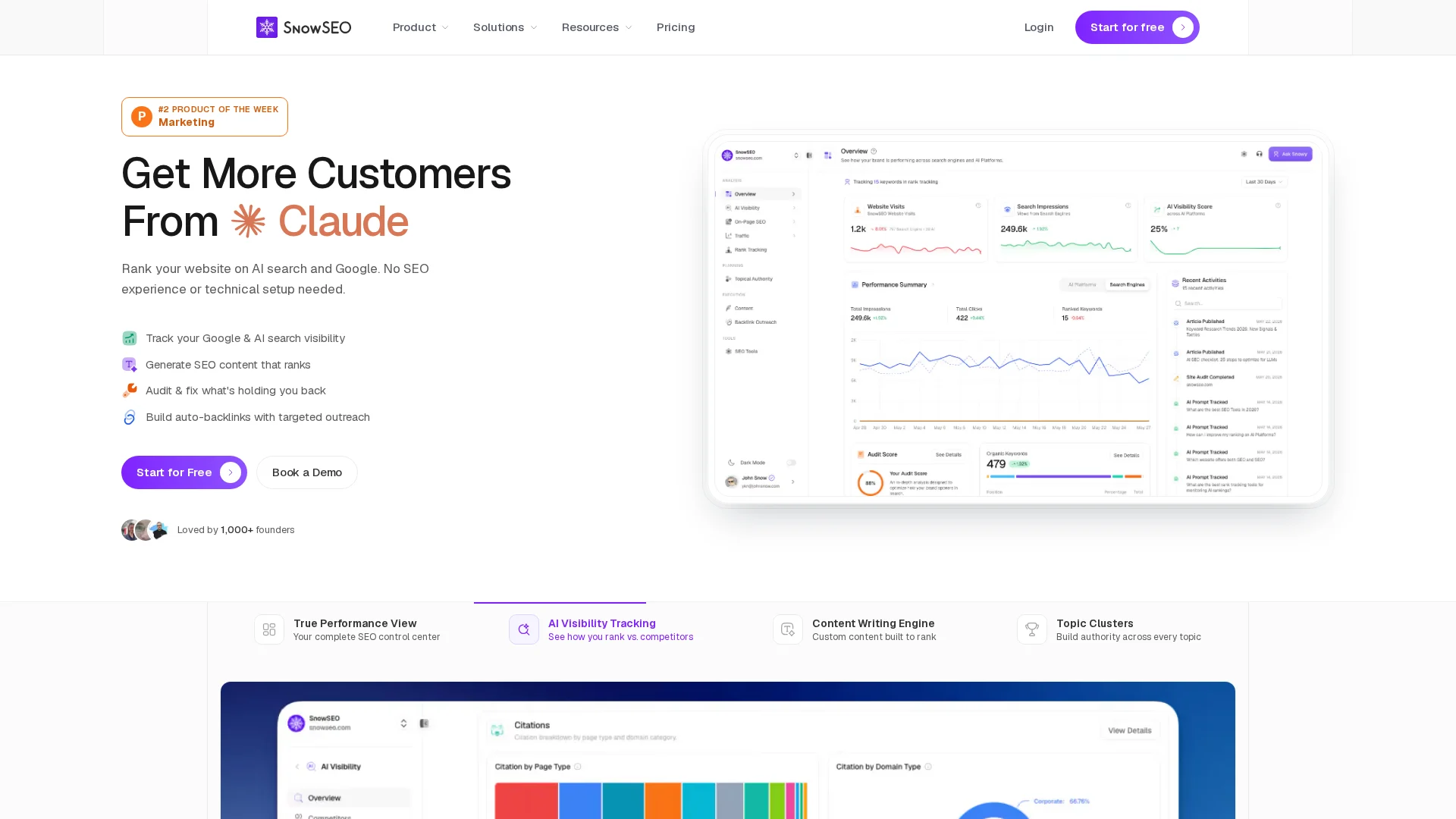
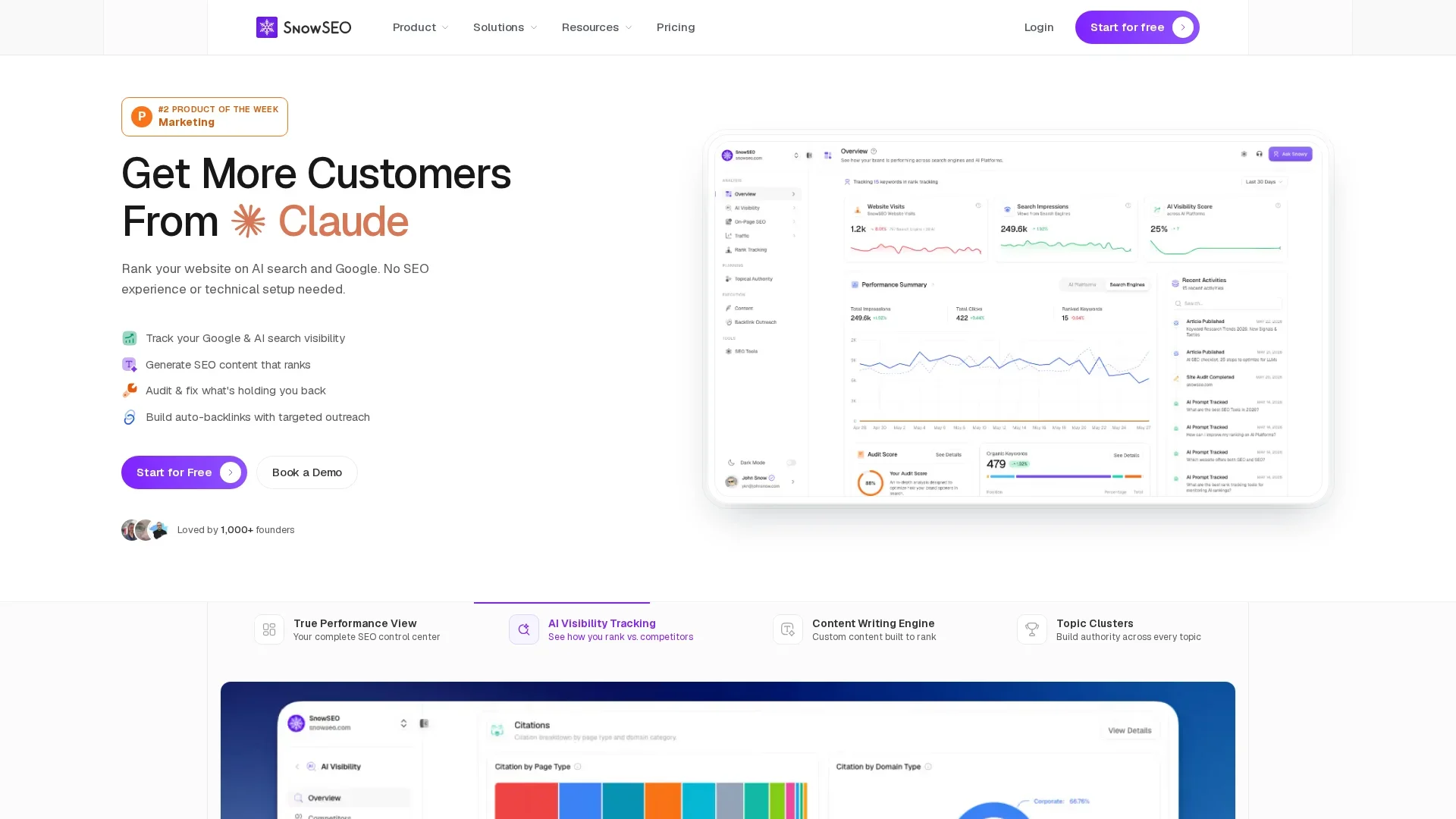
Also Read: SnowSEO – Your Last SEO Platform
Step 4: Publish, Promote, and Measure Citation Potential
Publish a clean, crawlable page with a clear author, date, sources, and internal links. Google advises content teams to show original research and first-hand expertise in its people-first content guidance.
- Share the page with relevant partners, customers, and industry communities.
- Track branded mentions, referring pages, AI answer appearances, clicks, and assisted leads.
- Review the page after new data or product changes.
| Signal | What it suggests |
|---|---|
| Earned mentions | Others find the proof useful |
| AI answer presence | The page may be extractable |
| Conversions | Visibility supports business value |
Do not promise citations. Treat them as an outcome to test, not a ranking metric you control.
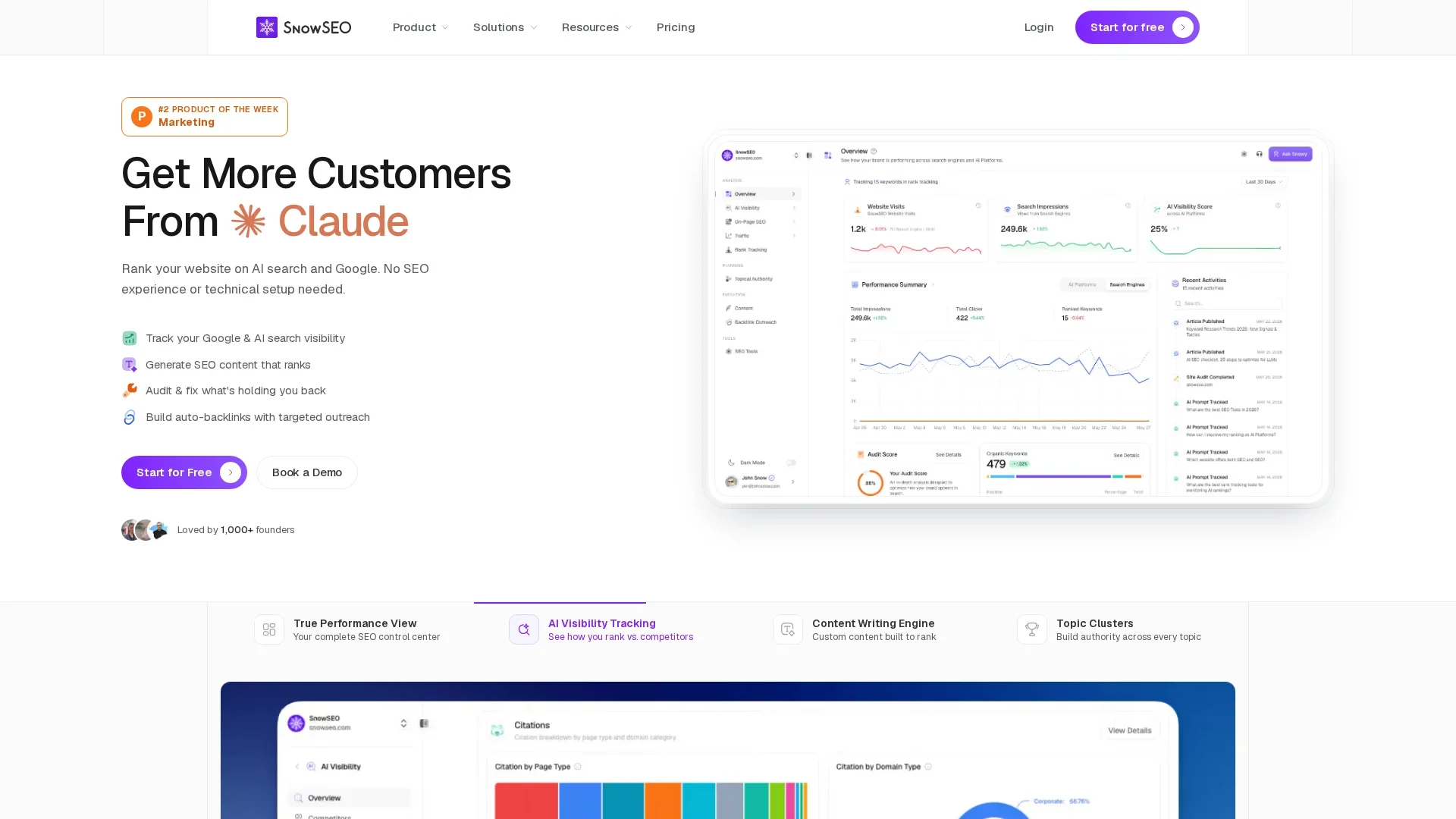
Turn stronger evidence into measurable AI search visibility. Use SnowSEO to audit content, find proof gaps, track rankings, and improve citation-ready pages.
Frequently Asked Questions
Q1: How can marketers create content that AI search engines are more likely to cite?
Use clear answers, named sources, original data, and precise headings. Make key facts easy to extract.
Q2: Does structured data guarantee AI citations?
No. It can help systems understand a page, but proof and relevance matter more.
Q3: What proof makes content more citation-worthy?
First-party research, expert quotes, tested methods, and dated examples build trust.
Conclusion
Build content people can verify, use, and trust. Pair original proof with clear structure, sound technical SEO, and measured results. Google’s guidance confirms there is no guaranteed citation formula.