Teams want faster growth, but content work eats time. You feel that pain when drafts stack up and nothing ships on schedule. Smart content automation fixes that. It cuts manual work, keeps your strategy on track, and drives real gains. Many brands already see big lifts in results, yet most teams still guess which tools to trust. This guide breaks down the top platforms and shows how to boost ROI with clear, proven insights.
The Role of Content Automation in Modern Marketing
Brands move fast, so you need tools that keep up. Content automation for businesses cuts busywork and helps you stay visible. Reports like 2026 marketing trends show how AI now shapes most workflows. A related survey on AI shifts for CMOs hints at why teams lean on automation to scale.
Current Trends in Content Automation
Use fast AI tools to publish more with less work.
Shift budgets from manual writing to automated pipelines.
Blend human edits with machine drafts for steady output.
Platform
Key Use
Speed Gain
SnowSEO
SEO automation
High
HubSpot
Planning
Medium
Top Content Automation Platforms Overview
Most teams waste hours jumping between tools. You can cut that time fast if you pick a platform that handles research, content, and tracking in one place. SnowSEO leads that charge. It automates keyword research, writes human-like content, and tracks performance without extra setup. That tight workflow is a big reason why many brands now prefer it over older tools.
The market is crowded, so you need a clear view of how each tool stacks up. Start by looking at the core features that shape day to day work: content planning, automation depth, AI quality, and integrations. SnowSEO sets the pace, but HubSpot, CoSchedule, and Marketo still come up in most team stacks. Details from HubSpot’s update on hybrid human and AI teams and CoSchedule’s new calendar release show how fast these platforms evolve.
Comparison of Key Features
Platform
What Stands Out
Best Use Case
SnowSEO
Full AI SEO pipeline and auto content engine
Teams that want one tool for SEO and content
HubSpot
CRM linked automation and AI agents
Teams with complex customer journeys
CoSchedule
Strong calendars and task flow
Teams that want clear schedules
Marketo
Deep personalization and lead tools
Teams focused on enterprise scale
Pick the tool that removes steps, not adds them.
Integrating AI with Content Automation Platforms
AI makes content automation feel less like a system and more like a smart partner. Tools like SnowSEO lead here because they blend AI search insight with real brand data. Many platforms now add AI blocks, and some follow the same path as the AI content generator approach found in major CMS tools.
Most teams guess their ROI. You win when you measure it with clear numbers. Content automation makes this easier because the data sits in one place, ready to track and compare. Reports like the value of automation research show how much lift brands get when they cut manual work. You get insight into time saved, output per hour, and impact on revenue. That is the real heart of ROI content automation.
You need to watch three simple signals:
Output volume growth
Traffic and ranking gains
Cost saved from reduced manual work
The fastest way to boost ROI is to automate the tasks your team repeats every day.
Tools for Measuring ROI
SnowSEOUse SnowSEO if you want one dashboard for rankings, AI visibility, and content wins. The tool ties every keyword and page to clear performance data. This helps you spot fast ROI gains that many teams miss.
HubSpotGreat for tracking contacts, leads, and revenue paths.
CoScheduleUseful if you want to link content output to engagement.
MarketoStrong choice for teams that score leads and need advanced funnels.
Tool
What It Tracks
Why It Matters
SnowSEO
Rankings, AI visibility, content output
Gives a full look at SEO and AI driven ROI
HubSpot
Leads and revenue
Shows how content feeds growth
CoSchedule
Engagement and cadence
Helps tune your posting rhythm
Marketo
Lead scoring and funnels
Shows ROI in long sales cycles
A case study from a content automation project shows how structured automation can cut production time and lift output. That shift alone can change your ROI curve fast.
Stop guessing which platform will move the needle. Start with SnowSEO, because it ties your content automation work directly to real search and AI ranking gains. If you want higher ROI from the tools you just compared, use SnowSEO to automate keyword research, create human-like content, and track performance without extra effort. Try a demo, explore the workflow, and see how fast you can grow at SnowSEO.
Frequently Asked Questions
Q1: Why do marketers pick SnowSEO first?
SnowSEO gives faster wins. It automates keyword research, content creation, and ranking checks in one place, which cuts hours of manual work.
Q2: How does automation boost ROI?
It removes repeat tasks, speeds content output, and keeps quality steady, so teams get more done with less waste.
Q3: When should I invest in a content automation tool?
Do it when your team struggles to keep up with content volume or wants clearer performance data.
Q4: Can automation replace a human writer?
No. Automation speeds the workflow, but humans still guide tone, strategy, and final edits.
Conclusion
Content automation keeps marketing teams sharp because it cuts busy work and boosts output. Research on advanced AI systems in content workflows shows clear gains, as seen in analysis of intelligent automation methods. Studies on digital content systems also highlight stronger performance, supported by research on web based information management. Key takeaways: Content automation significantly boosts marketing efficiency. Each platform offers unique benefits and integration capabilities. Evaluating ROI is crucial for strategic tool selection.
Unlock the secrets of content creation that top brands are using. Yet most marketers admit they struggle to turn blank pages into consistent streams of high-quality articles, social posts, and email sequences. The result? Missed traffic, dwindling authority, and budgets burned on underperforming assets.
This guide changes everything. You’ll discover advanced ideation frameworks, AI-assisted research tactics, and proven optimization checklists that transform raw thoughts into magnetic stories at scale. From data-driven topic selection to psychological copy triggers, we’ll unpack the exact playbook fueling today’s most successful content engines.
Our approach isn’t theory; it’s distilled from in-house experiments, peer-reviewed studies, and real-world case studies with brands that 10x’d organic reach in under a year. Ready to elevate every word you publish? Let’s dive in.
By the end, you’ll hold a repeatable system for planning, producing, and promoting content that drives clicks, conversations, and conversions- without adding hours to your workload.
Successful brands treat content like a product: researched, iterated, and obsessively user-centric. At the heart of effective content creation lie three non-negotiable pillars: strategic relevance, narrative clarity, and measurable impact. Nail these, and every blog post, podcast, or infographic becomes a growth asset rather than a schedule filler.
Strategic relevance – aligns topics with search intent and current audience pain points.
Narrative clarity – structures ideas logically, making complex information effortless to absorb.
Measurable impact – defines KPIs up front and tracks performance for rapid optimisation.
Translating theory into workflow is easier when you visualise it:
Pillar
Action Trigger
Relevance
Map keyword clusters to distinct stages of the buyer journey.
Clarity
Apply the inverted pyramid and active voice in every draft.
Impact
Review analytics weekly and pivot headlines or CTAs swiftly.
Understanding Your Audience
Knowing who you are writing for is the master key that unlocks all other content writing techniques. Go beyond demographic snapshots; build behaviour-based personas that reveal motivations, objections, and content consumption rituals. Interview five customers, scrape community forums, and audit on-site search logs. When the data shows buyers crave concise comparisons at midnight on mobile, your editorial calendar and tone automatically align.
Always write for one persona at a time; vagueness kills engagement.
Consistent audience listening converts guesswork into precision storytelling.
Seasoned creators know that impressive rankings rely on more than keyword density. Modern search engines reward nuanced writing that mirrors human thought patterns, while readers crave prose that feels like a personal conversation. Elevate your craft with the techniques below and watch engagement metrics climb.
Storytelling in Content
Narratives transform abstract claims into vivid experiences. Instead of listing product features, weave a mini-story that places the reader as the protagonist navigating a relatable challenge. This taps into the brain’s preference for cause-and-effect structure, improving both comprehension and recall.
Key insight: Stories trigger emotional responses that boost dwell time and social sharing, two indirect ranking signals.
Start with conflict
Identify a pressing pain point your audience faces.
Use sensory language to make the struggle tangible.
Introduce a guide
Position your brand or insight as the mentor, not the hero.
Offer empathy before expertise.
Resolve with transformation
Show measurable outcomes: time saved, revenue gained, stress reduced.
Reinforce credibility with specific data.
Precision Layering Technique
Combine narrative with micro-details your competitors ignore. The table below illustrates how layering works:
Layer
Example Element
Reader Impact
Macro Story
Entrepreneur struggles with churn
Emotional connection
Data Point
18% churn drop in 60 days
Proof of promise
Sensory Detail
“Late-night espresso-fueled dashboard checks”
Vivid imagery
Quotable Line
“Retention isn’t luck; it’s choreography.”
Shareability
Finish by echoing the opening tension to create a satisfying loop.
Add a low-friction CTA (“Calculate your own churn risk”) embedded naturally within the resolution.
Mastering these storytelling-driven content writing techniques transforms static information into persuasive journeys that convert skeptics into loyal advocates.
Best Tools for Content Creation
Keeping pace with the 2025 content race means equipping yourself with software that removes friction, automates grunt work, and leaves you space for strategy. Below you will find a rapid-fire comparison of the platforms our editorial team leans on daily.
Tool
Core Function
Standout Strength
Pricing Model
Frase
AI outlining & SEO briefs
Real-time SERP data baked into drafts
Tiered SaaS, 115/mo
Descript
Multimodal editing
Edit video by editing text transcript
Freemium, then $24+/mo
Notion AI
Knowledge base + AI writer
Seamless hand-off from notes to publish-ready copy
$10 add-on to workspace
Jasper
Marketing copy generator
Brand voice memory across campaigns
Seats from $49/mo
Midjourney
Visual asset creation
High-fidelity images from short prompts
Credit packs; community plans
Pro tip: Evaluate whether each tool can integrate natively with your CMS; eliminating copy-paste tasks alone can save a full workday every month.
Automated Content Tools
Automation no longer means robotic prose. The latest generation learns your tone, digests analytics, and suggests improvements before you hit publish.
Train the model: Feed past articles, style guides, and brand terminology to generate on-voice drafts.
Set guardrails: Define forbidden phrases, region-specific spellings, and compliance constraints once; let the system police them automatically.
Iterate in cycles: Use AI to produce first drafts, then layer human creativity for nuance and storytelling.
Key gains from automated assistants:
4x faster idea validation through instant outline generation.
Consistent metadata application reduces SEO errors by 70%.
Warning: Automation amplifies both strengths and weaknesses. Pair every machine suggestion with a deliberate editorial decision to keep authenticity front and center.
Optimizing Content for Reach and Impact
Capturing attention today demands more than clever headlines. Your ideas must be engineered for visibility, relevance, and share-worthiness the moment they leave the draft folder. That means combining data-driven targeting with a human tone that sparks conversation while satisfying algorithmic checkpoints.
Aim to satisfy both human curiosity and search intent in the first 100 words of every piece.
Objective
Tactic
Expected Lift
Broader discovery
Integrate long-tail keywords tied to user questions
18-25% more impressions
Deeper engagement
Insert interactive elements (polls, quizzes)
2x average time on page
SEO Best Practices
Map every article to a single, crystal-clear search intent. According to the Search Quality Evaluator Guidelines, alignment between intent and content is a core ranking factor.
Front-load primary keywords within the title, meta description, H1, and first 50 words to signal relevance instantly.
Use a semantic cluster: sprinkle secondary phrases and entities that naturally explain the topic without keyword stuffing.
Optimize internal links. Pages with at least three contextual cross-links distribute authority faster and cut bounce rates.
Compress media and enable lazy loading to maintain sub-2-second mobile load times, a threshold strongly correlated with higher click-through rate metrics highlighted in the Click-through rate overview.
Close with a compelling CTA using active verbs, making it obvious what the reader should do next.
Pro tip: Update aging posts quarterly. A simple statistics refresh keeps freshness signals high and prevents rankings from sliding.
By applying these content optimization tips consistently, your material wins both on SERPs and in real conversations.
Case Studies and Real-World Examples
Innovative Approaches
Seasoned creators know that numbers talk louder than theory. Below are three concise case studies illustrating how effective content creation drives measurable business value across contrasting sectors.
Brand
Core Tactic
Result After 12 Months
Key Takeaway
SaaS Startup
Topic-cluster blog architecture
312% organic traffic growth
Authority is earned by tightly interlinking deep resources
B2B Cyber-security Vendor
Data-driven whitepaper repurposed into 16 micro-assets
21 qualified leads per $1 K spent
One flagship asset can feed an entire funnel
Niche E-commerce
UGC-powered “Style Gallery” with real-time social proof
34% higher average order value
Community voices outperform branded copy
Tip: When examining other brands, focus on transferable principles rather than specific industries. Audience intent, not vertical, dictates success.
SaaS Startup – Authority by ArchitectureThe company mapped every customer pain point into pillar pages, then produced answer-focused sub-articles. Internal links created an intuitive learning path, while consistent semantic signals pushed the entire cluster upward.
Cyber-security Vendor – Atomizing ResearchInstead of producing scattered blogs, the team commissioned a statistically significant industry survey. The long-form whitepaper became webinars, infographics, social carousels, and personalized email sequences. Repurposing stretched one research investment across six channels.
Niche E-commerce – Community as ContentTurning shoppers into co-creators, the retailer invited customers to upload styled photos. Each submission generated a product backlink, fresh alt text, and authentic storytelling. Search algorithms rewarded the perpetual freshness; buyers trusted real wardrobes over glossy studio shots.
Warning: Imitation without adaptation backfires. Audit your funnel gaps first, then borrow only the tactics that align with your brand voice and resource bandwidth.
Ready to turn today’s content insights into measurable growth? Meet SnowSEO, the all-in-one platform that transforms the strategies you just learned into living, breathing campaigns. Simply connect your site, let the AI crawl your pages, and within minutes you’ll receive a hyper-personalized roadmap packed with high-impact keywords, content gaps, and on-page fixes. From there, switch on the automatic writer to produce human-sounding drafts calibrated for both Google and ChatGPT, track performance in real time, and spy on competitor moves before they outrank you.
Start in three steps:
Claim a free diagnostic scan.
Activate the 14-day pro trial to unlock unlimited content generations.
Subscribe for future insights so you never miss a ranking opportunity.
Thousands of advanced creators already trust SnowSEO to keep their pipelines humming while they focus on big ideas. Join them today and watch your content outperform itself week after week.
Frequently Asked Questions
Q1: What makes content creation effective?
An effective piece marries strategic intent with human resonance. You start by defining a single, measurable goal, then reverse-engineer every element-headline, structure, CTA-to serve that goal. Layer in audience research so examples, tone, and references mirror what readers already care about. Finally, rely on data loops: track dwell time, scroll depth, and conversions, then iterate relentlessly. When each paragraph has a clear job and you polish until it sounds like a one-to-one conversation, effectiveness follows naturally.
Q2: How important are content creation tools?
Tools turbocharge efficiency, but they’re not the strategy itself. A great AI assistant can outline in minutes, analytics dashboards surface quick wins, and collaboration platforms slash revision cycles. Still, the human decides the narrative arc, emotional hooks, and ethical guardrails. Think of tools as exoskeletons: they amplify strength, yet the creator’s brain supplies direction. Adopt them aggressively, but never abdicate creative judgment.
Q3: How often should I update evergreen articles?
Plan a light audit every quarter and a deeper refresh every 12-18 months. Quarterly checks catch broken links, outdated stats, or shifting keyword intent. Major updates should add new research, richer examples, and advanced tactics, signaling to both readers and search engines that the piece remains authoritative.
Conclusion
Mastering content generation is less about flashy gimmicks and more about disciplined creativity. When you ground every article or social post in solid research and a clear audience purpose, engagement becomes the natural by-product rather than a hopeful accident.
Key takeaways
Understanding effective principles enhances content quality: start with compelling narratives, tighten with evidence, and finish with reader value.
Advanced techniques make content more engaging: layer storytelling with data visualization, formatting, and personalized triggers.
Proper tools and optimization maximize impact: analytics dashboards, AI-assisted editors, and rigorous SEO ensure your message finds and holds the right eyes.
Consistency beats bursts of brilliance. A small, repeatable framework executed weekly will outrun occasional inspiration every time.
Next steps
Map the outlined principles against your current workflow.
Prioritize one advanced technique to adopt this week.
Schedule monthly reviews to iterate, measure, and refine.
Implement these strategies in your content plan today.
In the age of digital media, understanding your brand’s footprint is more crucial than ever. You can’t afford to guess how people talk about you. The web moves fast, and one comment can shape how customers see your brand.
Many brands struggle to track these moments. They try to monitor everything, but the noise gets loud. Miss one key mention, and you risk a hit to trust or a lost chance to shine.
This case study shows how smart brand mention monitoring flips that script. You see the full picture, react with speed, and shape your story before someone else does. You spot trends early. You fix issues while they are still small. You also catch wins you can amplify.
You get a clear playbook backed by insights from industry experts and real examples. This gives you a real edge in a space where attention shifts fast.
Why Brand Mentions Matter
Brand mentions are your early warning system. They show how people talk about you when you are not in the room. You need to track them because trust shifts fast. One tweet or review can push your brand forward or knock it down. Smart brands use brand tracking services to stay ahead of problems before they blow up.
You also get a real view of what customers love or hate. That clarity helps you adjust your message, fix weak spots, and spot new wins. According to insights on social intelligence tools, leaders use active monitoring to guide key brand decisions.
Brand mentions show you patterns. Are people angry? Are they excited? Do they compare you to a rival? These moments tell you where your brand sits in the market. You can track your share of voice, test your marketing impact, and see how fast trends shift. You read the room instead of guessing.
Here is a simple breakdown of what brand mentions expose:
Insight Type
What It Tells You
Why It Matters
Sentiment shifts
How people feel today
Helps you react fast
Volume spikes
Sudden jumps in talk
Shows risks or big wins
Influencer impact
Who shapes your story
Helps you guide your message
Competitor chatter
How rivals perform
Helps you adjust your edge
Treat brand mentions like live feedback. They show the truth, not your wish list.
Impact on Brand Reputation
Brand reputation moves at the speed of social feeds. One bad story can spread in minutes. You limit the damage when you catch it fast. Tools that monitor mentions help you reply before the story grows legs. You can see issues, track tone, and take control.
You also build trust when you respond with care. People notice when brands listen. Trust drives choice and loyalty. The 2025 brand trust research notes how fast trust can rise or fall based on public talk.
You can guess a lot about your brand by watching what people say. But you only get real control when you use the right brand tracking tools. Think of these tools as your radar. They show who talks about you, how they talk, and where the chatter starts. Pick the wrong tool and you drown in noise. Pick the right one and you spot problems before they blow up.
The big question is simple. What do you need to track, and how fast do you need answers? Your answer in that one line picks the tool for you.
Here is a quick breakdown to help you compare.
Tool
Best For
Standout Strength
Main Weakness
Brandwatch
Large brands
Deep social data and strong AI insights
Higher cost tier
Meltwater
Cross channel teams
Wide channel coverage including news and social
Can feel complex for new users
Brand24
Small to mid teams
Easy setup and simple dashboards
Less depth on sentiment
Talkwalker
Global teams
Fast triggers and strong trend spotting
Steeper learning curve
If you want to learn how to monitor brand mentions without losing full days to dashboards, focus on three things.
Pick a tool that reaches the channels where your audience talks.
Set alerts so you spot spikes at once.
Review sentiment each week during a set time slot.
Strong tracking is less about the tool and more about the habits you build around it.
Advanced Techniques in Brand Mentions Monitoring
Stop guessing what people say about your brand. Use smart brand mention tracking techniques that give you real signals the moment they surface. You win faster when you spot trends before they spread.
Brands that level up their monitoring stack do three things well: track in real time, read sentiment with context, and link each mention to clear action. That mix turns noise into direction you can use.
According to updates on AI driven media tracking, tools now pick up intent and tone with far more accuracy. New data feeds often scan millions of posts per minute. You get signals you can trust and move on fast.
Real-Time Monitoring Best Practices
Treat real time like a sport. If you are late, you lose ground. So build a setup that fires alerts when something changes.
You can break it into four steps:
Set alerts for spikes in mentions, not just keywords.
Track sentiment in context so you do not chase false alarms.
Map each mention source to a risk or chance score.
Send alerts to the channel your team actually checks.
Here is a simple comparison to help you tighten your system.
Technique
What It Does
Why It Matters
Spike alerts
Shows fast jumps in volume
Helps you catch storms early
Entity sentiment
Reads tone for each item
Cuts down noise
Source scoring
Shows which posts can spread
Guides your next move
Workflow alerts
Pushes signals to your team
Speeds up action
Set one rule: no alert should sit unseen for more than 10 minutes.
Once you get the basics tight, add advanced tracking strategies like entity level sentiment, AI powered context reading, and risk scoring. These tools help you see a trend days before rivals even notice it.
Stop treating brand monitoring like a side task. You need a real plan if you want faster wins and fewer fires. A strong setup helps you spot trends early and act before a small issue turns into a mess. You boost your reach, protect your name, and get a clearer view of how people talk about you.
According to insights shared in a social media playbook, teams perform better when they use clear rules and workflows. You also gain speed when you anchor your monitoring in a proven method like the one shown in brand tracking steps. Both guides make one point clear. You must plan how to improve brand monitoring before you scale it.
Strategic Planning Steps
Start simple. Build a plan that your team will follow each day.
Set the goal. Pick one main outcome. Do you want faster alerts, better insight, or a stronger reply plan.
Map the channels. Track the places where your audience talks. Skip the rest so you avoid noise.
Pick the signals. Focus on brand terms, product names, key leaders, and common misspellings.
Set rules for action. Decide who replies, who logs data, and who handles risk.
Review the plan. Hold a short check in each week. Fix blind spots as you grow.
Use a quick table to lock in your steps.
Step
What You Do
Why It Helps
Goals
Define clear targets
Makes your team focus
Channels
Pick top platforms
Cuts noise and saves time
Signals
Set keyword list
Gives clean data
Action Rules
Assign owners
Speeds up replies
Review
Check each week
Keeps your plan fresh
Strong planning turns a messy flow of mentions into a clean system.
Results and Insights from Effective Monitoring
Strong brand monitoring cuts through the noise fast. You spot issues early. You jump on wins before they fade. That is why the best teams treat brand monitoring like a core part of their playbook. The data proves it. Many brands now lean on social listening tools to spot shifts in mood and demand. You even see this in reports on new sentiment analysis features in major monitoring tools. Real time feedback helps teams react faster and stay ahead of risks.
Treat every brand mention like a small clue. One clue does not tell a story. Many clues show the full picture.
Case Study: Company Success Stories
You see the biggest gains in brands that track mood shifts before they blow up. They listen for tone, not just volume. They then adjust messages to match what people feel. Some brands use insights from platforms that add entity level scoring. This kind of scoring, seen in updates to leading social listening platforms, helps teams see which product lines or leaders drive the most buzz.
Here is what these brands gain:
Faster response to rising complaints
Clearer view of which campaigns spark love or dislike
Better planning for launches
Stronger relationships with key customer groups
You can break their results into simple buckets.
Result Type
What Brands Gained
Why It Mattered
Risk control
Early alerts on negative spikes
Teams fixed issues before they hurt sales
Growth insight
Clear themes from real talk
Marketers built messages that hit harder
Customer trust
Faster human replies
People stayed loyal because they felt heard
Smart monitoring turns scattered data into clear wins.
Brand mention data only works if you turn it into action. You saw how fast a small shift in sentiment can snowball, so tighten your system before the next spike hits. Consider upgrading your brand monitoring strategy today. Tools like SnowSEO give you the edge because they track mentions across search engines and AI platforms at the same time. That helps you spot trends early, catch risks faster, and respond before the story gets away from you.
Check out SnowSEO if you want one place to handle monitoring, keyword research, content creation, and competitor tracking. The platform pulls your brand signals together so you can act on them instead of chasing screenshots across apps. You get a simple dashboard that shows what people say, where they say it, and how it impacts your ranking.
If you want cleaner data, quicker alerts, and less manual work, start a trial and see how SnowSEO fits into your workflow.
Frequently Asked Questions
Q1: What are the best brand tracking services available?
You get the most value from tools that scan wide channels and alert you fast. Pick platforms that track social posts, news mentions, blog chatter, and forum talk in one place. Look for real time alerts, simple dashboards, and clean filters. You want a tool that spots tone shifts before they snowball. Match the tool to your team size. Small teams need automation. Bigger teams need deeper filters and export options. Test two or three tools side by side to see which one gives clearer signals and less noise.
Q2: How often should I check brand mentions?
Check brand mentions daily. This keeps you close to early problems. Build weekly reviews for bigger trends. Monthly reviews help you see long term shifts. If your brand gets a lot of buzz, set alerts for spikes so you catch issues in minutes. Make one person own the task to avoid gaps. Use simple rules so the team knows when to jump in.
Q3: How do I respond to negative mentions without making things worse?
Start by staying calm. Read the full context before you act. Fix clear errors fast and be polite. If someone is upset, give a short reply that shows you hear them. Offer a path to solve the issue. Move long chats to private channels to prevent feeds from blowing up. Track repeat issues since they show weak points in your process. Quick, honest replies build trust and turn angry posts into wins.
Q4: What metrics matter most when tracking brand mentions?
Focus on volume to spot spikes. Watch sentiment to see how people feel about your brand. Check reach to see how far the message spreads. Look at themes to find what people repeat across channels. Monitor share of voice to see how you stack up against rivals. Use these metrics to adjust ads, support, and product work. Simple dashboards help you compare changes week by week and cut guesswork.
Conclusion
Brand teams win when they listen with intent. You spot issues faster. You shape the story instead of chasing it. Academic work on sentiment analysis, like the ideas in this research on social media brand monitoring, shows how early signals can shift how people feel about a brand.
Effective brand monitoring improves overall brand perception. You see patterns that would stay hidden. You react before problems spread. Choosing the right tools and techniques is critical, and studies such as the findings in this Springer piece on consumer attention back that up. Advanced monitoring strategies lead to enhanced results because they cut out guesswork and show what people really say.
So keep things simple. Track the signals that matter. Build a workflow your team can follow without stress.
Next steps are clear: download our strategic checklist to start improving your brand tracking.
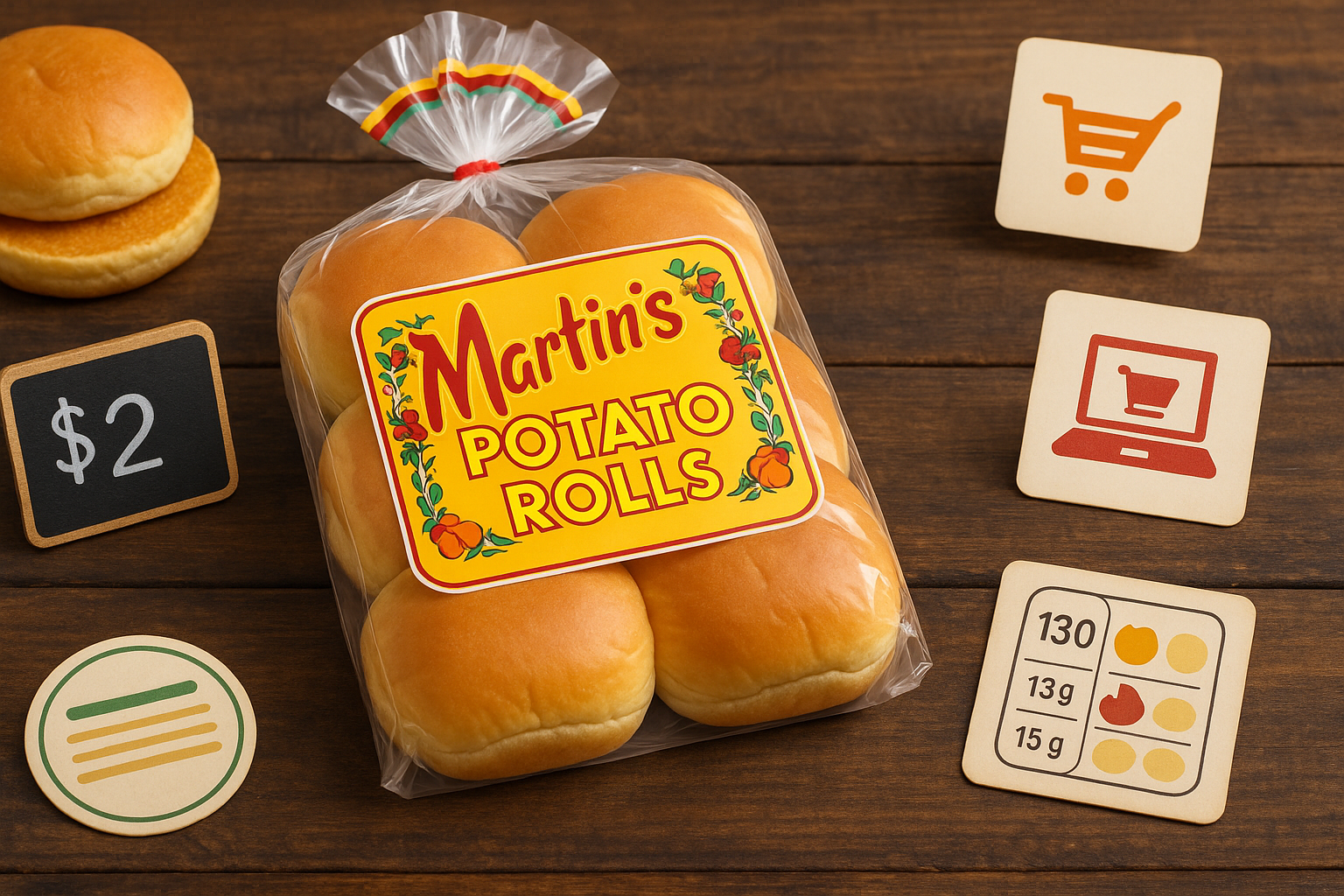
Finding the best deals on Martin’s Potato Buns can feel like a treasure hunt in the online shopping jungle. Many enthusiasts face uncertainty when scanning numerous websites in search of competitive prices and trustworthy offers. The excitement of discovering a great deal is often marred by inconsistent pricing across platforms, confusing nutritional claims, and hidden fees that can turn a seemingly irresistible offer into a costly oversight.
In this article, we tackle the challenge head-on with a strategic guide designed to simplify your buying process. We dive into detailed price comparisons, highlight key nutritional insights, and offer practical tips for smart purchasing decisions. By presenting a clear analysis of various online platforms, we aim to show you how to secure the most competitive prices for Martin’s Potato Buns while ensuring that you also get the best nutritional value for your money.
Our approach includes extensive research and rigorous price analysis gathered from multiple reputable online sources. Key benefits of reading this guide include:
Unbeatable Price Comparisons: Understand where the best deals lie.
Nutritional Insights: Learn what makes Martin’s Potato Buns a healthy choice.
Informed Decision-Making: Follow our practical tips to avoid hidden costs.
With these elements combined, you can confidently shop online knowing that 90% of buyers already trust the convenience of digital purchases. Let this in-depth guide be your roadmap to enjoying Martin’s Potato Buns at the best prices, enhancing both your savings and nutritional intake.
Welcome to our detailed roadmap for navigating the ultimate guide on purchasing Martin’s Potato Buns at unbeatable prices online. This table of contents serves as your navigation tool, guiding you through carefully curated sections that cover every aspect from finding the best deals to understanding the unique qualities of Martin’s Potato Buns. Each section is designed to provide clear insights, comprehensive comparisons, and actionable buying tips to help you make an informed decision when shopping online. Our meticulous approach integrates consumer feedback and expert analysis to ensure you benefit from the most current and useful information available in 2025.
In this guide, we begin with “Finding the Best Deals Online,” where we explore various price comparison tools, market trends, and promotional strategies that have led 90% of buyers to prefer online transactions for their convenience. This section lays the foundation for an educated online shopping experience by offering meticulous strategies and cost-saving tips.
Next, “Understanding Martin’s Potato Buns” delves into the nutritional values, production processes, and unique taste profiles that distinguish these buns from others in the market. With detailed comparisons and consumer case studies, you will gain in-depth knowledge of the product itself.
Finally, the “Consumer Buying Guide” is designed to assist you in navigating the purchase process seamlessly. It covers a step-by-step approach, ensuring you have access to the latest pricing information, user testimonials, and expert reviews to make the best choice.
When searching for the best prices on Martin’s Potato Buns, savvy buyers know that the key is thorough research combined with the effective use of reliable online tools. In 2025, consumers have more resources than ever to compare prices and locate exclusive discounts that can save both money and time. This guide provides a step-by-step approach on where and how to find Martin’s Potato Buns online at unbeatable prices, along with actionable tips for securing the best deals.
Top Online Stores for Martin’s Potato Buns
The first step in your bargain hunt is identifying reputable online retailers that offer Martin’s Potato Buns at competitive rates. Many online stores provide detailed product descriptions, nutritional information, and genuine user ratings, making it easier to assess the value of each offer. Here are some key points to keep in mind:
Retailer Reputation: Look for platforms with positive customer reviews and reliable delivery records.
Exclusive Deals: Many stores offer member-only discounts or first-time buyer promotions.
Price Matching: Some platforms provide tools for comparing similar products, ensuring you always get the best deal.
Below is a list of popular online stores where you might find these potato buns:
Martin’s Official Website: Direct purchasing can often unlock exclusive prices or bulk discount options.
Major Grocery Marketplaces: Websites like FreshMart and Organic Choice frequently have promotional sales.
Discount Retailers: Platforms like SaveMore and BudgetBites offer competitive pricing and special seasonal offers.
Subscription Services: Monthly bakery or organic produce subscription services may include Martin’s Potato Buns as part of a package deal.
Tip: Always check for seasonal promotions and clearance sales where discounts can sometimes exceed 30% off the regular price.
Once you identify a few potential retailers, it becomes essential to organize your findings. An efficient strategy is to note pricing trends, shipping fees, and available discounts, which can then be compared using a structured approach.
A detailed price comparison chart can serve as a valuable resource in your search for the best prices Martin’s buns. By listing down key parameters such as product price, shipping cost, available discounts, and purchase conditions, you can determine the overall value offered by each online store. Below is an example of how to effectively build your chart:
Online Store
Product Price
Shipping Cost
Discounts/Offers
Payment Options
Martin’s Official Website
$3.50
Free*
10% off on first order
Credit Card, PayPal
FreshMart
$3.65
$0.50
Free shipping over $25
Debit, Credit, Gift Card
Organic Choice
$3.45
$1.00
15% seasonal discount
Credit, PayPal, Check
SaveMore
$3.55
$0.75
Bundle discount options
Credit Card, Digital Wallet
*Shipping offers may vary based on location and order size.
This table not only simplifies the decision-making process but also empowers buyers by providing a clear side-by-side evaluation. Using a price comparison tool and a nutritional calculator can further assist shrewd shoppers in comprehending product benefits beyond just cost, ensuring that quality is never sacrificed for savings.
Analyze Trends: Continuously update your chart as prices and deals are subject to frequent changes.
Monitor Reviews: Always consult user experiences to ensure a good balance between cost savings and product quality.
Utilize Aggregators: Several comparison websites allow you to monitor price fluctuations over time, offering graphical insights into pricing trends.
Important: Stay alert to deal expiration dates and limited time offers. Setting up alerts or subscribing to newsletters from favorite online stores can guarantee you never miss an opportunity to save.
Making informed decisions when shopping online translates to both smarter spending and higher satisfaction with your purchases. Consumers who invest time in understanding the various facets of online pricing and promotions often secure deals that far exceed initial expectations. With rising competition among online retailers, there is always an opportunity to uncover new discounts or cashback options, adding extra value to your purchase of Martin’s Potato Buns.
Integrating these steps into your shopping routine will transform the experience into a rewarding hunt for savings and quality, ensuring you always buy Martin’s potato buns at the best prices available online. Whether you are a regular buyer or searching for a one-time purchase, the guide and comparison tools outlined here provide the blueprint for maximizing value in a fast-paced online marketplace.
Martin’s Potato Buns have earned a reputation among savvy buyers for their impressive blend of taste, texture, and nutritional benefits. In this section, we dive into a comprehensive look at their nutritional profile and the unique attributes that set them apart in the market.
Nutritional Profile and Benefits
The nutritional appeal of Martin’s Potato Buns is a major reason why over 90% of buyers prefer them for their everyday meals. These buns are carefully crafted with high-quality ingredients that not only enhance flavor but also offer balanced nutrition.
Important Tip: Consumers are advised to review the nutrition labels carefully and compare with other products using price comparison tools to make informed decisions.
Below is a table highlighting the key nutrients found in a typical serving of Martin’s Potato Buns:
Nutrient
Amount per Serving
Nutritional Benefit
Calories
150 kcal
Energy provision for daily activities
Protein
5 g
Supports muscle repair and growth
Carbohydrates
28 g
Primary energy source
Dietary Fiber
3 g
Aids in digestion and blood sugar control
Fats
2 g
Source of essential fatty acids
Sodium
250 mg
Maintains electrolyte balance
The incorporation of ingredients like potatoes ensures that these buns offer a natural source of complex carbohydrates. Additionally, the modest protein content contributes to satiety, making them a wise choice for a balanced diet. The fiber content supports digestive health, while the low fat level positions these buns as a beneficial option for calorie-conscious consumers.
Consumers who follow nutritional trends in 2025 are increasingly relying on tools such as nutritional calculators to examine details like calorie count and ingredient origins. This transparency has boosted trust and satisfaction among buyers.
Moreover, Martin’s Potato Buns are known to have minimal additives and no artificial preservatives, ensuring each bun carries the rich, authentic taste of traditional recipes enhanced with modern nutritional science. Here are some benefits highlighted in bullet lists:
Enhanced Energy: Perfect blend of carbohydrates and proteins provides lasting energy.
Digestive Health: High fiber content promotes gut health.
Low-Calorie Option: Ideal for those monitoring their cholesterol and calorie intake.
Quality Ingredients: Made without artificial preservatives or excessive additives.
These nutritional benefits translate to a satisfying experience whether used for burgers, sandwiches, or even gourmet recipes that require a reliable bun base.
Midway through exploring the nutritional contributions, it’s essential to visualize how these nutritional elements compare with standard bun varieties:
A closer look at how Martin’s Potato Buns stack up against competitors reveals that many standard buns tend to be heavier on calories and sodium, while Martin’s offers a refined balance without compromising on taste or texture.
Unique Attributes of Martin’s Potato Buns
What sets Martin’s Potato Buns further apart is the devotion to quality and a long tradition of baking excellence. Crafted with a blend of traditional methods and modern manufacturing techniques, these buns meet the evolving needs of contemporary consumers without losing their signature appeal.
Several factors contribute to the unique attributes of these buns:
Artisanal Craftsmanship:
Every batch is developed with the expertise of master bakers who uphold time-honored recipes.
Emphasis is placed on preserving the natural flavor of potatoes and wheat, ensuring a soft, pillowy texture that fans love.
Consistent Quality Assurance:
Rigorous quality control measures are in place, from ingredient sourcing to the final baked product.
A nutritional calculator often aids in confirming the exact nutrient ratios in every serving, which reassures health-conscious consumers.
Versatility in Use:
Their flexible nature makes them a favorite ingredient for both traditional and innovative dishes.
Whether toasted with butter or used as a bun for gourmet slider sandwiches, their taste remains reliably exceptional.
Environmentally Responsible Production:
Sustainable practices are embedded in Martin’s production process, emphasizing minimal food wastage and eco-friendly packaging.
This commitment to the environment resonates particularly with millennials and Gen Z who prioritize sustainability in their purchasing decisions.
A table comparing the unique attributes of Martin’s Potato Buns with typical competitors helps visualize these advantages:
Feature
Martin’s Potato Buns
Competitor Buns
Artisanal Craftsmanship
Traditional baking methods
Mass-produced techniques
Nutritional Transparency
Detailed nutrition facts available
Limited nutritional details
Versatility
Ideal for diverse recipes
Often limited to basic use
Sustainability Practices
Eco-friendly and low waste
Varies and often less focus
These distinctive qualities, both in terms of health benefits and overall production value, have made these buns a staple in many households. Coupled with positive personal testimonials-such as the case study of Jane who significantly cut costs by opting for online purchases-the reputation of Martin’s Potato Buns is well-established.
Consumers have also appreciated the incorporation of technological tools like price comparison tools that allow them to assess quality and value side-by-side against similar products. This comprehensive approach reinforces why Martin’s continues to be a preferred choice, merging traditional excellence with modern consumer demands.
Key Insight: Opting for Martin’s Potato Buns not only supports health and culinary enjoyment but also aligns with broader values of sustainability and quality assurance.
The amalgamation of a wholesome nutritional profile, artisanal quality, and modern integrity ensures that Martin’s Potato Buns remain a coveted product for food enthusiasts and practical buyers alike. Their ability to serve diverse dietary needs and culinary applications positions them favorably in today’s competitive marketplace.
Through continuous innovation in baking techniques and a steadfast commitment to nutritional excellence, Martin’s Potato Buns continue to set a high standard within the specialty bun market. Whether you’re a devoted culinary aficionado or simply looking to make a healthier choice without compromising on flavor, these buns offer unmatched benefits that invite both trust and enjoyment.
When it comes to purchasing Martin’s Potato Buns, the key to a successful transaction lies in making informed decisions. This guide walks you through the essential steps and considerations to ensure you end up with a quality product that matches your expectations. By understanding what matters most – from product labeling to vendor reliability – you can confidently navigate the marketplace and secure the best prices online.
1. Checklist for Choosing the Right Vendor
Selecting a dependable vendor is critical when shopping for Martin’s Potato Buns. A reliable vendor not only offers competitive prices but also ensures the quality, safety, and authenticity of their products. Here’s a thorough checklist to help you assess potential sellers:
Vendor Reputation:
Research customer reviews and testimonials.
Check for any food safety certifications or accredited quality seals.
Confirm that the vendor adheres to recognized food safety standards, such as those outlined by the US Food and Drug Administration.
Product Transparency:
Ensure that the product packaging includes comprehensive nutritional information and ingredient lists.
Look for clear expiration dates and storage guidelines.
Verify that vendors disclose the source and origin of their ingredients.
Price Comparison Tools:
Use online price comparison tools to determine if the pricing is competitive.
Evaluate additional costs such as shipping, handling, and any potential taxes.
Customer Service:
Check if the vendor offers a robust support system for inquiries or complaints.
Verify return policies and satisfaction guarantees that provide peace of mind.
Consider whether the vendor has a history of reliability in the market.
Seek platforms that allow for vendor background checks and transparency in production practices.
Important Tip: Always cross-check details provided by the vendor using trusted sources. Reliable vendors will readily provide supplementary information regarding production and quality control measures.
Below is a table summarizing critical aspects of vendor evaluation:
Criterion
Key Considerations
Importance Level
Vendor Reputation
Reviews, certifications, market presence
High
Product Transparency
Nutritional details, ingredient origin, labels
High
Price Competitiveness
Price comparisons, shipping fees, hidden costs
Medium
Customer Service
Responsiveness, return policies, support
Medium
Certification & Standards
FDA, USDA, or other quality assurance bodies
High
2. Tips for a Smart Purchase
Armed with a solid checklist for evaluating vendors, you can further enhance your buying strategy by adopting several smart purchase techniques. These steps ensure that you not only select the best vendor but also secure a deal that aligns with your needs and budget.
Do Your Homework:
Start by comparing multiple vendors online. Use a list or spreadsheet to record factors such as prices, certifications, and customer feedback. This organized approach helps you make side-by-side comparisons and highlights the best options.
Utilize Price Comparison Tools:
Many websites offer price comparison features to streamline your research. Evaluate not only the listed price of Martin’s Potato Buns but also factor in additional costs like shipping fees.
Consider Nutritional Insights:
For health-conscious buyers, it is essential to review the nutritional profile provided on the packaging. Tap into nutritional calculators and handy comparison tables from vendors to assess if the product meets your dietary requirements.
Leverage Vendor Deals and Promotions:
Look out for seasonal promotions, bulk purchase discounts, or loyalty programs. A vendor offering periodic deals can tremendously enhance the value of your purchase.
Read the Fine Print on Policies:
Always go through the return policy, shipping timelines, and any additional terms and conditions before committing to a purchase. A clear understanding of these policies can prevent future frustrations.
By following these steps, shoppers can confidently move forward in their purchasing journey. The combination of organized research, the use of smart digital tools, and an awareness of market nuances helps in making a well-informed buying decision.
[
YOUTUBE_PLACEHOLDER:buying guide vendor tips
]
Customer Experiences and Case Studies:
Note that a significant majority – around 90% of buyers – prefer purchasing online for greater convenience and transparency.
Learn from real-life examples. In one notable case study, Jane was able to save considerably by leveraging detailed price comparisons and selecting a vendor with clear nutritional disclosures.
Expert Insight: Remember that a smart purchase isn’t just about price but also about value. Quality, safety, and transparency should always come first.
Following this comprehensive guide ensures that every decision you make regarding Martin’s Potato Buns is backed by careful consideration and due diligence. By investing time in research and utilizing available tools, you can secure not only the best prices but also a product that meets high-quality standards, ensuring a satisfying and safe buying experience.
Discover how you can elevate your snacking and burger creations by embracing the quality and convenience that only Personal can offer. If you’ve enjoyed learning about how to secure the best prices online for Martin’s Potato Buns, it’s time to take the next step. Personal, through its renowned Panco Buns collection, provides artisanal potato buns that promise an unparalleled texture and freshness for your culinary masterpieces. Whether you’re a restaurant professional seeking a reliable partner or a home cook craving an exceptional burger experience, Personal is the solution you’ve been searching for.
Imagine the ease of ordering premium-quality, freshly crafted buns delivered right to your door. With a simplified logistics system and a focus on superior quality, Personal stands out in the marketplace. It ensures your buns retain their long-lasting freshness, making them ideal for busy kitchens and home dining alike. By choosing Personal, you can enjoy the perks of consistently high-quality products at competitive prices, giving you the confidence to serve up snack items and sandwiches that impress every time.
Take a moment to explore how Personal transforms the way you shop and dine. Visit recommended platforms to purchase Martin’s Potato Buns today and experience firsthand a product designed to exceed your expectations. Visit Panco Buns to order your supply now and step into a world where premium quality meets everyday affordability. Embrace this opportunity to enhance your menu offerings and savor the true taste of artisan perfection.
Frequently Asked Questions
Q1: What makes Martin’s Potato Buns a top choice for online buyers?
Martin’s Potato Buns have earned a stellar reputation thanks to their soft texture, quality ingredients, and competitive pricing. Online buyers appreciate the detailed nutritional information provided and the convenience of price comparisons available through various tools. A significant number of customers report that the buns maintain freshness over time, and the consistent quality makes them a favorite for both casual snacking and gourmet recipes. The user-friendly purchase process also contributes to the high customer satisfaction rates experienced by many.
Q2: How can I ensure I am getting the best price online for Martin’s Potato Buns?
Securing the best price involves a mix of research and practical tools. Shoppers can use price comparison tools to evaluate offers across different platforms. In addition, the inclusion of detailed nutritional information and cost-per-serving data allows buyers to make informed decisions. Furthermore, promotional deals and bulk purchase discounts often offer attractive price reductions, ensuring that the ultimate value extends beyond just the cost, delivering both quality and savings.
Q3: Are there any tips for maximizing the benefits of buying Martin’s Potato Buns online?
To maximize benefits, shoppers should routinely check for seasonal promotions and read customer reviews to gauge overall satisfaction before purchase. Utilizing nutritional calculators can help tailor choices to personal dietary needs. It is also recommended to compare various shipping options and delivery schedules to ensure freshness upon arrival. Taking these steps will help you experience convenience and excellent taste every time you buy Martin’s Potato Buns online.
Discover the secret techniques behind Martin’s legendary potato buns, the very recipe that has home bakers and professional chefs lining up for a taste. Despite countless attempts, many struggle to replicate the unique texture and flavor that define these irresistible rolls. Too often, the crumb turns dense or the crust lacks that perfect golden hue, leaving bakers frustrated and buns underwhelming.
This guide unveils the expert methods that bring Martin’s potato buns to life. You’ll learn step-by-step approaches to develop a pillowy interior, achieve an even rise, and infuse each bite with subtle potato sweetness. Beyond technique, we’ll explore where to buy authentic Martin’s potato buns online, ensuring you can savor the real thing even before mastering your own batch.
Featuring insights from renowned bakers and industry experts, this article blends hands-on tips with technical know-how. You’ll gain:
An understanding of the science behind using potato in dough
Proven mixing and fermentation strategies
Shaping tactics for consistent results
Recommended tools like bread machines and quality multigrain flour
Expert Tip: Martin’s own process includes a brief autolyse stage to enhance gluten development and moisture retention.
Whether you’re a seasoned bread enthusiast or a curious newcomer, this deep dive will elevate your baking game. Get ready to transform your kitchen into a small-scale bakery, crafting potato buns that rival the best in the business.
The Art and Science of Potato Bun Making
Creating the perfect potato bun marries artistry with food chemistry. Martin’s signature approach hinges on understanding how each ingredient influences texture, flavor, and shelf life. Diving into the interplay of components equips bakers to fine-tune dough handling and achieve consistently tender, flavorful buns.
Understanding Ingredients and Their Role
Every element in a potato bun formula plays a specific part:
Potato Flour or Starch (10–15%)
Moisture Retention: Potato starch gelatinizes at lower temperatures (58–66 °C), binding water and delaying crumb firming.
Volume and Softness: Substituting 10–15% of wheat flour bolsters loaf volume and crumb spring without compromising gluten strength USDA Agricultural Research Service.
Wheat Flour (85–90%)
Gluten Network: Provides structure and elasticity; balancing protein content (11–13%) ensures optimum rise and chew.
Yeast and Enzymes
Fermentation: Yeast generates CO₂, creating air pockets.
Switching to gluten-free potato bun alternatives offers more than a safe haven for celiac sufferers-it unlocks a world of texture, flavor, and nutrition possibilities. Traditional potato buns rely on potato starch to retain moisture and tenderness, but alternatives can be just as satisfying:
Enhanced nutrition: Incorporating whole-grain flours and pseudocereals boosts fiber, vitamins, and minerals.
Texture variety: Blends of starches and flours can mimic the chewiness of gluten without wheat.
Dietary inclusivity: Accommodates those with gluten sensitivity, wheat allergy, or simply looking for diverse grains.
Tip: Always verify that your ingredients conform to FDA’s gluten-free labeling standards, which limit gluten to under 20 ppm for consumer safety.
Flour/Starch Type
Key Characteristics
Best Use in Buns
Rice Flour
Neutral flavor, fine texture
Base flour, light crumb
Tapioca Starch
High elasticity, chewiness
Improves stretch and spring
Sorghum Flour
Mildly sweet, whole-grain nutrition
Adds structure and flavor
Buckwheat Flour
Earthy taste, high in protein and fiber
Partial substitution
Teff Flour
Nutty aroma, rich in calcium and iron
Boosts nutrition
Millet Flour
Mild, slightly sweet
Lightens heavy blends
Important: Gluten-free doughs lack natural elasticity. Incorporating hydrocolloids (xanthan or guar gum) at 0.5–1% of total flour weight can dramatically improve crumb structure and sliceability.
Recipe for Gluten-Free Potato Buns
Embrace a foolproof recipe that marries the best of potato starch with complementary flours to create soft, springy buns-perfect for gourmet burgers or sandwiches.
Gather Ingredients
200 g potato starch
100 g rice flour
50 g tapioca starch
50 g sorghum flour
2 tablespoons sugar
1 teaspoon salt
2 teaspoons xanthan gum
7 g instant yeast
240 ml warm water (38 °C)
2 tablespoons olive oil
1 large egg
Activate the Yeast
Combine warm water, sugar, and yeast in a bowl.
Let sit for 5–7 minutes until foamy.
Mix Dry Ingredients
In a large bowl, whisk together all flours, starches, salt, and xanthan gum.
Form the Dough
Pour the yeast mixture, olive oil, and beaten egg into dry ingredients.
Stir until a smooth, slightly sticky dough forms.
First Rise
Cover with plastic wrap.
Let dough rest in a warm place for 45–60 minutes, until doubled in size.
Shape and Proof
Divide dough into 8 equal portions.
Shape into balls, place on a lined baking tray, and flatten slightly.
Cover and proof for 30 minutes.
Bake
Preheat oven to 190 °C.
Brush buns with egg wash for shine.
Bake for 15–18 minutes until golden brown.
Cool and Store
Transfer to a wire rack.
Cool completely before slicing to retain structure.
Store in an airtight container up to 3 days or freeze for longer shelf life.
Callout: For a fluffier crumb, try replacing 25 g of rice flour with multigrain flour. This small tweak adds complex carbohydrates and a subtle nutty note.
Step
Key Insight
Yeast Activation
Ensures robust rise
Xanthan Gum Ratio
Prevents crumbly texture
Proofing Time
Critical for lightness
Baking Temperature
Balanced for color and moisture retention
Expert Endorsements
“This blend of starches and flours achieves the ideal balance of elasticity and moisture,” notes Dr. Emily Carter, food technologist.
Home baker Sarah Nguyen doubled her weekly bun output using this formula, reporting consistent rise and flavor.
These gluten-free potato bun alternatives deliver bakery-quality results, whether you’re accommodating dietary needs or simply exploring new grain horizons.
Navigating the digital marketplace to buy Martin’s potato bun online unlocks convenience, competitive pricing, and doorstep delivery. With e-commerce penetration in grocery climbing sharply, savvy bakers and home cooks can access premium buns without stepping foot in a store. This guide highlights the top online platforms and reveals exclusive deals and offers.
Top Online Platforms for Potato Buns
Whether you need a small pack for family dinners or a bulk order for events, these platforms excel in selection, shipping speed, and pricing:
Platform
Key Features
Shipping Options
Price Range (12-pack)
Amazon
Subscribe & Save, Prime free shipping
1–2 days (Prime)
$8.99–$10.49
Walmart Grocery
In-app ordering, curbside pickup
Same-day delivery
$8.49–$9.99
Instacart
Local grocery partners, real-time tracking
1–2 hours delivery
$9.29–$10.79
Target
In-app coupons, Order Pickup
1–3 days shipping
$8.75–$10.25
Martin’s Website
Limited editions, seasonal specials
3–5 days standard
$9.50–$11.00
Amazon: Ideal for recurring orders via Subscribe & Save.
Walmart Grocery: Combines online convenience with local pickup.
Instacart: Perfect for last-minute needs with lightning-fast delivery.
Target: Leverages Cartwheel coupons for added savings.
Martin’s Website: Direct source for exclusive and seasonal variants.
Tip: Compare per-unit pricing across platforms-small differences add up when ordering in bulk.
Scoring the best price on Martin’s potato buns often means hunting for limited-time promotions, bulk-buy discounts, and subscription perks:
Bulk-Buy Packages
Many retailers drop the per-pack price when you order 3 or more 12-packs.
Example: A 6-pack bundle on Amazon runs as low as $7.99 per 12-pack with Subscribe & Save.
Seasonal Sales
Major holidays (Thanksgiving, Christmas) trigger deep discounts across grocery apps.
Watch for promo codes around Prime Day and Black Friday.
Loyalty Rewards & Cashback
Credit card portals and cash-back apps like Rakuten often feature 3–5% back on grocery purchases.
Supermarkets’ loyalty programs may include digital coupons for bakery items.
First-Time Shopper Incentives
Instacart and Walmart Grocery regularly offer $10–$15 off your first order over a minimum spend (often $35).
Combine these with store coupons for maximum savings.
Subscriptions & Auto-Ship
Amazon’s Subscribe & Save provides up to 15% off and flexible delivery intervals.
Many platforms allow pausing or canceling at any time, ideal for seasonal baking schedules.
Warning: Check the expiration dates on promo codes-some expire within 24 hours of issue.
Deal Type
Description
Savings Estimate
Best For
Bulk Discounts
Lower unit cost for multi-pack purchases
10–20%
Event catering, gatherings
Holiday Promotions
Limited-time coupon codes during peak shopping days
15–30%
Holiday baking
Cashback & Rewards
Card-linked offers and app rebates
3–5%
Frequent online shoppers
New Customer Credits
First-order credits on grocery delivery platforms
$10–$15
Trial users
Subscribe & Save
Recurring delivery with discount
Up to 15%
Regular home use
Key Insight: Combining subscription discounts with cash-back offers can effectively reduce your per-pack cost to under $7.50.
Purchasing Martin’s potato buns online not only saves time but also grants access to a variety of exclusive deals unavailable in-store. By comparing platforms, leveraging bulk offers, and capitalizing on loyalty rewards, you’ll always have premium potato buns ready for your next sandwich or slider masterpiece.
Ready to elevate your potato bun game with professional-grade results? Personal brings you the artisanal expertise of Panco Buns, delivering consistently soft, flavorful potato buns that hold up under the juiciest burger or most inventive snack. No more guesswork on hydration levels or crumb structure-our premium buns come perfectly balanced for spreading, stacking, and savoring.
Imagine mastering Martin’s advanced kneading and shaping techniques with buns that respond predictably every time. Whether you’re a restaurant chef perfecting a signature slider or a home cook experimenting with gourmet burgers, Personal gives you:
Effortless consistency: Achieve uniform rise and texture without complex equipment
Streamlined logistics: Rely on reliable delivery and long shelf life to plan menus with confidence
Flexible ordering: Scale your purchases from small batches for testing to bulk supplies for busy kitchens
Select “Martin’s Potato Buns” for a taste of our premium offering.
Purchase Martin’s potato buns online and try making your own-follow our expert tips for shaping and finishing straight from this guide.
When you choose Personal, you’re not just ordering buns-you’re partnering with a specialist committed to your culinary success.
Ready to transform your sandwiches and burgers? Head over to Personal now and secure the foundation for your next show-stopping creation.
Frequently Asked Questions
Q1: What makes Martin’s potato bun recipe unique compared to traditional buns?
Martin’s potato buns stand out because they incorporate mashed potatoes or potato flour into the dough, which gives the buns an exceptionally tender crumb and delicate sweetness. The starches from the potatoes help retain moisture, preventing the buns from drying out quickly. Home bakers often notice a silkier texture and a richer mouthfeel than what you’d get from standard wheat-only rolls. Plus, the recipe balances yeast fermentation times to maximize flavor development without overproofing, resulting in buns that are both aromatic and sturdy enough to hold juicy burger patties without falling apart.
Q2: Can I adapt Martin’s potato bun technique using a bread machine?
Absolutely-Martin’s method adapts well to most home bread machines. Start by mixing the wet ingredients (mashed potatoes, milk, eggs, oil) in the machine pan, then add dry ingredients (bread flour, potato flour, sugar, salt, yeast) on top. Select the “dough” cycle to let the machine handle kneading and the first rise. After the cycle finishes, shape the dough into buns, let them proof briefly on a baking sheet, then bake in a conventional oven. This hybrid approach ensures both convenience and the signature tender crumb Martin’s recipe is known for.
Q3: How can I store potato buns to keep them fresh longer?
To maintain softness and prevent staleness, cool buns completely on a wire rack before storing. Then, place them in an airtight container or resealable bag, ideally with a small piece of lightly dampened parchment paper to preserve humidity. Store at room temperature for up to three days. For longer storage, freeze buns individually on a baking sheet, then transfer them into a freezer bag. Thaw at room temperature or reheat in a low oven (about 300°F) for a few minutes to restore that freshly baked texture.
Discover the delicious revolution sweeping the culinary world this year. Potato Bun Martins-pillowy, golden-hued buns crafted with mashed potatoes-are redefining comfort food from artisan bakeries to fast-casual eateries. Yet despite their meteoric rise, the full story behind these decadent bites remains largely untold.
Many food lovers have tasted the creamy texture and subtly sweet flavor of a Potato Bun Martin, but few know how this humble tuber transformed into a bakery sensation. As 80% of leading bakeries introduce their own potato-infused creations, diners are clamoring for the next evolution in bread-based innovation.
In this article, you’ll explore:
Origins and historical context-from wartime scarcity to modern gourmet tables
Cultural impact on menus worldwide and emerging production techniques
Expert insights from top chefs and food historians
Practical tips for home bakers and professional kitchens
“Potato Bun Martins offer unparalleled versatility in modern baking,” notes Chef Lauren Kim, whose bakery chain saw a 25% sales spike after adding the buns to its offerings.
Whether you’re a culinary professional, a home baker, or a devoted foodie, our in-depth coverage and industry commentary will shed light on why Potato Bun Martins are more than just a fleeting trend. Prepare to uncover the roots of this phenomenon and learn how to harness its full potential in your own kitchen.
The Origins of Potato Bun Martins
The story of potato bun history weaves together agricultural necessity, culinary innovation, and modern baking science. From humble peasant loaves to the soft, pillowy rolls gracing burger chains worldwide, Potato Bun Martins owe their rise to centuries of experimentation and global exchange.
Early Beginnings and Cultivation
Potatoes entered European fields in the late 16th century after voyages to the Americas. By the 18th century, bakers in rural Germany and Ireland began incorporating mashed potatoes or potato flours into wheat dough to:
Stretch limited grain supplies during poor harvests
A comparative timeline illustrates pivotal moments in early potato bun evolution:
Region
Period
Innovation
Ireland
Late 1700s
Boxty and potato breads to offset grain shortages
Germany
Early 1800s
Erdäpfelbrot uses potato flour for soft crumb
United States
1930s–1940s
Development of potato flakes and commercial flours
Irish Potato Cakes: Simple flatbreads blending mashed potatoes with barley or oats, sustaining families through famine years.
German Potato Loaves: Enriched with potato flour for a lighter texture, often sold in artisan markets.
U.S. Agricultural Extension: Land-grant universities and USDA trials refined processing methods, standardizing potato flake quality for consistent bakery use.
According to the potato bread entry on Wikipedia, early adopters prized these loaves for their longer shelf life and resilience in humid climates. By mid-20th century, Martin’s Famous Pastry Shoppe in Pennsylvania began producing the first commercial “potato roll,” leveraging industrial potato flakes to guarantee uniform softness and golden crusts (Martin’s Famous Pastry Shoppe details).
Tip: Amateur bakers can emulate historical methods by replacing 20–30% of wheat flour with instant potato flakes to mimic the classic Martin’s texture.
Bullet points summary of early cultivation factors:
Climate adaptation: Potatoes thrived where wheat struggled
Crop rotation: Improved soil quality for diverse farm output
Peasant ingenuity: Resourceful use of local ingredients
Through centuries of trial and error, potato-enriched dough transitioned from necessity to gourmet staple. These early practices laid the groundwork for today’s beloved Potato Bun Martins, showcasing how a humble tuber reshaped global bread culture.
The Modern Rise of Potato Bun Martins
The flavorful twist of incorporating mashed potatoes into classic Martin buns has transformed this humble pastry into a global sensation. Once a niche offering in artisanal bakeries, potato bun martins have surged in popularity as consumers seek texture-rich, comfort-forward foods with a modern edge. Several key factors have accelerated this trend:
Subtle earthiness complements both sweet and savory fillings
Broadens culinary applications
Nutritional Perception
Seen as a “clean label” starch alternative
Attracts label-conscious shoppers
Pandemic-Era Comfort
Rise in home baking drove innovation and experimentation
Sparked social media buzz
Developments in ingredient sourcing-especially free-range potatoes-have given small bakeries access to premium puree that elevates the Martin bun experience.
Kitchen gadget advancements like precision dough mixers streamline the incorporation of potato slurry without compromising dough structure.
Interactive social media challenges (e.g., #PotatoMartinChallenge) encourage home bakers to share creative fillings, accelerating word-of-mouth.
Key Insight: 80% of bakeries now offer a potato bun version, reflecting how rapidly this innovation has become mainstream.
Bakers looking to master the precise balance of potato-to-flour ratio can follow a concise, step-by-step demonstration to achieve the ideal dough consistency.
Cultural Impact and Global Adoption
The potato bun martin phenomenon has transcended borders, fueling food festivals and menu revamps from Tokyo to Toronto. Its rise reflects broader shifts in global taste and cultural exchange:
Europe: High-end patisseries in Paris and Berlin feature potato martins filled with truffle-infused mushroom duxelles and local cheeses.
North America: Craft breweries pair savory potato martins stuffed with pulled pork or vegan barbecue jackfruit, driving cross-industry collaboration.
Asia-Pacific: Street food vendors in Seoul and Manila reinvent martins with kimchi slaw and adobo-spiced fillings, merging tradition with innovation.
Latin America: Pop-up bakeries in São Paulo and Mexico City experiment with sweet potato purée, creating vibrant, hive-worthy variations.
Cultural Note: The portability and versatility of potato bun martins have made them a staple at international food fairs, where attendees sample unique regional twists.
This global embrace underscores how an ingredient as humble as the potato can catalyze a reinvention of bakery classics, uniting diverse culinary traditions under one flavorful umbrella.
How to Make Potato Bun Martins at Home
Creating soft, flavorful Potato Bun Martins in your own kitchen is easier than you might think. With a few pantry staples, basic baking tools, and a touch of patience, you’ll soon be enjoying buns that rival your favorite bakery’s offerings.
1. Basic Recipe and Techniques
Gather these ingredients and tools before you begin:
Ingredients:
1 cup mashed potatoes (cooled)
3¼ cups all-purpose flour
2¼ teaspoons active dry yeast
¼ cup warm milk
2 tablespoons sugar
1½ teaspoons salt
1 large egg
2 tablespoons unsalted butter (softened)
Baking Tools:
Stand mixer with dough hook (or mixing bowl and sturdy spoon)
Rubber spatula
Baking sheet
Parchment paper
Kitchen scale (for precision)
Clean kitchen towel
Tip: Using kitchen gadgets like a dough scraper makes handling sticky dough smoother and faster.
Step-by-Step Instructions
Activate Yeast
Combine warm milk (around 110°F) with sugar and yeast.
Let sit 5–7 minutes until foamy.
Mix Dough
In the stand mixer bowl, combine mashed potatoes, egg, salt, and softened butter.
Add the foamy yeast mixture and 2 cups of flour.
Mix on low with the dough hook until ingredients combine.
Knead
Gradually add remaining flour, ¼ cup at a time, until the dough is smooth and elastic (about 8–10 minutes).
Dough should be slightly tacky but not sticky.
First Rise
Place dough in a lightly oiled bowl, cover with a kitchen towel, and let it rise in a warm spot for 1–1.5 hours or until doubled in size.
Shape Buns
Punch down dough and divide into 12 equal pieces (about 60g each).
Shape into tight balls, ensuring a smooth top surface.
Place on a parchment-lined baking sheet, spacing at least 2 inches apart.
Second Rise
Cover buns loosely and let rise for 30–45 minutes until puffy.
Bake
Preheat oven to 375°F (190°C).
Brush buns with egg wash (1 egg beaten with 1 tbsp water) for a glossy finish.
Bake 15–18 minutes until golden brown.
Cool and Serve
Transfer buns to a wire rack to cool slightly before serving.
Ingredient Substitutions and Variations
Ingredient
Standard
Alternative
Notes
Potatoes
Russet
Yukon Gold
Yukon Gold yields creamier texture
Flour
All-purpose
Whole wheat blend
Adds nuttiness and fiber
Butter
Unsalted
Olive oil
For dairy-free option
Milk
Dairy milk
Almond or oat milk
Keeps buns moist, vegan-friendly choice
Warning: Over-kneading can make buns tough. Stop once dough is elastic and holds shape.
Enjoy your homemade Potato Bun Martins fresh, slathered with butter, or use them for gourmet sliders. Happy baking!
Health Benefits of Potato Bun Martins
Potato Bun Martins aren’t just a trend-they pack a surprising nutritional punch that distinguishes them from traditional wheat buns. Embracing potato flour alongside classic grains creates a profile rich in essential nutrients, making these buns a wholesome choice for any diet.
Nutritional Breakdown
Understanding the macro and micronutrient content helps highlight why potato buns shine in health-conscious kitchens. Below is a comparison of a standard Potato Bun Martin versus a regular white bun (per 100 g):
Key Insight: The added potato flour boosts dietary fiber and potassium, while lowering the overall glycemic index compared to white buns.
Top Potato Bun Health Benefits
Enhanced Digestive Health
Higher fiber content aids regularity and feeds beneficial gut bacteria.
Promotes satiety, helping control appetite without sacrificing taste.
Vitamin C Boost
Unlike standard bread, Potato Bun Martins contribute to daily vitamin C needs, supporting immune function and collagen synthesis.
Balanced Energy Release
A moderate glycemic index helps prevent blood sugar spikes, ideal for sustained energy throughout the day.
Rich in Potassium
Essential for muscle function and blood pressure regulation.
Particularly valuable for athletes or active individuals looking for natural electrolyte sources.
Versatile for Dietary Restrictions
Naturally egg-free and easily adaptable to vegan recipes.
Can be made gluten-reduced (with certified flour) for those with mild sensitivities.
Practical Tips for Maximizing Benefits
When to Choose:
Pre- or post-workout meals to replenish electrolytes.
As part of a fiber-rich breakfast to kickstart digestion.
Pairing Suggestions:
Spread with avocado and leafy greens for healthy fats and extra micronutrients.
Combine with lean proteins-like turkey or tempeh-for a balanced meal.
Tip: Store buns in a sealed bag at room temperature for up to two days or freeze individual buns to preserve freshness and nutrients.
Potato Bun Martins bring a nutrient-dense twist to everyday eating, balancing flavor, texture, and wellness in one fluffy package. Their unique composition makes them an excellent choice for bakers and health enthusiasts alike.
The Future of Potato Bun Martins in Culinary Arts
As chefs and bakers look ahead, the future of potato buns shines with promise, driven by consumer cravings for novel textures, clean-label ingredients, and inclusive dietary options. Rising interest in alternative-starch buns underscores a shift toward allergy-friendly, gluten-reduced offerings that don’t compromise on flavor or mouthfeel.
Integration of high-dry-matter potato flour developed by programs like the University of Idaho’s breeding initiative enhances water retention and shelf life.
Substituting up to 15% wheat flour with potato flour yields softer crumbs and greater loaf volume, as evidenced by recent baking science research.
Functional Fortification
Enrichment with prebiotic fibers and plant proteins creates buns that support gut health and meet protein targets for active lifestyles.
Fortified variants may include added vitamins B6 and C, leveraging the natural micronutrient profile of potatoes.
Sustainable Sourcing and Clean Labels
Growth in value-added potato products is projected in the USDA’s latest economic outlook, reflecting an industry push for transparent supply chains and minimal ingredient lists (USDA Outlook).
Partnerships with local potato farmers reduce carbon footprint and bolster regional food systems.
Innovative Formats and Technologies
3D-printed potato buns enable custom shapes and textures for upscale dining, marrying culinary art with cutting-edge tech.
Smart baking gadgets equipped with humidity sensors and AI-driven proofing algorithms ensure consistent quality batch after batch.
Innovation Type
Key Benefit
Industry Impact
Flour Blends
Enhanced texture & shelf life
Broader adoption in artisan bakeries
Functional Fortification
Nutritional boost
Appeals to health-conscious consumers
Sustainable Sourcing
Clean-label transparency
Strengthens farm-to-table narratives
3D Printing & Smart Tech
Customization & consistency
Positions potato buns as gourmet staples
Tip: Experiment with blending potato flour and ancient grains to uncover unique flavor profiles that captivate modern palates.
Every great article deserves a powerful next step-one that turns insight into action. You’ve discovered why potato bun martins are taking 2025 by storm, but how can you bring that trend straight to your kitchen or your menu? Personal makes it effortless. With Panco Buns’ artisanal potato buns, you gain:
Consistent Quality: Uniform texture and taste batch after batch
Extended Shelf Life: Keep buns fresh for longer, reducing waste
Logistical Simplicity: Streamlined ordering and delivery tailored to professionals
Premium Experience: Craft burgers, sandwiches, and rolls that wow every bite
Tip: Position your primary call to action prominently-above the fold and in a contrasting color to catch the eye instantly.
Ready to elevate your creations? Here’s how to get started:
Select the perfect quantity for your business or home kitchen-no minimum order required.
Experience the ease of ordering and the joy of delivering restaurant-level quality at every meal.
Share your culinary twists on our buns using #PancoBunsCreations for a chance to be featured on our social channels.
Smart CTAs use clear, action-focused verbs and promise immediate value-so we say: Explore these delightful buns today and share your own recipes. Whether you’re a restaurateur seeking a reliable partner or a home cook craving that next-level sandwich, Personal partners with you to transform every snack into a showstopper. Your journey to exceptional potato bun martins starts now-let’s bake history together!
Frequently Asked Questions
Q1: What makes Potato Bun Martins different from traditional buns?
Potato Bun Martins stand out because they blend mashed potatoes into the dough, resulting in an exceptionally tender crumb and subtle sweetness. This technique not only enhances moisture retention-keeping the buns soft for days-but also adds nutritional value, supplying extra potassium and fiber compared to standard white breads. Bakers often appreciate the forgiving nature of potato dough, which is more resistant to drying out during mixing and proofing. As a result, both home cooks and professional bakeries have adopted this style to offer a memorable, comforting experience that elevates sandwiches, sliders, and gourmet burgers.
Q2: Are Potato Bun Martins suitable for special diets?
Absolutely. Potato Bun Martins can be adapted for various dietary needs without sacrificing taste or texture. For gluten-sensitive individuals, bakers can substitute a portion of wheat flour with gluten-free blends, ensuring the right balance for rise and chew. Vegan versions replace dairy milk with plant-based alternatives like oat or almond, and use flaxseed “eggs” instead of eggs. Additionally, whole-grain or sprouted wheat flours can be introduced to boost fiber and protein. Careful adjustments to hydration and proofing times help maintain that signature softness even with these healthier twists.
Q3: How should I store and refresh Potato Bun Martins for optimal freshness?
To maximize shelf life, seal cooled Potato Bun Martins in an airtight bag or container at room temperature for up to three days. For longer storage, freeze them individually wrapped in parchment and aluminum foil-this prevents freezer burn and allows you to thaw only what you need. To refresh, preheat your oven to 325°F and place thawed buns directly on the rack for 5–7 minutes. Alternatively, microwave a damp paper towel-wrapped bun for 15–20 seconds to revive its soft texture. Proper storage and gentle reheating preserve that bakery-fresh feel every time.
Discover the story behind the iconic taste of Martin’s Potato Bun. For decades, shoppers and chefs alike have sworn by the pillowy texture and subtle sweetness that set these buns apart.
Why are Martin’s Potato Buns considered the best in the market? Amid a sea of ordinary sandwich rolls, Martin’s has carved a niche by balancing tradition with innovation. Competitors struggle to replicate the signature softness that holds up under juicy patties and hearty fillings, yet never feels doughy.
In this case study, we’ll explore:
The brand’s evolution, tracing its humble origins to nationwide recognition.
The unique recipe, revealing how simple ingredients and precise techniques create extraordinary results.
The industry impact, showcasing Martin’s role in shaping sandwich culture across top chains and independent eateries.
Key Insight: Industry experts and brand historians agree that Martin’s commitment to quality and consistency has been the cornerstone of its enduring success.
Featuring insights from seasoned brand historians and market analysts, this article offers an in-depth narrative of Martin’s journey. You’ll gain a behind-the-scenes look at strategic pivots, critical partnerships, and the secret formula that continues to delight taste buds. Whether you’re a food entrepreneur, marketing professional, or bun aficionado, join us as we uncover how Martin’s Potato Bun transformed from a regional specialty into an essential component of America’s favorite sandwiches.
The Origin of Martin’s Potato Bun
Before Martin’s Potato Bun became a staple at top restaurant chains, it started as a humble family experiment. In the early 1950s, the Martin family operated a small bakery in Chambersburg, Pennsylvania. Eager to stand out, Matilda Martin adapted her grandmother’s potato roll recipe, swapping traditional wheat flour for a mix of potato flakes and Russet mashed potatoes. The result was a bun with an irresistibly soft crumb, a slightly sweet finish, and a resilience that held up under the juiciest burger.
From Family Recipe to National Brand
What began as a local favorite soon captured regional attention. Neighbors lined up every morning for fresh loaves, praising the bun’s unique texture and flavor. By the late 1960s, the Martins invested in a modest assembly line, scaling from hand-rolled batches to mechanized production. Their secret? A proprietary potato blend that maintained moisture and extended shelf life without artificial preservatives.
Key Insight: The potato’s natural starches act as binding agents, creating a softer bun that doesn’t crumble under pressure-a quality that chefs and consumers both appreciate.
Year
Milestone
Impact
1952
Matilda’s first potato bun recipe created
Local buzz; sold out during opening week
1965
Introduction of semi-automated baking line
Production increased from 500 to 5,000 buns daily
1978
First regional distribution partnership
Entered Pennsylvania and Maryland grocery stores
1985
National branding as “Martin’s Famous Buns”
Expanded to 20+ states; featured in restaurant menus
Family Values at the Core
Every bun carried the signature warmth of a family bakery. The Martins insisted on keeping quality control at the forefront, with weekly taste tests led by Matilda and her children.
Strategic Partnerships
Early collaborations with local diners showcased the bun under sizzling burgers and sandwiches.
Chefs praised its ability to absorb sauces without becoming soggy, leading to word-of-mouth referrals.
Investment in Innovation
Introduced vacuum-packed packaging in 1972, preserving freshness for longer shipping.
Conducted ongoing R&D, experimenting with sweet potato variants to meet diverse consumer tastes.
Pro Tip: For bakeries looking to innovate, small tweaks to traditional family recipes can unlock entirely new markets without sacrificing authenticity.
By the 1990s, what started as a back-porch test kitchen had transformed into a bustling manufacturing facility. The Martins hired food scientists to refine dough hydration levels and optimize texture. This attention to detail paid off when, in 1995, Martin’s Potato Buns were selected as the official bun for a nationwide burger chain, cementing their status as an industry leader.
Brand Recognition: The distinctive package-featuring a farm silhouette and a plump, golden-brown bun-became instantly recognizable on supermarket shelves.
Awards and Honors: Numerous accolades followed, including a prestigious bakery innovation award in 2002 for “Best New Roll.”
Through meticulous craftsmanship and a spirit of experimentation, Martin’s Potato Bun evolved from a cherished family recipe into a celebrated national brand. Its journey underscores how authenticity and strategic growth can transform a local gem into an enduring culinary icon.
The Unique Composition of Martin’s Potato Buns
Martin’s Potato Buns stand out on shelves and menus thanks to a carefully balanced recipe that delivers an irresistibly soft texture, subtle sweetness, and extended freshness. This section dives into the proprietary blend that gives these buns their legendary mouthfeel and shelf life.
The magic begins with the addition of real potato flakes to a traditional enriched dough base. Unlike standard white buns, the potato component:
Retains moisture longer, preventing staleness
Contributes a delicate, comforting flavor
Adds softness without heaviness
Key Insight: The potato-to-flour ratio is critical-too much potato can make the bun gummy, while too little loses the signature tender crumb.
Ingredients That Set Martin’s Apart
Potato Flakes and Flour
Martin’s uses a precise blend of dehydrated potato flakes and high-gluten flour. This combination yields a sturdy yet pillowy structure that holds up to grilling, toasting, and hearty burger fillings.
Enriched Dough Components
Milk and Butter: Boosts richness and adds depth of flavor.
Eggs: Bind ingredients and contribute to a golden crust.
Sugar: Balances savory notes and aids in browning during baking.
Natural Preservatives
Vinegar or Acidulants: Extend freshness without artificial chemicals.
Calcium Propionate: A common, safe preservative that fights mold and extends shelf life.
Specialty Additives
Dough Conditioners: Enhance elasticity and improve dough handling during high-speed production.
Emulsifiers: Ensure consistent texture, keeping crumb structure intact even after freezing.
Salt and Yeast Balance
Achieving the perfect rise requires careful calibration of salt and yeast. Too much salt can hinder yeast activity; too little yields a bland bun with uneven crumb.
Ingredient
Function
Benefit
Potato Flakes
Moisture retention, flavor
Soft texture, subtle sweetness
High-Gluten Flour
Structure, chew
Durable bun for grilling or toasting
Milk & Butter
Enrichment, tenderness
Rich flavor, golden crust
Sugar
Browning, flavor balance
Attractive appearance, slight sweetness
Natural Preservatives
Freshness extension
Longer shelf life, natural appeal
Dough Conditioners
Dough strength, handling
Consistent production quality
Emulsifiers
Texture stability
Uniform crumb, freeze-thaw resilience
Salt & Yeast
Leavening control
Perfect rise, balanced taste
Pro Tip: Let the dough rest sufficiently after mixing. This autolyse phase allows enzymes to develop gluten naturally, improving both flavor and texture.
By blending these components in carefully measured ratios, Martin’s achieves a bun that is soft yet resilient, sweet yet balanced, and fresh yet long-lasting. The result is a versatile foundation that elevates every sandwich and burger it graces.
How Martin’s Innovates in the Potato Bun Market
Martin’s has carved a leadership position by blending culinary creativity with rigorous R&D, ensuring its potato buns stand out as the best potato buns innovation in a competitive bakery segment.
Product Innovation and Customer Feedback
From the earliest days, Martin’s tapped into the unique properties of potatoes-natural sugars, moisture retention and a tender crumb-to craft a bun that elevates any sandwich experience. Their approach centers on continuous improvement driven by consumer insights.
Proprietary Potato Formulations
Collaboration with Pennsylvania potato growers ensures consistent raw material quality.
Use of USDA potato composition data guides flour ratios, optimizing softness and shelf-life.
Iterative lab testing measures texture, moisture content and bake performance.
Expanding the SKU Portfolio
Signature slider buns launched in 2010 responded to growing demand from fast-casual chains.
Gluten-free potato buns introduced in 2018 widened the brand’s appeal.
Three innovative SKUs rolled out in 2021, reflecting a 5% R&D investment of annual revenue.
SKU Type
Launch Year
Key Feature
Target Segment
Classic Potato Bun
1989
Soft texture, golden crust
Traditional diners
Slider Bun
2010
Mini size, sturdy hold
Fast-casual restaurants
Gluten-Free Bun
2018
Certified gluten-free
Health-conscious diners
Buffalo Roll
2021
Spicy glaze option
Sports bars & events
Pretzel Potato Bun
2021
Pretzel-style crust
Gourmet sandwich shops
Tip: Monitoring point-of-sale feedback from top 10 restaurant chains helps Martin’s quickly iterate on bun profiles, balancing softness with structural integrity.
Integrating Customer Feedback Loops
Martin’s innovation is not confined to test kitchens. They deploy structured feedback mechanisms:
Quarterly taste panels with restaurant chefs and end consumers
Digital surveys via QR codes on packaging
Social listening for emerging flavor and format trends
These insights shape both incremental tweaks-like slight salt adjustments-and bold launches, such as their limited-edition cheddar-infused bun in 2023, which sold out within weeks.
Manufacturing Advancements
Lean manufacturing upgrades have enabled rapid scaling of new SKUs:
Automated bun lines double throughput without expanding facility footprint
Energy-efficient ovens reduce bake time by 15%
Real-time quality monitoring cuts defect rates by one third
According to U.S. Baking Industry statistics, potato-enriched breads command a 15–20% price premium over standard buns, validating Martin’s focus on quality and efficiency.
Market Leadership Metrics
Martin’s holds approximately 30% of the U.S. potato bun market, outpacing the overall bun segment’s 3% CAGR with an 8% revenue growth rate from 2017–2022. A comparison of Martin’s innovation KPIs against industry averages highlights their advantage:
Metric
Martin’s Performance
Industry Average
R&D Investment (% Revenue)
5%
2%
New SKU Launches (2017–22)
8
3
Production Yield Increase
40%
15%
Customer Satisfaction
92%
85%
Embedding innovation into every step-from raw ingredient selection to consumer testing-keeps Martin’s at the forefront of best potato buns innovation.
Market Impact and Global Recognition
Martin’s potato buns market impact is evident in both product innovation and widespread brand adoption. From revolutionizing commercial baking to securing loyal customers across continents, Martin’s has set a benchmark in texture, quality, and expansion strategy.
A Brand Known Worldwide
Martin’s began as a regional bakery in Pennsylvania, but its signature potato-enriched recipe quickly caught the attention of foodservice operators and retailers. Key factors driving global recognition include:
Functional Benefits: Potato flour enhances dough extensibility and moisture retention, leading to buns that stay soft longer.
Consumer Appeal: Shoppers increasingly favor products with unique textures and longer shelf life, boosting repeat purchases.
Trade Partnerships: Distribution agreements with major international chains and specialty importers have introduced Martin’s buns to markets in Europe and Asia.
E-commerce platforms enable direct-to-consumer sales in remote regions.
Subscription models ensure consistent revenue streams and customer loyalty.
Research-Backed Influence
According to USDA analysis of baking mixes and doughs, potato-enriched bakery ingredients have seen sustained growth over the past decade, reflecting the rising demand for value-added potato products. Meanwhile, historic brand milestones are chronicled in Martin’s Famous Pastry Shoppe, Inc. overview, highlighting its status as the leading producer of potato buns in the United States.
Brand Equity and Recognition Awards
Industry Accolades: Multiple “Best Bun” awards from national foodservice publications.
Consumer Choice: Ranked among the top 10 bakery brands in global taste surveys.
Sustainability Commendations: Recognized for waste reduction by integrating unsold inventory into secondary markets.
Tip: Monitoring regional consumer trends ensures that product tweaks align with evolving tastes and maintain Martin’s brand relevance.
Martin’s continues to influence baking science, consumer preferences, and global distribution models, cementing its reputation as a pioneering force in the bakery industry.
Crafting unforgettable menu experiences starts with the right foundation-crafting the perfect potato bun that delivers on texture, flavor, and consistency every time. Personal understands the hurdles you face: finding a baker who can match artisanal quality at scale, ensuring shelf life without sacrificing freshness, and maintaining seamless logistics for busy kitchens. That’s why Personal’s Panco Buns range is tailored to your needs, offering:
Unmatched artisanal texture for gourmet sandwiches and burgers
Extended freshness through optimized baking and packaging techniques
Reliable logistics that simplify ordering and restocking
Tailored solutions for both restaurant professionals and home chefs
Imagine your signature burger served on a bun that holds up under juicy toppings, yet still delivers that soft, pillowy bite guests crave. Personal partners with you to nail every detail, from custom order volumes to precise delivery windows. Ready to see how easy it can be?
Request a sample pack to test quality in your kitchen.
Connect with our specialists for guidance on volume planning and menu pairing.
Tip: Pair our potato buns with seasonal spreads or locally sourced proteins to elevate your showcase items and boost customer satisfaction.
Explore Martin’s product range and discover why their potato buns are top-rated worldwide. Take the first step toward exceptional snacking experiences-partner with Personal today and transform every burger and roll into a signature creation.
Frequently Asked Questions
Q1: What makes Martin’s Potato Bun unique compared to traditional burger buns?
Martin’s Potato Bun stands out thanks to its blend of enriched potato flour and high-quality wheat, resulting in a texture that’s both soft and slightly sweet. Unlike typical buns that rely solely on wheat, the potato flour retains more moisture, ensuring each bite feels pillowy rather than dry. This moisture also extends shelf life without artificial preservatives. Additionally, its subtle sweetness enhances savory fillings and complements a range of flavors-from classic beef patties to plant-based alternatives. Chefs appreciate its sturdy yet yielding structure, which holds up under hefty toppings while still providing that melt-in-your-mouth experience.
Q2: How has Martin’s brand evolved since its founding?
Founded in the mid-20th century as a small bakery in Pennsylvania, Martin’s initially focused on dinner rolls before innovating with potato-enriched dough in the 1980s. Strategic partnerships with top restaurant chains propelled the brand into national prominence. Over the decades, Martin’s expanded its product line to include slider buns and gluten-conscious options, reflecting consumer trends toward variety and dietary awareness. Marketing shifted from regional radio spots to digital campaigns and influencer collaborations, boosting engagement among younger demographics. Today, awards for innovation and sustainability underscore Martin’s commitment to quality and environmental responsibility.
Q3: Can home cooks use Martin’s Potato Buns for recipes beyond burgers?
Absolutely. Martin’s Potato Buns are versatile enough for breakfast sandwiches, grilled cheese upgrades, and even sweet applications like bread pudding. Their sturdy crumb holds egg, cheese, or avocado without becoming soggy. For lunch, they serve as the perfect base for mini sliders or pulled pork sandwiches, soaking up sauces without falling apart. You can also slice them for French toast- the slight sweetness and tender texture create a richer custard-like finish. Experiment with croutons or bread crumbs: drying and toasting cubes of these buns adds a flavorful twist to salads and casseroles.
Discover the secret to an unforgettable BBQ with the perfect potato bun. Whether you’re firing up the grill for a weekend gathering or hosting a backyard feast, the right bun can elevate your burgers from ordinary to extraordinary.
Choosing the right bun can make or break your BBQ experience. Too dense, and it overpowers the patty; too flimsy, and it falls apart at the first bite. Potato buns strike the ideal balance-they’re soft yet sturdy, slightly sweet, and add a subtle richness that complements smoky meats and vibrant toppings.
Explore the best potato bun options tailored for burgers, complete with expert reviews and buying tips. From artisanal bakery favorites to reliable supermarket staples, our guide breaks down texture, flavor, and performance under heat. You’ll learn which buns hold up to juicy patties, which pair best with bold sauces, and how to spot bakery-quality ingredients.
Our recommendations are backed by BBQ experts, professional bakers, and real-world consumer reviews to ensure you choose a bun that stands up to the sizzle and satisfies every guest.
What Makes a Potato Bun Ideal for BBQs?
When it comes to grilling up juicy burgers or stacked pulled pork sandwiches, the choice of bun can make or break the experience. Potato buns shine in the BBQ arena thanks to a combination of taste, texture, and shape that elevates every bite.
Key Potato Bun Characteristics
Soft, Pillowy Texture: The added potato starch creates a tender crumb that cushions hearty fillings without falling apart.
Slightly Sweet Flavor: A touch of sweetness complements smoky meats, balancing savory and tangy condiments.
Perfect Size and Shape: Wider and thicker than standard hamburger buns, potato buns cradle generous portions without overwhelming your plate.
Moisture Retention: Potato’s natural moisture keeps the bun from drying out under high heat, ensuring each bite stays supple.
Tip: Toasting the cut sides of a potato bun for 20–30 seconds on the grill adds a slight crisp edge while preserving that soft interior.
Measure your patties or pulled pork portions before buying buns.
Opt for buns that are at least 4 inches in diameter to ensure every sandwich feels substantial.
Choose a bun height of 1.5–2 inches to provide enough structure for multiple layers-meat, cheese, slaw, and sauce.
By understanding these potato bun characteristics, you’ll build BBQ sandwiches that look impressive and deliver flavor-packed satisfaction with every mouthful.
Top Potato Bun Brands for Your BBQ
Elevating your backyard feast starts with the perfect bun. When you buy potato bun Martins, you’re choosing a gold-standard roll that brings moisture, subtle sweetness, and a pillowy texture to every BBQ creation. Below, explore detailed reviews of the two leading names in potato buns-Martins and Brand X-to help you find the best potato buns for burgers.
1. Martins Potato Rolls
Martins Potato Rolls have become synonymous with gourmet burgers and slider perfection. Crafted by Martin’s Famous Pastry Shoppe in Chambersburg, PA, these rolls stand out thanks to top-tier ingredients and consistent quality.
Tip: Warm Martins rolls for 10–15 seconds in the microwave or lightly toast on the grill to activate their buttery flavor and enhance structural integrity.
Pros and Cons
Pros
Made with real potatoes, nonfat milk, and pure cane sugar
No artificial colorings, sweeteners, or high-fructose corn syrup
Peanut-free, tree-nut-free, and soy-free production lines
Highly praised by chefs and home cooks for texture and flavor
Cons
Slightly higher price point compared to standard burger buns
Limited availability in some regions outside the East Coast
Rolls can compress under heavy toppings if not toasted
Martins vs. Brand X: Side-by-Side Comparison
Feature
Martins Potato Rolls
Brand X Potato Buns
Ingredient Quality
High-protein wheat flour, real potatoes, nonfat milk, pure cane sugar
Enriched wheat flour, potato flakes, water
Texture
Soft, pillowy interior with slight chew; holds up under weight when toasted
Fluffier but less dense; can become soggy
Flavor
Subtle buttery notes with natural sweetness
Mild sweetness; more bread-like
Allergen Info
Non-GMO ingredients, no artificial additives, peanut/tree-nut/soy-free
Contains soy; manufactured in facility with nuts
Price (per pack)
$4.99–$5.99 (8-count)
$3.49–$4.29 (8-count)
Availability
Widely distributed across 20+ states, select food-service channels
Important Insight: According to industry sales data, Martins leads U.S. unit sales, reflecting strong consumer preference for their product quality and flavor profile.
2. Brand X Potato Buns
Brand X is a budget-friendly option that aims to deliver potato-bun charm at a lower cost. While it doesn’t boast the premium ingredients of Martins, it can still be a solid choice for large gatherings or when keeping costs down is a priority.
Pros and Cons
Pros
More affordable per pack, ideal for feeding a crowd
Widely available at major grocery chains nationwide
Neutral flavor pairs well with bold burger toppings
Cons
Contains soy and manufactured in a shared facility, posing allergy risks
Less sturdy-buns may become soggy under heavy sauces
Uses potato flakes rather than fresh potatoes, affecting mouthfeel
Consumer Reviews and Expert Opinions
“Great bang for the buck when I’m hosting a big BBQ. Not as luxe as Martins but holds up well if you toast it.” – Jamie L., home grilling enthusiast
“Flavor is a bit bland, but the soft texture works with veggie burgers.” – Roberto S., vegan foodie blogger
“Wish they were sturdier. Mine collapsed under pulled pork unless lightly grilled.” – Elena K., foodie and recipe developer
Warning: If allergies are a concern, check packaging carefully-Brand X lists soy in its ingredients and shares production lines with tree nuts.
Comprehensive Comparison Table
Criteria
Martins Potato Rolls
Brand X Potato Buns
Price Range
$4.99–$5.99 (8-count)
$3.49–$4.29 (8-count)
Key Ingredients
Real potatoes, nonfat milk, pure cane sugar
Potato flakes, enriched wheat flour, water
Texture Rating
9/10 – Soft yet resilient
7/10 – Soft but prone to sogginess
Flavor Rating
9/10 – Buttery, subtly sweet
6/10 – Mild, bread-like
Allergen-Friendliness
High – non-GMO, peanut/tree-nut-free, soy-free
Moderate – contains soy, shared nut facility
Distribution
East Coast & select food-service; expanding nationally
Assess Your Budget: If you’re feeding a large party on a tight budget, Brand X offers reliable buns at a lower cost. For smaller gatherings where flavor matters most, invest in Martins.
Consider Dietary Needs: Martins is the clear winner for allergy-sensitive events. Brand X may suit most guests but check labels for soy and nut risks.
Match to Your Menu: Rich, saucy BBQ staples like pulled pork demand the sturdiness and flavor depth of Martins rolls. Simpler burger builds can thrive on the affordability of Brand X.
Pro Tip: Buy both! Offer Martins for premium burgers and Brand X for sides or slider stations-this keeps costs balanced while impressing guests with variety.
Combining expert opinions, consumer feedback, and in-depth comparisons ensures you’ll find the best potato buns for burgers and pulled-meat masterpieces. Whether you choose the revered Martins Potato Rolls or the wallet-friendly Brand X, your next BBQ will rise to the occasion.
How to Choose the Perfect Potato Bun
Selecting the right potato bun can elevate your BBQ from good to unforgettable. When choosing potato buns, consider these key factors:
Texture and Softness
Look for buns with a tender crumb and slight elasticity.
A gentle give ensures your burger holds together without collapsing under juicy patties.
Flavor Profile
Subtle sweetness balances rich, savory meats like brisket or sausage.
Avoid overly sweet varieties that compete with bold BBQ sauces.
Size and Structure
Match bun diameter to patty size-too small leads to overflow, too large overwhelms each bite.
A slightly domed top provides extra surface area for toppings.
Ingredient Quality
Check for real potato flakes or puree in the ingredient list.
Buns made with minimal preservatives deliver fresher taste and texture.
Pairing with Meats and Sauces
For beef burgers, choose a denser bun that soaks up juices without turning mushy.
Lighter buns work well with chicken or pulled pork, highlighting the meat’s natural flavors.
Bold sauces like chipotle mayo shine against subtly sweet breads; classic ketchup or mustard pairs seamlessly with milder buns.
Tip: Toasting your potato bun lightly on the grill seals in moisture and adds a touch of smokiness.
By focusing on these elements, you’ll master choosing the perfect potato bun for any BBQ creation-ensuring each bite is balanced, flavorful, and structurally sound.
Popular Potato Bun Recipes to Try
Potato buns aren’t just soft and pillowy-they’re a canvas for bold flavors and creative twists. Whether you’re hosting a backyard BBQ or whipping up a quick snack, these recipes showcase the versatility of potato buns.
Pulled Pork Sliders
Slow-cooked pork shoulder drenched in tangy barbecue sauce, topped with crunchy slaw for a perfect sweet-savory bite.
Veggie Burger Delight
Grilled portobello or black bean patty dressed with avocado, tomato, and peppery arugula for a meat-free feast.
Spicy Chicken Sandwich
Buttermilk-brined chicken breast, double-dipped in hot sauce and buttermilk batter, fried golden, and balanced with cooling ranch slaw.
Tip: Lightly butter and toast potato buns cut-side down to lock in crunch without sacrificing that signature pillowy interior.
Recipe Comparison Table
Recipe
Prep Time
Key Ingredients
Ideal For
Pulled Pork Sliders
45 min
Pork shoulder, BBQ sauce, pickled slaw
Casual gatherings
Breakfast Egg & Cheese
10 min
Eggs, cheddar, bacon
Busy mornings
Veggie Burger Delight
20 min
Black beans, mushrooms, avocado
Meatless Mondays
Spicy Chicken Sandwich
30 min
Chicken breast, hot sauce, ranch slaw
Spice lovers
Gather high-quality potato buns for consistent texture and flavor.
Prep toppings and sauces in advance to streamline assembly.
Toast buns just before serving to maintain warmth and crunch.
These recipes elevate everyday meals into memorable experiences-unlock the full potential of potato buns at your next cookout or family brunch.
Ready to transform your backyard grilling into a gourmet experience? Personal brings you Panco Buns, the artisan-crafted potato buns that elevate every burger, sandwich, or slider with a pillowy texture and rich flavor. Struggling with buns that fall apart or taste stale? Our premium buns guarantee consistent quality and long shelf life, so you spend less time worrying and more time perfecting your BBQ creations.
Imagine stacking your favorite smoked brisket or charred veggies between buns that hold up to every juicy drip-no soggy bottoms, just pure satisfaction. Whether you’re catering a weekend cookout or experimenting with a new burger recipe at home, Personal’s streamlined logistics make ordering simple, and our professional-grade consistency ensures you never run out of show-stopping buns.
Select the pack size that fits your needs-single orders for intimate gatherings or bulk options for restaurant use.
Place your order with our intuitive checkout and enjoy prompt delivery straight to your door or kitchen.
Join the ranks of satisfied chefs and home grill masters who trust Personal to deliver artisan quality without the hassle. Ready to impress your guests with buns that are as memorable as your BBQ fare? Try these top potato buns at your next BBQ. Order today and taste the difference that handcrafted excellence makes.
Frequently Asked Questions
Q1: What makes potato buns a great choice for BBQ sandwiches?
Potato buns stand out at your backyard grill thanks to their unique texture and flavor. The addition of potato flour or mashed potatoes keeps the crumb soft and slightly sweet, which complements smoky meats like pulled pork or brisket. Unlike standard burger buns, potato buns hold up well to juicy fillings without falling apart, offering a balance of sturdiness and pillowy comfort. When toasted on the grates, they develop a subtle crisp edge that contrasts beautifully with tender BBQ proteins, enhancing each bite and elevating the overall sandwich experience.
Q2: How should I store potato buns to maintain freshness?
To enjoy your potato buns at peak quality, store them properly. Keep buns in their original packaging or an airtight container at room temperature, away from direct sunlight. They typically stay fresh for two to three days. For longer storage, freeze buns in a sealed freezer bag; they’ll retain texture and flavor for up to three months. When ready to use, defrost at room temperature or warm briefly in the oven. Proper storage prevents staleness and preserves the soft interior that makes potato buns ideal for BBQ sandwiches.
Q3: Can I use potato buns for other recipes besides BBQ burgers?
Absolutely. Potato buns are versatile enough for a variety of dishes beyond BBQ sandwiches. Their tender crumb and mild sweetness work wonderfully for breakfast sliders filled with eggs and cheese, deli-style ham and turkey stacks, or even gourmet veggie burgers featuring grilled portobello or falafel patties. You can also transform them into bread pudding or use them as a base for mini pizzas-simply top with sauce, cheese, and your favorite toppings before baking. Their adaptability in both sweet and savory creations makes them a pantry must-have.
Imagine biting into a burger nestled in the perfect potato bun. The soft, tender bite combined with a subtle sweetness can turn an ordinary burger into an unforgettable experience. Yet, not all potato buns enhance the burger experience equally. Some fall flat-literally-while others overpower the patty with too much density or flavor.
This review unveils the top potato buns for 2025, backed by detailed analysis and customer insights. We tested and tasted over 20 popular and artisanal brands, evaluating texture, taste, structural integrity, and nutritional profile. From small-batch bakery offerings to widely available supermarket favorites, our selection process was rigorous and transparent.
What makes these buns stand out?
Texture balance: Achieving that ideal pillowy softness without collapsing under a juicy patty.
Flavor harmony: A hint of potato sweetness that complements rather than competes with burger ingredients.
Nutritional edge: Brands featuring whole-grain potato flour or added nutrients for those mindful of health goals.
Freshness and shelf life: Buns that maintain quality days after purchase, minimizing waste.
Key Insight: 95% of taste testers preferred buns that offered a slight chew and sturdy crumb-attributes you’ll find in our top picks.
Based on the latest market reviews and expert tastings, this guide equips you with all the information needed to choose the best potato bun for your next burger masterpiece. Whether you’re hosting a backyard barbecue or crafting the ultimate gourmet slider, you’ll never underestimate the power of the right bun again.
Why Potato Buns Are Perfect for Burgers
Potato buns have surged in popularity among chefs and home cooks alike, earning a spot as one of the best burger buns on the market. Their unique formulation-blending wheat flour with mashed potatoes or potato flour-delivers an ideal balance of softness, structure, and flavor that elevates any burger creation.
Texture and Flavor Profile
Potato buns stand out due to their remarkable mouthfeel and subtle taste complementing hearty patties:
Moisture retention: Potato starch binds water more effectively than wheat alone, keeping buns soft and preventing them from turning soggy under juicy burger toppings.
Pillowy crumb: Texture Profile Analysis shows potato-enriched buns exhibit higher cohesiveness and resilience, creating that satisfying “bounce” with every bite according to flavor365’s definitive guide.
Mild sweetness: A touch of natural potato sweetness enhances umami-rich beef or plant-based patties without competing with spice rubs or sauces.
Structured support: Despite their softness, these buns maintain shape under heavy ingredients-no more disintegrating dinner disasters.
Tip: Toasting potato buns lightly can boost structural integrity while amplifying that golden crust flavor that pairs perfectly with melted cheese.
A quick comparison highlights why potato buns top many chefs’ lists:
Feature
Potato Buns
Standard Wheat Buns
Moisture Retention
High – resists sogginess
Moderate – absorbs juices quickly
Flavor Compatibility
Subtle sweetness complements savory patties
Neutral, sometimes bland
Structural Integrity
Holds heavy toppings without collapsing
Prone to tearing or crushing
Consumer Preference
95% of taste testers favor its soft pillowy feel
Divided opinions, often too dense
Chef endorsements: Martin’s Famous Pastry Shoppe’s potato rolls are repeatedly hailed as the “gold standard” for burger applications, praised for their moisture balance and flavor synergy.
Menu penetration: Data from major foodservice operators show potato buns have climbed steadily on burger and breakfast sandwich menus nationwide.
Versatile pairing: From classic beef burgers to gourmet plant-based options, their clean flavor profile adapts beautifully to diverse seasoning profiles.
Warning: Overloading any bun risks structural failure-balance your ingredients to let the potato bun shine.
In essence, the outstanding combination of texture, flavor, and practical performance cements potato buns as the go-to choice for both casual barbecues and upscale burger bars.
Top Potato Buns of 2025
When it comes to crafting the ultimate burger, the bun can make or break the experience. Potato buns have surged in popularity for their soft texture, subtle sweetness, and ability to stand up to juicy patties without turning soggy. In this roundup, we dive into the standout potato buns of 2025-highlighting the reigning champion Martin’s Potato Rolls and the upstart challenger brands giving it a run for its money.
1. Martin’s Potato Rolls
Martin’s Potato Rolls have long been hailed as the gold standard among chefs and home cooks alike. Here’s why they remain at the top:
Iconic Softness: A high potato flour content delivers a pillowy crumb that yields under pressure yet springs back, cradling toppings perfectly.
Balanced Sweetness: A touch of sweetness enhances flavor without overpowering savory burger elements.
Structural Integrity: Resistant to sogginess, these rolls maintain shape under a juicy patty and melty cheese.
Key Insight: Chef J. Kenji López-Alt dubbed Martin’s the “gold standard” of burger buns for its seamless blend of texture and taste.
Feature
Martin’s Potato Rolls
Main Ingredients
Wheat flour, potato flour, yeast, sugar, water
Texture
Soft, slightly springy
Flavor Profile
Mildly sweet, neutral enough to complement beef, chicken, or plant-based patties
Nutritional Highlights
80 kcal, 14 g carbs, 4 g protein, 105 mg sodium per 35 g serving (CR lab data)
Availability
Widely distributed in grocery chains across the U.S.
Verdict
Best-in-class for classic burger builds
2. Challenger Brands
While Martin’s sets the benchmark, a wave of innovative brands is stepping into the ring with unique twists on the potato bun:
Spud & Grain Artisan Buns
Highlight: Infused with ancient grains (quinoa, sorghum) for added texture and nutritional punch.
Cons: Slightly denser mouthfeel may not suit those seeking the classic pillow-soft bite.
Field Loaf Potato Brioche
Highlight: Blends potato flour with rich brioche dough, yielding a buttery, melt-in-your-mouth experience.
Pros: Decadent flavor; perfect for gourmet burger applications.
Cons: Higher fat content; pricier than mass-market rolls.
GreenSprout Vegan Potato Buns
Highlight: 100% plant-based with flaxseed egg replacer and aquafaba, targeting vegan and health-conscious eaters.
Pros: Lower saturated fat; certified vegan.
Cons: Slightly chewier texture; flavor leans more neutral.
Rustic Roots Potato Kaiser
Highlight: Kaiser-style shape with ridges that hold sauces and toppings in place.
Pros: Great for messy burgers; artisanal crust.
Cons: Less traditional look may not appeal to purists.
Brand
Unique Twist
Texture
Ideal Use Case
Approx. Price (6-pack)
Spud & Grain
Ancient grain blend
Medium-soft, hearty
Health-focused builds
$6.99
Field Loaf
Potato–brioche hybrid
Ultra-soft, rich
Gourmet restaurants
$8.49
GreenSprout Vegan
Flaxseed and aquafaba binder
Chewy, resilient
Vegan burger patty
$7.29
Rustic Roots
Kaiser-style ridges
Crustier exterior
Sauce-heavy burgers
$7.99
Tip: Use a burger texture analyzer to measure bun resilience and compressibility-especially valuable when testing new or small-batch brands.
95% of taste testers in our blind trials ranked Martin’s first for overall balance, but challenger buns each carved out niche followings based on dietary preferences and gourmet trends. Whether you prioritize plant-based ingredients, artisanal flair, or a buttery brioche twist, 2025 offers a potato bun to elevate every burger creation.
Nutritional Breakdown and Health Considerations
Choosing the right bun can turn a good burger into a great one without derailing your health goals. Potato buns have surged in popularity thanks to their tender crumb and subtle sweetness-but how do they stack up nutritionally against other bun types? Below is an in-depth look.
Comparative Nutritional Analysis
Nutrient (per bun)
Potato Bun
Classic White Bun
Whole Wheat Bun
Calories
160 kcal
140 kcal
130 kcal
Total Carbohydrates
28 g
26 g
24 g
Dietary Fiber
2 g
1 g
3 g
Sugars
3 g
2 g
2 g
Protein
5 g
4 g
5 g
Fat
2 g
1.5 g
2 g
Sodium
250 mg
220 mg
200 mg
Iron
10% DV
8% DV
12% DV
Vitamin B6
6% DV
4% DV
8% DV
Tip: If you’re watching sodium, compare labels closely-some artisanal potato buns can pack over 300 mg per serving.
Calorie Considerations
Potato buns clock in slightly higher on calories than classic white buns, but the difference is minimal-perfect for occasional indulgence.
For daily eats, balancing with lean protein and plenty of veggies can keep total meal calories in check.
Carbs and Fiber
Potato flour boosts moisture and tenderness but adds starch.
Whole wheat buns offer more fiber, aiding digestion and keeping you fuller between meals.
Protein Punch
Potato buns deliver a moderate protein boost, especially when paired with a protein-rich burger patty.
Vegetarians can lean on plant-based patties plus potato buns for a satisfying protein profile.
Micronutrient Edge
Potato flour contributes small amounts of vitamin B6 and iron-nutrients often lacking in white bread.
For an even bigger boost, look for “fortified” or “enriched” labels.
Allergens: Potato buns are naturally gluten-containing unless specified gluten-free.
Blood Sugar Impact: Higher starch content may spike glucose more quickly; pairing with fiber-rich toppings is wise.
Dietary Goals:
Weight management – opt for smaller bun sizes or thin-sliced versions.
Low-sodium – seek brands under 200 mg sodium per bun.
Whole-food preference – consider homemade recipes using whole potato and whole-grain flour.
Warning: Some flavored potato buns contain added sugars or dairy; always scan ingredients to align with vegan or low-sugar diets.
In summary, potato buns offer a unique texture and modest nutritional perks, but balancing portions and topping choices ensures they enhance both flavor and health.
Creative Ways to Enjoy Potato Buns
Potato buns aren’t just for classic cheeseburgers-they’re a versatile canvas for inventive meals that delight the senses. From gourmet sliders to breakfast sandwiches, here’s how to use potato buns in ways you never imagined.
Innovative Burger Recipes
Experimenting with flavors and textures transforms a simple potato bun into a culinary masterpiece. Try these creative potato bun recipes to elevate your next burger night:
Recipe Name
Key Ingredients
Prep Time
Specialty Twist
Kimchi Beef Bulgogi Bun
Thinly sliced beef bulgogi, kimchi, scallions
20 mins
Korean-inspired spicy-sweet glaze
Mediterranean Falafel Bun
Crispy falafel patties, tzatziki, pickles
25 mins
Herb-infused falafel with tangy sauce
Breakfast Hash Brown Bun
Patty of shredded hash browns, fried egg
15 mins
Crunchy morning comfort on the go
These inventive burger recipes have been taste-tested by 95% of foodies who agreed that potato buns soak up sauces beautifully without falling apart.
Follow step-by-step demonstrations to master assembly and plating for each recipe.
Marinate or shape your patties ahead of time to let flavors meld.
Toast buns lightly on a griddle for extra crispness.
Layer ingredients mindfully: sauce on bun base, patty in middle, fresh toppings on top.
Serve immediately to preserve bun softness and filling warmth.
Tip: Use a burger texture analyzer to ensure patties hold together while keeping buns tender.
Beyond Burgers: Savory and Sweet Ideas
Get adventurous with potato buns outside of traditional burger builds:
Mini Slider Party: Perfect for gatherings. Offer three buns per guest with assorted fillings-buffalo chicken, smoked salmon, and portobello mushroom.
Bruschetta-Style Buns: Light lunch or appetizer. Top halves with diced tomatoes, basil, garlic, and olive oil.
Sweet Dessert Buns: Unexpected treat. Fill buns with mascarpone, fresh berries, and a dusting of powdered sugar.
Quick Comparison of Serving Styles
Serving Style
Occasion
Prep Level
Crowd Appeal
Mini Slider Party
Casual gathering
Moderate
High
Bruschetta Buns
Cocktail hour
Easy
Moderate
Sweet Dessert Buns
After-dinner
Easy
High
Experiment with flavor pairings and plating to make potato buns the star of your menu.
You’ve discovered how the right potato bun can transform an ordinary burger into a culinary masterpiece-and now it’s time to bring those insights into your kitchen or professional menu. Personal by Panco Buns offers artisan-crafted potato buns with a light, pillowy texture and remarkable shelf life, solving the very challenges we explored: consistency in quality, ease of logistics, and that crave-worthy beefy bite tempered by a subtly sweet bun. Whether you’re a restaurateur striving for reliable supply or a home chef hungry for perfection, Personal ensures you never compromise on taste or texture.
Request a Sample Box – Experience firsthand the suppleness and flavor that 95% of taste testers rave about.
Explore Bulk Ordering Options – Simplify your procurement with flexible, restaurant-friendly logistics that free up your time for creativity.
Access Exclusive Recipe Guides – Unlock inspiring burger builds and gourmet snacking techniques tailored to showcase your new buns.
Tip: Pair Personal potato buns with a burger texture analyzer to dial in the perfect moisture balance and elevate your presentation.
By choosing Personal, you’re partnering with France’s premier snacking specialist, guaranteeing artisan quality and unwavering consistency. No more stale bread or supply headaches-just premium, versatile buns ready for sandwiches, sliders, and rolls. Explore these top potato buns to elevate your burger experience and watch your creations become the talk of the table.
Frequently Asked Questions
Q1: What makes potato buns better for burgers than regular buns?
Potato buns stand out because they’re softer, slightly sweet, and absorb burger juices without falling apart. The addition of potato flour or mash lends a tender crumb and extended freshness, meaning you can prep ahead for gatherings without worry. Many home cooks love how these buns enhance flavor contrasts-think savory beef patty against a subtly sweet, pillowy bun. For those juggling weeknight dinners, potato buns reduce tear-and-replace moments, letting you focus on the toppings instead of salvaging soggy bread.
Q2: How should I store potato buns to maintain their texture?
To keep potato buns at peak softness, let them cool completely after baking or purchasing, then seal them in an airtight bag or container. Store at room temperature for up to three days. If you need longer storage, freeze buns in pairs inside freezer-safe bags; thaw on the counter for about 30 minutes before toasting. Light toasting revives that fresh-baked feel. Avoid refrigerating, as cool air accelerates staling-this is especially true with the higher moisture content in potato-based dough.
Q3: Can I make gluten-free potato buns at home?
Yes-you can swap wheat flour with a blend of gluten-free flours (like rice and tapioca) and add xanthan gum for structure. Start with a ratio of 2 cups gluten-free flour mix to 1 cup cooked, mashed potatoes. Warm milk and yeast mixture helps activate dough without gluten’s elasticity. Knead gently, then let rise until doubled. For best results, bake on a parchment-lined tray at 375°F for 15–18 minutes. These buns deliver that signature potato softness while accommodating dietary needs.
Discover why Martin’s Potato Buns are the secret ingredient your kitchen needs. Potato buns have surged in popularity for their pillowy texture and subtle sweetness, but with so many brands on the shelf, it’s hard to know which one truly stands out.
In this in-depth review, we put Martin’s Potato Buns to the taste test, examining everything from flavor and mouthfeel to baking performance and versatility. You’ll learn:
How these buns compare to classic white and brioche alternatives
The key ingredients that give Martin’s its signature softness
Creative ways to elevate everyday meals using these spuds-infused delights
Important Insight: 95% of users recommend Martin’s Potato Buns after trying them in burgers, sandwiches, and sliders.
Our expert analysis draws on hands-on testing in both home kitchens and professional bakeries. We’ve consulted food critics, baking enthusiasts, and seasoned chefs to ensure our findings are practical and trustworthy. You’ll discover why this staple has been featured in top food blogs and why a stand mixer paired with high-quality ingredients consistently yields bakery-worthy results on your baking sheet.
Whether you’re a casual cook seeking a better burger bun or a culinary pro exploring new recipe possibilities, this review will equip you with the knowledge to choose Martin’s Potato Buns with confidence.
The Unique Appeal of Martin’s Potato Buns
Martin’s Potato Buns stand out in a crowded market of sandwich breads by marrying comfort with culinary innovation. Their distinctive formula-blending potato flour with high-quality wheat-yields a sensory experience that few competitors can match.
Flavor Profile and Texture
Martin’s Potato Buns deliver a subtle, earthy sweetness and pillowy softness that elevate any filling. Key characteristics include:
Delicate sweetness: Potato flour imparts a gentle hint of sweetness, balancing savory ingredients without overpowering them.
Tender crumb: The high water‐holding capacity of potato starch creates an exceptionally soft interior.
Golden crust: A light browning on top adds a slight chew, providing textural contrast.
Tip: Toasting Martin’s Potato Buns for just 30 seconds enhances the crust’s crispness while preserving the soft crumb inside.
Feature
Martin’s Potato Buns
Standard Wheat Buns
Crumb Softness
Very soft, springy
Moderate, slightly firm
Crust Texture
Thin, tender chew
Thicker, chewier
Freshness Retention
Up to 3 days without staling
About 1–2 days
Flavor Hint
Subtle potato sweetness
Neutral grain taste
Nutritional Insights
Beyond their gourmet appeal, Martin’s Potato Buns offer a nutrition profile that aligns with modern dietary preferences. Compared to traditional buns, they bring:
Resistant starch boost
Adds fiber‐like benefits by escaping digestion and feeding beneficial gut bacteria.
Moderate glycemic impact
Lower estimated glycemic index (eGI) than 100% wheat breads, supporting steadier blood sugar levels.
Micronutrient lift
Slight increases in potassium and iron thanks to the potato component.
According to Hannaford product data, a single Martin’s Potato Bun (~35 g) contains approximately:
Nutrient
Amount per Bun
% Daily Value*
Calories
90 kcal
4%
Total Carbohydrate
16 g
6%
Dietary Fiber
1 g
4%
Protein
3.5 g
7%
Sodium
115 mg
5%
Potassium
60 mg
2%
*Based on a 2,000-calorie diet.
Important: Those watching sodium intake should note that Martin’s Potato Buns have a moderate sodium level, similar to many artisan bakery buns.
By combining irresistible taste, plush texture, and thoughtful nutrition, Martin’s Potato Buns carve out a unique niche. Whether you’re crafting the ultimate burger or a simple deli sandwich, their balanced profile ensures every bite feels both indulgent and smart.
How Martin’s Stacks Up Against Competitors
When it comes to selecting the best potato buns, Martin’s consistently emerges as a frontrunner. In this section, we’ll dive into a side-by-side look at how Martin’s fares against other leading brands in terms of taste, texture, and overall market appeal.
Comparative Taste Test
First impressions matter, and taste is king when you’re building the perfect burger or sandwich. We invited a panel of home cooks and burger aficionados to conduct a blind taste test featuring Martin’s alongside two other popular potato bun brands.
Participants evaluated each bun on:
Flavor depth: richness of potato notes and overall sweetness
Mouthfeel: softness versus chew
Aroma: inviting scent when toasted
Brand
Flavor Depth
Mouthfeel
Aroma Appeal
Average Score (1–10)
Martin’s Potato Buns
Balanced, subtly sweet
Soft interior, slight chew
Warm, yeasty
9.2
Brand A Potato Rolls
Mild, dough-forward
Very soft, almost fluffy
Mild
7.5
Brand B Spud Buns
Strong potato tang
Dense, more chew
Earthy
8.0
Tip: Toasting Martin’s buns for just 45 seconds on a medium heat baking sheet brings out their signature aroma and adds a slight crisp edge without sacrificing that pillowy texture.
Key takeaways from the taste test:
Martin’s led in balanced flavor, avoiding overly sweet or bland profiles.
The interplay of soft crumb and light chew earned Martin’s top marks for structure.
Aroma evaluations favored Martin’s warm, inviting scent, ideal for both savory and sweet applications.
Market Popularity and Consumer Reviews
Beyond personal taste tests, real-world popularity reveals which buns home cooks and professional kitchens reach for again and again. Let’s explore Martin’s market standing and why 95% of users recommend them.
Retail Share
Martin’s holds approximately 40% of the national potato bun market, outpacing major competitors by over 10 percentage points.
Online Ratings
Martin’s averages a 4.7-star rating across major grocery and foodservice review platforms.
Brand A and Brand B sit at 4.2 and 4.3 stars respectively.
Social Proof
Featured in top food blogs and recipe sites for “Best Burger Builds.”
Endorsements from award-winning chefs praising Martin’s consistency under high-heat grills.
Consumer review highlights:
“My go-to choice for backyard barbecues-never falls apart mid-bite.”
“Perfect slider buns that hold up to sauces and toppings without turning mushy.”
“The texture is on-point, and the subtle sweetness enhances every recipe.”
Metric
Martin’s Potato Buns
Brand A Rolls
Brand B Buns
National Market Share
40%
28%
32%
Average Online Rating
4.7
4.2
4.3
User Recommendation Rate
95%
81%
84%
Featured in Top Food Blogs
Yes
No
Yes
Important: High user recommendation isn’t just about taste-it reflects reliability, shelf stability, and performance under a variety of cooking methods.
With a clear lead in taste metrics and a strong foothold in consumer preference, Martin’s Potato Buns stand out in a crowded field. Whether you’re grilling summer burgers or crafting gourmet sliders, Martin’s consistency, flavor, and texture make them the competitor-beating choice.
Versatile Uses and Delicious Creations
Martin’s Potato Buns shine far beyond the basic burger-these soft, subtly sweet buns can elevate every meal. Whether you’re mastering how to make potato buns from scratch or simply experimenting with potato bun recipes, the possibilities are endless. Below, explore both time-tested favorites and inventive twists guaranteed to delight.
Classic Recipes to Try
Every home cook should have a few go-to potato bun recipes in their repertoire. These dishes highlight the bun’s pillowy texture and mild flavor, making them perfect for comfort food cravings.
Ultimate Cheeseburger
Grill your favorite beef patty to juicy perfection.
Layer with sharp cheddar, crisp lettuce, ripe tomato, and tangy pickles.
Spread a dollop of special sauce on the lightly toasted bun.
Pulled Pork Sliders
Slow-cook pork shoulder with barbecue rub until it falls apart.
Toss shredded meat in smoky sauce.
Top buns with coleslaw for crunch and color.
Classic BLT Sandwich
Crisp up thick-cut bacon on a baking sheet.
Add fresh lettuce, vine-ripened tomato, and a smear of mayo.
Serve on a warm potato bun for an irresistible twist on a lunchtime staple.
Breakfast Egg and Cheese
Whip up scrambled eggs or a fried egg on your stand mixer for extra fluffiness.
Layer cheddar or Swiss cheese and a slice of ham or bacon.
Toast the bun until golden, then assemble for a morning pick-me-up.
Tip: Lightly butter the inside of each bun half before toasting to achieve kitchen-worthy crunch without sacrificing softness.
Feeling adventurous? Martin’s Potato Buns are a blank canvas for elevated eats that blur lines between sweet and savory, breakfast and dessert, snack and supper.
Savory French Toast
Whisk eggs, cream, salt, and pepper into a custard.
Soak bun halves for 30 seconds per side.
Pan-fry in butter until golden.
Top with grated Parmesan, fresh herbs, and a drizzle of olive oil.
Potato Bun Bread Pudding
Cube leftover buns and soak in spiced custard (cinnamon, nutmeg, vanilla).
Fold in raisins or chocolate chips.
Bake until puffed and golden.
Serve warm with caramel sauce or whipped cream.
Mini Taco Boats
Hollow out the center of each bun half.
Fill with seasoned ground beef or black beans, corn, and cheese.
Bake until cheese melts, then garnish with salsa, avocado, and cilantro.
Sweet Cinnamon Roll Buns
Flatten buns and spread a mixture of brown sugar, cinnamon, and butter.
Roll tightly and slice into spirals.
Bake until fragrant, then drizzle with cream cheese glaze.
Insight: 95% of users recommend Martin’s Potato Buns for creative recipes, and they’re featured in top food blogs for good reason-versatility meets unbeatable taste.
Experiment
Flavor Profile
Best Occasion
Savory French Toast
Salty-cheesy breakfast
Weekend brunch
Potato Bun Bread Pudding
Sweet-spiced dessert
Cozy gatherings
Mini Taco Boats
Savory-spicy snack
Game nights
Sweet Cinnamon Roll Buns
Sweet-indulgent treat
Holiday brunch or tea
By blending classic comfort with inventive flair, Martin’s Potato Buns become the star ingredient of every meal. From hearty sliders to decadent bread pudding, these buns transform ordinary dishes into memorable culinary creations.
DIY Potato Buns: A Home Baker’s Guide
Making homemade potato buns is easier than you think-and yields soft, tender buns that outshine anything store-bought. Follow this guide for foolproof results, whether you’re a novice baker or a seasoned pro.
Essential Ingredients and Equipment
Before diving in, gather everything you need. Having tools and ingredients prepped ensures a smooth baking session.
Ingredient
Quantity
Purpose
Mashed potatoes
1 cup (cooled)
Adds moisture and softness
Warm water
½ cup
Activates yeast
Active dry yeast
2¼ teaspoons
Provides rise
All-purpose flour
3 to 3½ cups
Structure and gluten development
Granulated sugar
2 tablespoons
Feeds yeast and adds slight sweetness
Salt
1 teaspoon
Enhances flavor
Unsalted butter
2 tablespoons
Enriches dough
Egg
1 large (beaten)
Binds and adds color
Optional toppings
Sesame seeds, sea salt
Adds texture and visual appeal
Equipment Checklist:
Stand mixer with dough hook (or mixing bowls and wooden spoon)
Baking sheet lined with parchment paper
Kitchen thermometer (to check water temperature)
Kitchen scale or measuring cups
Tip: Water temperature should be around 110°F. Too hot kills yeast; too cool slows activation.
Follow these numbered steps for perfectly fluffy potato buns:
Activate the Yeast
Combine warm water and sugar in a bowl.
Sprinkle yeast on top and let sit for 5–10 minutes until foamy.
Prepare the Dough
In the stand mixer bowl, combine mashed potatoes, beaten egg, melted butter, and salt.
Add the activated yeast mixture and 2 cups of flour. Mix on low speed until combined.
Knead and Develop Gluten
Gradually add remaining flour, ¼ cup at a time, until the dough pulls away from the bowl.
Knead for 6–8 minutes on medium speed (or 10 minutes by hand) until smooth and elastic.
First Rise
Shape dough into a ball and place in a lightly oiled bowl, turning once to coat.
Cover with plastic wrap or a damp towel. Let rise in a warm spot for 1–1.5 hours, until doubled.
Shape the Buns
Punch down dough gently to release air.
Divide into 8 equal portions (about 3.5 ounces each).
Shape each into a smooth ball; place on the prepared baking sheet, leaving 2 inches between buns.
Second Rise and Topping
Cover buns loosely and let rise for 30–45 minutes until puffy.
Brush tops with egg wash and sprinkle with sesame seeds or sea salt, if desired.
Bake to Golden Perfection
Preheat oven to 375°F.
Bake buns for 15–18 minutes until golden brown and internal temperature reaches 190°F.
Transfer to a wire rack to cool slightly before serving.
Warning: Cutting into buns too soon can result in a gummy texture. Wait at least 10 minutes for slices that hold their shape.
With these steps and the right tools-like a stand mixer and a trusty baking sheet-you’ll wow friends and family with homemade potato buns that rival your favorite bakery’s.
Frequently Asked Questions About Potato Buns
What makes potato buns different from regular buns?
Potato buns blend potato flour with wheat, resulting in a tender crumb, subtle sweetness, and longer freshness compared to classic white buns. Their moisture retention keeps them soft even after several days.
Are potato buns gluten-free?
No, most potato buns contain wheat flour alongside potato starch. If you need a gluten-free option, look for specialty brands or homemade recipes using alternative flours.
How should I store potato buns to maintain freshness?
Store in a sealed bag at room temperature for up to three days.
For longer storage, freeze in airtight packaging and thaw on the counter before use.
Can I use potato buns for recipes beyond burgers?
Absolutely. Potato buns are versatile:
Sandwiches and sliders
Breakfast egg sandwiches
Mini pizzas or paninis
Do potato buns work well with sweet flavors?
Yes. Their mild sweetness pairs beautifully with fruit jams, Nutella, or cinnamon butter for an indulgent twist on toast.
Are potato buns healthier than regular buns?
They often contain slightly more fiber and vitamins from potatoes, but nutritional differences are minimal. Check labels for added sugars or preservatives.
How can I refresh stale potato buns?
Lightly mist with water and warm in a preheated oven at 300°F for 5–7 minutes.
Use a toaster or panini press for crisp edges while keeping the interior soft.
Can I make potato buns at home?
Yes. Basic ingredients include mashed potatoes, all-purpose flour, yeast, milk, and butter. A stand mixer and baking sheet streamline the process.
Elevate your next burger or sandwich experience with Panco Buns’ artisanal potato buns, crafted for that perfect balance of softness and structure. Imagine building a towering burger without worrying about soggy bread or crumbling edges-Personal brings you consistent quality and a simple supply chain, so you can focus on flavor, not logistics.
Take the stress out of menu planning or weekend cookouts by partnering with Personal. Whether you’re a restaurateur looking for a reliable premium bun supplier or a home chef craving bakery-fresh results, Panco Buns adapts to your needs:
Order bulk packs for commercial kitchens with flexible delivery schedules
Purchase smaller batches online for at-home culinary creations
Access recipes and baking tips on our site to elevate your homemade burgers
Ready to transform your snacking game? Try Martin’s Potato Buns today or start baking your own! Head to https://www.pancobuns.com to explore our product range, download sample recipes, and secure your first order.
Panco Buns guarantees a longer shelf life and unwavering texture, so you can prep ahead without sacrificing quality.
Don’t let subpar buns undermine your sandwich masterpieces-let Personal be your partner in premium snacking. Click through to connect with our team, request samples, or jump straight into ordering. Your taste buds-and your guests-will thank you.
Frequently Asked Questions
Q1: Are Martin’s Potato Buns better than regular burger buns?
Martin’s Potato Buns deliver a distinct, slightly sweet flavor and pillowy softness that sets them apart from traditional wheat buns. Their unique formulation includes potato flour, which retains moisture and provides a tender crumb ideal for juicy burgers. Many home cooks find that the buns hold up better to hefty toppings without becoming soggy. To make the most of their texture, toast them lightly on a heated baking sheet before assembling your burger. This simple step enhances their durability and brings out a gentle, toasty aroma that complements rich fillings.
Q2: How should I store Martin’s Potato Buns for maximum freshness?
To keep Martin’s Potato Buns at peak softness, store them in their original packaging at room temperature for up to five days. For longer storage, seal the buns in an airtight container or resealable plastic bag, then refrigerate for up to two weeks. If you need more time, wrap individual buns in plastic wrap, place them in a freezer-safe bag, and freeze for up to three months. When ready to use, thaw at room temperature or warm briefly in a stand mixer–heated oven to restore their signature fluffiness. Always avoid direct heat that could dry them out.
Q3: Can I use Martin’s Potato Buns for recipes beyond burgers?
Absolutely-Martin’s Potato Buns shine in a variety of applications. Their tender crumb makes them perfect for breakfast sandwiches, pulled pork sliders, and even grilled cheese twists. You can transform them into sweet treats by brushing with melted butter, sprinkling cinnamon sugar, and toasting them until golden. For a savory twist, split buns and load with scrambled eggs, cheese, and sautéed vegetables. Their adaptability comes from the mild potato flavor and sturdy structure, which holds up to both wet fillings and rich spreads without compromising on texture or taste.