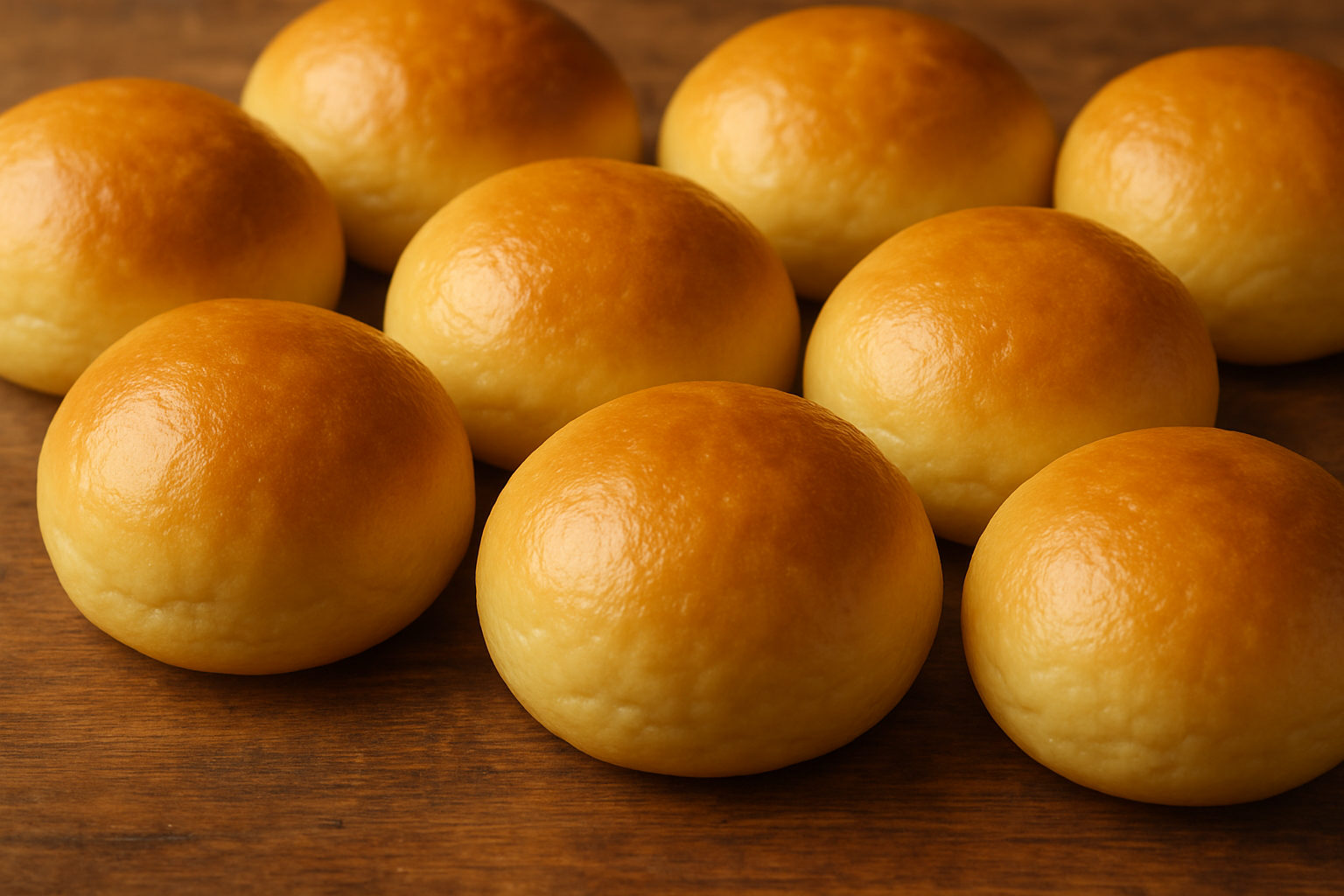
Discover how potato buns have become a worldwide sensation, redefining traditional baking and captivating taste buds across continents. From street vendors in Asia to artisan bakeries in Europe, these pillowy, slightly sweet rolls are more than a comfort food-they represent a culinary revolution.
Yet despite their surge in popularity, the global journey of potato buns often goes overlooked. How did a humble variation on the classic bun climb the ranks to dominate menus from New York to Tokyo? And what factors have driven their rapid adoption by chefs, food influencers, and home bakers alike?
This article uncovers the historical roots, cultural significance, and modern trends fueling the rise of potato buns:
- Tracing the origins and evolution of potato-based bread.
- Examining regional adaptations and flavor innovations.
- Analyzing market data on consumer demand and bakery sales.
Expert insights from culinary historians and market analysts illuminate why potato buns resonate with today’s consumers-combining nostalgia, texture, and versatility in one bite.
Leveraging recent surveys on bakery trends, interviews with pioneering bakers, and global sales figures, we’ll reveal how this simple loaf conquered international palates. Prepare to explore the surprising backstory and future prospects of potato buns, a staple that’s transforming the way we think about bread.
The History of Potato Buns
Origins in Europe
The story of the potato bun begins in Europe, where the humble tuber first sparked culinary curiosity and eventually revolutionized breadmaking. After Spanish explorers introduced the potato to Europe in the mid-1500s, it was botanists and agronomists who championed its nutritional value and baking potential.
- Early Adoption
- Mid-16th century: Potatoes arrive in Spain and Antwerp, viewed as botanical novelties.
- Late 16th–17th centuries: Slow acceptance among farmers; most Europeans remained wary.
- Scientific Endorsement
- 1774: French agronomist Antoine Parmentier publishes a glowing analysis of potato nutrition, encouraging its inclusion in breads.
- Royal patronage in France follows, driving large-scale cultivation to support bakers.
Parmentier’s advocacy not only saved countless communities from grain shortages but also paved the way for richer, moister breads that could stretch scarce wheat supplies further.
Below is a timeline highlighting key milestones in Europe’s potato-bun evolution:
| Period | Key Development |
|---|---|
| 1567 | First recorded potato shipment to Antwerp |
| 1774 | Publication of Parmentier’s potato research |
| Early 1800s | Surge in potato-enriched breads in France |
| 1838–1840s | Potato breads adopted widely across Prussia |
| Late 19th century | Rural bakeries in Russia produce “potato rolls” |

Introduction to the Americas
While Europe cultivated its potato-enriched doughs, the concept of a soft, enriched bun first blossomed in North America. By mid-20th century, industrial bakeries sought alternatives to classic wheat rolls, aiming for a tender crumb and extended freshness.
-
Industrial Innovation
- 1958: Martin’s Famous Pastry Shoppe in Pennsylvania launches its signature potato roll, blending mashed potato and potato flour into enriched dough.
- Immediate acclaim among diners for its pillowy texture and subtle sweetness.
-
Culinary Adoption
- 1970s–1980s: Upscale burger joints and sandwich shops begin specifying potato buns for premium builds.
- Renowned chefs and restaurateurs praise the roll’s capacity to hold sauces without sogginess.
| Feature | Traditional Wheat Roll | Potato Bun |
|---|---|---|
| Texture | Dense, slightly chewy | Soft, springy |
| Shelf Life | 1–2 days | 3–4 days (higher moisture retention) |
| Flavor Profile | Neutral | Mildly sweet, rich |
| Culinary Use | Everyday sandwiches | Burgers, gourmet sandwiches, sliders |
Tip: Potato buns excel at balancing juicy fillings with structural integrity, making them a favorite in both fast-casual and fine dining.
In just a few centuries, the potato bun has journeyed from experimental European loaves to an iconic North American staple, setting the stage for its ongoing global ascent.
Global Cultural Significance
The humble potato bun has transcended its origins to become a vibrant global trend, weaving itself into diverse cultural tapestries. From street‐food stalls in Asia to artisan bakeries across Europe and North America, these soft, subtly sweet buns reflect history, innovation, and local tastes.
Asia’s Take on Potato Buns
In many Asian countries, potato buns have been reimagined through regional flavors and techniques:
-
Japan
- Korokke‐pan: Crispy potato croquette stuffed into a soft bun, topped with tangy tonkatsu sauce.
- An‐imo potato bun: A fusion of sweet red bean paste and mashed potato, offering a balance of textures.
-
Korea
• Gamja‐ppang: Fish‐shaped molds filled with seasoned potato mash and sweet fillings, sold in street markets.
• Baked potato buns: Often infused with kimchi or gochujang for a savory kick. -
China
• Shāobǐng with potato: Layered flatbread sometimes incorporating grated potato for extra flakiness.
• Steamed potato buns: Light, pillowy buns where potato starch enhances moisture retention.
Tip: Adding mashed potato to dough increases moisture and softness, a trick long used by home bakers across Asia.
| Country | Local Name | Key Ingredient | Cultural Role |
|---|---|---|---|
| Japan | Korokke‐pan | Potato croquette | Casual snack, convenience stores |
| Korea | Gamja‐ppang | Seasoned potato mash | Street food staple, winter comfort treat |
| China | Steamed potato bun | Potato starch | Dim sum menus, breakfast teahouses |
European and American Innovations
Across Europe and North America, potato buns have evolved from survival foods into gourmet staples:
-
Ireland & Germany:
- Potato bread (“fadges”) in Ireland emerged during wheat shortages, symbolizing resilience.
- Germany’s wartime K-Brot blended up to 20% potato into rye loaves, a reminder of hardship and adaptation.
-
United States:
Martin’s Famous Pastry Shoppe in Pennsylvania popularized the potato roll in the mid-20th century. Its tender crumb and slight sweetness set the “gold standard” for burger buns among chefs and consumers alike. According to Martin’s Famous Pastry Shoppe, these rolls now feature in major foodservice chains and home kitchens.
| Region | Traditional Name | Potato Ratio in Dough | Modern Context |
|---|---|---|---|
| Ireland | Fadge/Boxty | 10-20% | Traditional breakfasts, festive platters |
| Germany | K-Brot | 5-20% | Historical exhibit in culinary museums |
| United States | Potato roll | 10-15% | Craft burgers, deli sandwiches, fast-casual menus |
Insight: In Europe, potato buns often carry historical weight-reminders of wartime scarcity-while in America they symbolize comfort and indulgence in modern dining.
The cross‐continental embrace of potato buns highlights how a single ingredient can unite disparate cultures, reflecting local histories, tastes, and innovations.
The Future of Potato Buns
As consumer tastes evolve toward ethical, convenient and plant-based options, potato buns are poised to outpace traditional bread in global bakeries and foodservice outlets. Market projections anticipate strong growth, driven by novel formulations and sustainability commitments from key industry players.
Sustainability and Innovations
Major processors are embedding eco-friendly practices across the potato bun supply chain:
- Regenerative Agriculture
- Over 70% of contracted potato farmers are adopting soil-health and water-conservation methods.
- Targets aim for 100% regenerative acreage by 2030, reducing carbon footprints at the source.
- Ingredient Advancements
• Shift to organic and modified potato starches enhances moisture retention without artificial emulsifiers.
• Incorporation of heritage potato varieties adds flavor complexity and nutrition.

Key Insight: Clean-label demands are accelerating R&D in starch modification and fiber enrichment, ensuring potato buns meet both taste and nutritional expectations.
A detailed look at forward-thinking trends:
| Trend | Impact on Potato Buns | Timeline |
|---|---|---|
| Plant-based fortification | Boosts protein and fiber content | 2025–2027 |
| Zero-waste bakeries | Utilizes peel byproducts for flavoring | 2026 onwards |
| Renewable energy in baking | Reduces processing emissions by up to 30% | 2025–2030 |
| Smart packaging materials | Extends shelf life with biodegradable films | 2027 onwards |
According to global market research, the potato processing sector is expected to reach USD 47.7 billion by 2034, fueling wider adoption of potato buns in retail and foodservice. Meanwhile, the Food and Agriculture Organization underscores potatoes as a highly efficient staple, recommending climate-smart farming and cold-chain improvements to maximize resource efficiency and reduce post-harvest losses (FAO recommendations).
- Investment in sustainable sourcing will strengthen brand reputations.
- Innovations in texture and flavor will differentiate potato buns in a crowded market.
- Collaboration between growers, processors and retailers will ensure resilient, scalable supply chains.
Tip: Restaurant menus that feature “sustainably sourced potato buns” can command premium pricing and appeal to eco-conscious diners.
Ready to elevate your kitchen creations? Panco Buns by Personal brings you the ultimate solution for mastering the potato bun phenomenon. After exploring the global rise of these soft, flavorful snacks, it’s time to take action and taste the difference yourself.
Imagine offering your guests burgers and sandwiches built on artisan-crafted buns with perfect golden crusts and pillowy interiors. Personal’s Panco Buns addresses the exact challenges highlighted in our article: consistency, long shelf life, and culinary flexibility. Whether you’re a restaurant professional seeking a reliable premium supplier or a home cook craving bakery-quality results, Panco Buns delivers.
Get started with these simple steps:
- Visit https://www.pancobuns.com to browse our full range of potato buns and specialty rolls.
- Order a sample pack to experience the unmatched texture and flavor that’s winning hearts worldwide.
- Connect with our team to customize bulk orders or explore co-branding opportunities for your menu.
Don’t settle for ordinary bread when you can elevate every burger, sandwich, or slider with Panco’s artisanal craftsmanship.
By choosing Personal’s Panco Buns, you’re tapping into streamlined logistics, consistent quality, and versatile options that adapt to any kitchen scale. Ready to impress customers or delight loved ones at home? Try potato buns and explore their potential in your kitchen. Your next-level snacking journey starts with one click-unlock the art of perfect buns today!
Frequently Asked Questions
Q1: What makes potato buns different from traditional bread rolls?
Potato buns stand out due to their unique texture and flavor profile. Unlike conventional bread rolls, they incorporate mashed or riced potatoes into the dough, resulting in a softer crumb, enhanced moisture retention, and a subtly sweet taste. The added potato starch also prolongs shelf life and improves day-old freshness. Artisanal and commercial bakers alike appreciate how this simple twist elevates menu offerings, from gourmet burger buns to delicate slider rolls. For home bakers, the process remains approachable, with basic pantry staples and minimal technique adjustments needed to achieve that signature fluffiness.
Q2: How did potato buns gain international popularity?
Potato buns’ global ascent is rooted in culinary cross-pollination and social media influence. Chefs in North America first popularized them in the 1980s, but the trend reignited in the 2010s as food bloggers highlighted their versatility. Instagram and TikTok amplified viral burger showcases, with eateries from Tokyo to Berlin adopting potato buns to differentiate signature sandwiches. Consumer surveys reveal a growing preference for moisture-rich, pillowy breads, driving major fast-food chains and independent bakeries worldwide to experiment with potato dough recipes and seasonal flavor infusions.
Q3: Can home bakers successfully make potato buns without specialized equipment?
Absolutely. Home bakers don’t need professional mixers or steam ovens to craft bakery-quality potato buns. A stand mixer with a dough hook simplifies kneading, but manual mixing and hand kneading work just as well if you allot extra effort. Steaming can be mimicked by placing a pan of hot water beneath the baking shelf, creating a humid environment for optimal crust formation. Key tips include using room-temperature ingredients, allowing ample proofing time, and gently shaping buns to preserve air pockets-ensuring soft, tender results in any home kitchen.
Leave a Reply