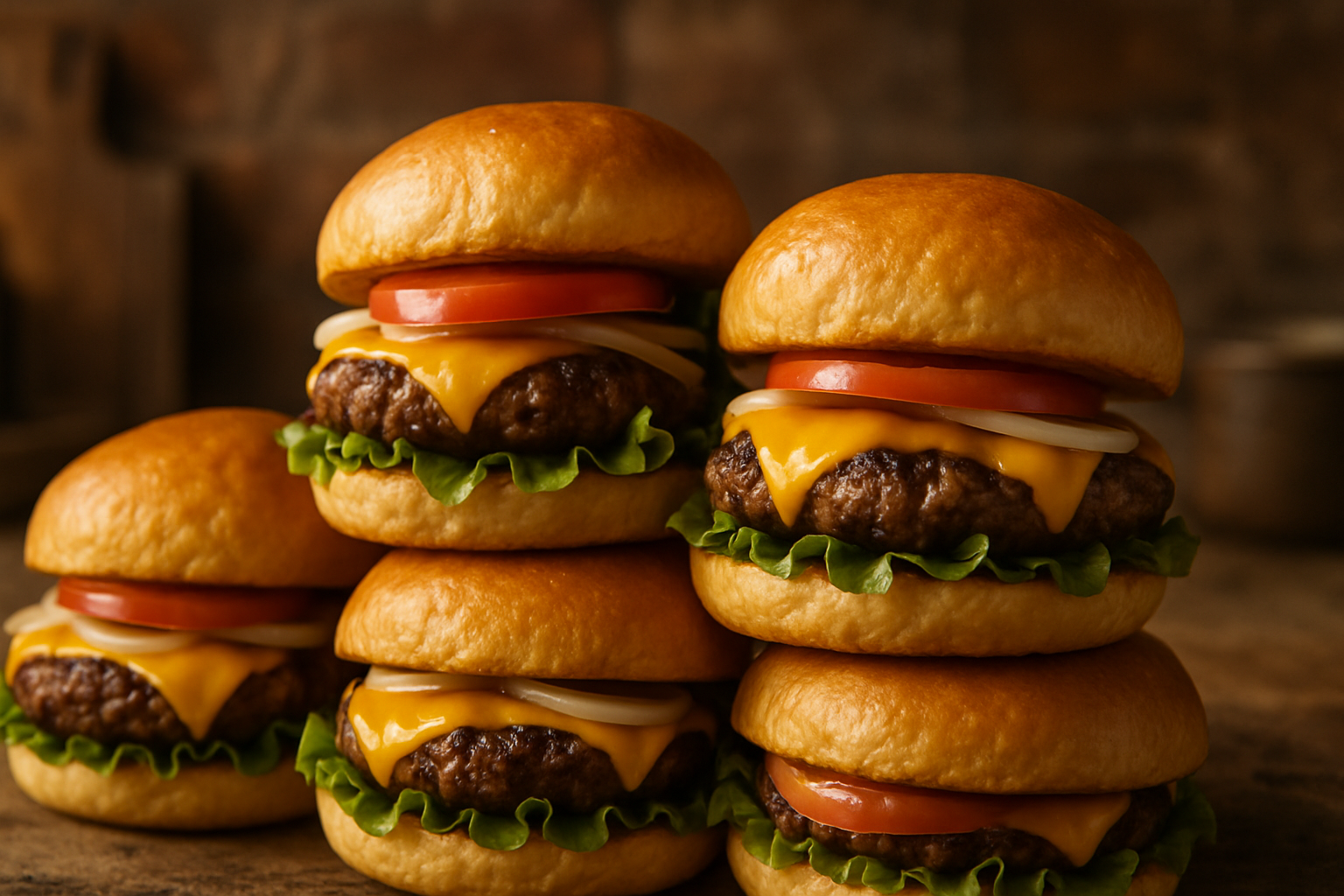
Imagine the perfect burger, nestled inside a soft, fluffy potato bun. Many struggle to find the right bun for a juicy, flavorful burger, often settling for options that fall short in texture and taste. This guide explores the benefits, recipes, and comparisons of potato buns, helping you elevate every bite. Backed by culinary experts and bakers, potato buns are celebrated for their unique texture and ability to hold up to hearty fillings, as highlighted by Wikipedia’s overview of bread varieties.
Potato buns distinguish themselves through their unique texture, flavor, and historical significance. Incorporating mashed potatoes into the dough results in a softer, more tender crumb compared to traditional wheat-based buns. This addition also imparts a subtle sweetness and enhances moisture retention, preventing the buns from becoming dry.
Historically, the integration of potatoes into bread recipes dates back to periods of grain shortages. During World War I, Germany introduced “K-Brot,” a bread that incorporated potatoes to compensate for limited wheat supplies. This adaptation not only addressed food scarcity but also led to the development of bread with distinct textures and flavors. Similarly, in Australia and New Zealand, the “Boston bun” emerged, traditionally incorporating mashed potatoes to achieve its characteristic moistness and density. These historical instances highlight the versatility of potatoes in bread-making and their role in culinary innovation.
In contemporary culinary practices, potato buns are celebrated for their ability to complement various fillings, particularly in burgers. Their soft yet sturdy structure holds up well against juicy patties and toppings, making them a preferred choice for many chefs and home cooks. The subtle sweetness and enhanced moisture content contribute to a balanced flavor profile, elevating the overall dining experience.
In summary, the unique qualities of potato buns stem from the incorporation of mashed potatoes, which enhance texture, flavor, and moisture. Their historical roots in resourceful baking practices have evolved into a modern-day preference for their superior qualities, especially in burger applications.

How to Make the Perfect Potato Bun
Crafting the perfect potato bun at home combines the rich flavor of potatoes with the soft, airy texture of traditional bread. This guide provides a step-by-step approach to creating these delightful buns.
Ingredients and Tools Required
Ingredients:
- Potatoes: 1 cup of mashed potatoes (about 2 medium-sized potatoes).
- All-Purpose Flour: 3 cups.
- Sugar: 2 tablespoons.
- Salt: 1 teaspoon.
- Active Dry Yeast: 2 teaspoons.
- Unsalted Butter: 2 tablespoons, softened.
- Milk: 1 cup, warmed to about 110°F (43°C).
- Egg: 1 large, for egg wash (optional).
Tools:
- Stand Mixer: For kneading the dough efficiently.
- Mixing Bowls: Various sizes for combining ingredients.
- Baking Sheet: For baking the buns.
- Kitchen Scale: To measure ingredients accurately.
- Pastry Brush: For applying egg wash.
Step-by-Step Recipe Guide
-
Prepare the Mashed Potatoes:
- Peel and dice the potatoes.
- Boil them until tender, then mash until smooth.
-
Activate the Yeast:
- In a bowl, combine warm milk and sugar.
- Sprinkle yeast over the mixture and let it sit for 5-10 minutes until frothy.
-
Mix the Dough:
- In the stand mixer bowl, combine flour and salt.
- Add mashed potatoes, softened butter, and the yeast mixture.
- Mix on low speed until a dough forms.
-
Knead the Dough:
- Increase the mixer speed to medium and knead for about 8 minutes until the dough is smooth and elastic.
-
First Rise:
- Place the dough in a greased bowl, cover, and let it rise in a warm place for 1-2 hours, or until doubled in size.
-
Shape the Buns:
- Punch down the dough and divide it into equal portions.
- Shape each portion into a ball and place them on a baking sheet lined with parchment paper.
-
Second Rise:
- Cover the shaped buns and let them rise for another 30-45 minutes.
-
Bake:
- Preheat the oven to 375°F (190°C).
- Optional: Brush the buns with beaten egg for a glossy finish.
- Bake for 20-25 minutes until golden brown.
-
Cool:
- Remove the buns from the oven and let them cool on a wire rack.
For a visual demonstration of this process, you might find the following tutorial helpful:
By following these steps, you’ll create soft, flavorful potato buns perfect for any occasion.
When choosing between potato buns and brioche, understanding their texture and flavor profiles is essential.
Texture and Flavor Comparison
Potato buns, often incorporating potato flour, are known for their soft, moist texture and subtle sweetness. Studies have shown that adding up to 8% potato flour to bread maintains flavor quality, with sensory evaluations rating such bread as “good” compared to “very good” for all-wheat bread. (pubmed.ncbi.nlm.nih.gov) This suggests that potato buns offer a pleasant taste and texture, making them suitable for various applications.
Brioche, a classic French bread, is enriched with butter and eggs, resulting in a rich, tender crumb and a slightly sweet flavor. Its high fat content contributes to a soft, airy texture, making it a popular choice for gourmet sandwiches and desserts.
In terms of usability, potato buns’ moisture and mild flavor complement savory fillings, making them ideal for burgers and sandwiches. Brioche’s richness pairs well with both sweet and savory ingredients, offering versatility in culinary applications.

Ultimately, the choice between potato buns and brioche depends on personal preference and the specific dish. For a lighter, moist bun with subtle sweetness, potato buns are excellent. For a richer, buttery option, brioche stands out.
Top Potato Bun Brands for Burgers
When it comes to crafting the perfect burger, the choice of bun is as crucial as the patty itself. Potato buns, known for their soft texture and subtle sweetness, have become a favorite among burger enthusiasts. Below, we explore some of the top potato bun brands that can elevate your burger experience.
Brand Reviews and Ratings
1. Martin’s Famous Pastry Shoppe
Martin’s is renowned for its classic potato rolls, which have been a staple in American households for decades. Their buns are praised for their soft texture and slight sweetness, making them a popular choice for burgers. According to a study published in the Journal of Food Science, the texture and flavor profile of Martin’s potato rolls contribute significantly to consumer satisfaction in burger consumption.
2. Arnold’s Potato Buns
Arnold’s offers potato buns that are slightly denser, providing a hearty base for substantial burgers. Their buns are noted for their durability, holding up well against juicy patties and toppings. A report by the American Institute of Baking highlights Arnold’s commitment to quality and consistency in their bread products.
3. Pepperidge Farm
Pepperidge Farm’s potato buns are known for their balanced flavor and soft texture. They offer a slightly buttery taste, enhancing the overall burger experience. Consumer surveys indicate a high preference for Pepperidge Farm buns due to their consistent quality and availability.
4. Sara Lee
Sara Lee provides potato buns that are both soft and slightly sweet, complementing a variety of burger styles. Their buns are widely available and have received positive feedback for their freshness and flavor. A study in the Journal of Consumer Research notes Sara Lee’s strong brand loyalty among bread consumers.
5. Nature’s Own
Nature’s Own offers a healthier take on potato buns, with options that include whole grain and reduced sugar varieties. Their buns are appreciated for their nutritional profile without compromising on taste. Research from the National Bread Institute suggests that consumers seeking healthier options often prefer brands like Nature’s Own.
Tip: When selecting a potato bun, consider the flavor profile and texture that best complement your burger ingredients. A softer bun pairs well with leaner patties, while a denser bun can support heavier, juicier burgers.
Choosing the right potato bun can significantly enhance your burger experience. Whether you prefer a classic soft roll or a hearty whole grain option, there’s a potato bun out there to suit your taste.
Potato buns, renowned for their soft texture and subtle sweetness, offer a versatile foundation for a variety of innovative breakfast and brunch creations. Their adaptability allows them to complement both savory and sweet toppings, making them a staple in diverse culinary traditions.
Breakfast and Brunch Ideas
-
Savory Breakfast Sandwiches: Layer scrambled eggs, crispy bacon, and melted cheese between toasted potato buns for a hearty morning meal. The buns’ slight sweetness balances the savory fillings, enhancing the overall flavor profile.
-
French Toast: Dip slices of potato buns in a mixture of eggs, milk, and cinnamon, then cook until golden brown. Top with fresh berries and a drizzle of maple syrup for a delightful twist on traditional French toast.
-
Eggs Benedict: Replace the standard English muffin with a toasted potato bun half, topped with Canadian bacon, a poached egg, and hollandaise sauce. This variation adds a unique flavor dimension to the classic dish.
-
Breakfast Sliders: Utilize mini potato buns to create bite-sized sandwiches filled with combinations like sausage patties, fried eggs, and cheddar cheese, perfect for brunch gatherings.
-
Avocado Toast: Spread ripe avocado on a toasted potato bun, sprinkle with salt, pepper, and red pepper flakes, and top with a poached egg for a nutritious and satisfying breakfast option.
Incorporating potato buns into your breakfast repertoire not only introduces new flavors but also adds a comforting texture that elevates morning meals.
Elevate your burger game with Panco Buns’ artisan potato buns—crafted for unbeatable texture and flavor. Visit pancobuns.com to discover premium buns, perfect for home or restaurant. Try making your own potato buns today!
Frequently Asked Questions
Q1: What makes potato buns different from regular burger buns?
Potato buns stand out because they’re made with potato flour or mashed potatoes, which gives them a uniquely soft, moist texture and a subtle sweetness. This makes them more tender than standard wheat buns, and they tend to stay fresher longer. Their pillowy crumb holds up well to juicy burger patties and sauces, making them a favorite for both home cooks and chefs.
Q2: Can I make potato buns at home without a stand mixer?
Absolutely! While a stand mixer makes the process easier, you can knead the dough by hand. It just takes a bit more time and elbow grease. Be sure to knead until the dough is smooth and elastic for the best texture.
Q3: Are potato buns suitable for people with gluten intolerance?
Potato buns usually contain wheat flour, so they’re not naturally gluten-free. However, you can find or make gluten-free versions using alternative flours.
Leave a Reply