
Quick Summary: AI-powered SEO tools from Semrush, Ahrefs, Surfer, and Conductor now track brand mentions in AI answers, score content for both search and AI visibility, and turn citation data into prioritized fixes. These updates shift teams from manual research to reviewing AI-suggested gaps, but Google stresses that strong SEO basics still matter. Use the tools to audit and plan, but always validate suggestions with real data and human judgment before publishing.
AI-powered SEO tool updates now sit inside daily workflows, not test dashboards. Semrush, Surfer, Ahrefs, and Conductor added AI visibility, source, scoring, forecast, and execution features across 2025 and 2026. These AI-powered SEO tool updates matter because AI answers and search rankings can favor different pages. This report reviews verified AI-powered SEO tool updates, showing what each measures, automates, and helps teams improve.
The New AI Optimization Features Marketers Can Use Now
From AI Answers Back to Search Queries
AI visibility tools now trace a brand mention in AI answers back to the prompts and search themes behind it. Use that view to find unanswered follow-up questions, then strengthen the page AI systems already reference. Google says AI Mode can expand one question into many related searches through query fan-out, so single-keyword planning is no longer enough. Google’s guidance confirms that core SEO still matters.
- Track cited pages and missing questions.
- Add direct answers, proof, and internal links.
Content Scores Now Combine SEO and AI Search
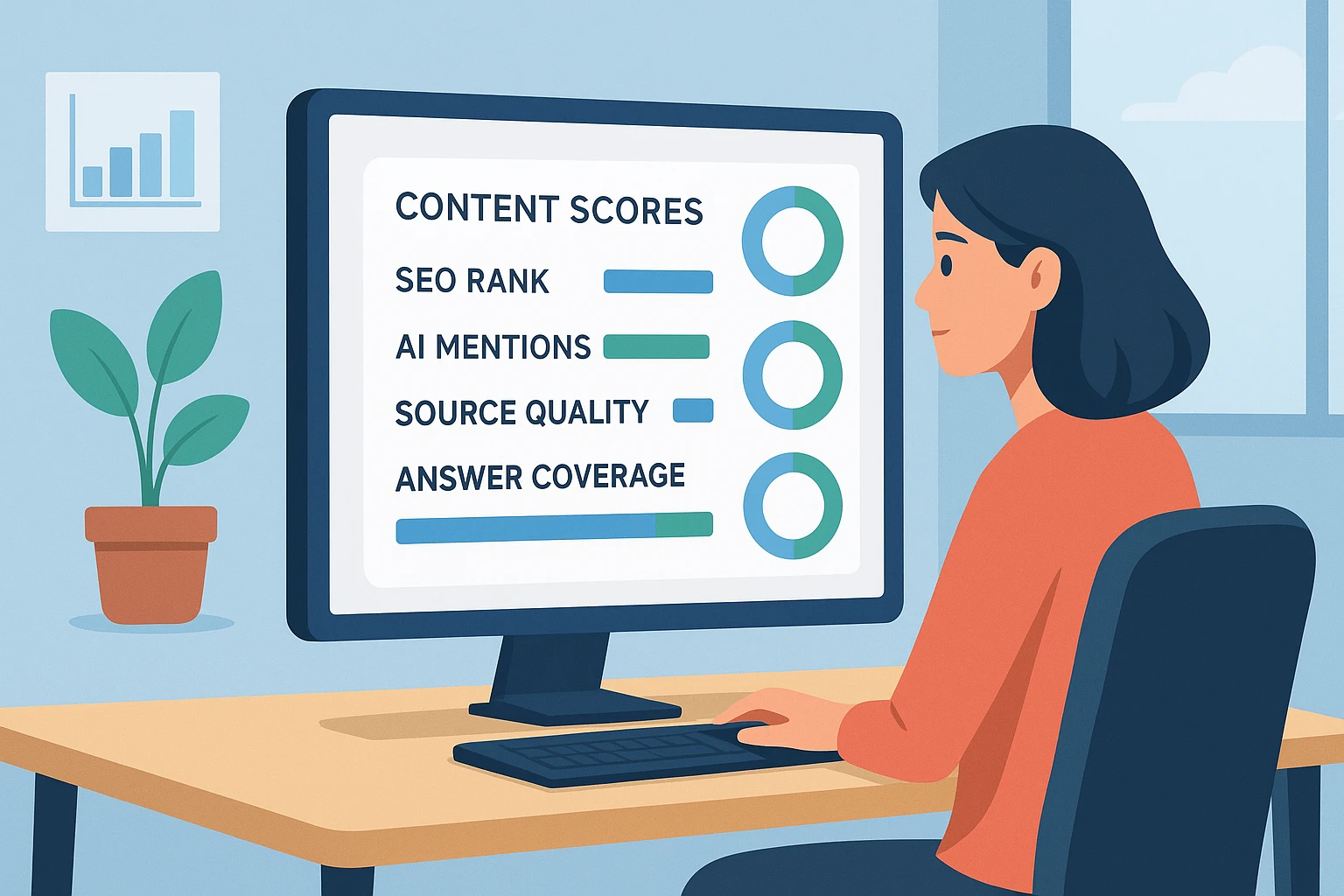
Content scoring is shifting from keyword use alone to search rank, AI mentions, source quality, and answer coverage.
| Score signal | Action |
|---|---|
| Missing follow-up | Add a short answer section |
| Weak proof | Add expert evidence |
| AI mention loss | Compare cited rivals |
Do not chase a separate AI markup trick. Google says eligible indexed pages need no extra technical requirement for AI features.
Also Read: SnowSEO – Your Last SEO Platform
How Major Platforms Are Turning Measurement Into Optimization
Audits, Forecasts, and Prioritization
AI SEO tools now flag more than rank drops. They map pages to prompts, find weak topic coverage, and rank fixes by likely impact. Semrush Enterprise, for example, matches pages with AI prompts and highlights coverage gaps through its Content Audit release.
- Audit high-value pages.
- Sort gaps by business intent.
- Fix the strongest page-to-prompt mismatch first.
Do not treat a score as a result. Check whether the suggested change improves the answer for a real buyer.
Citation Data and Content Execution
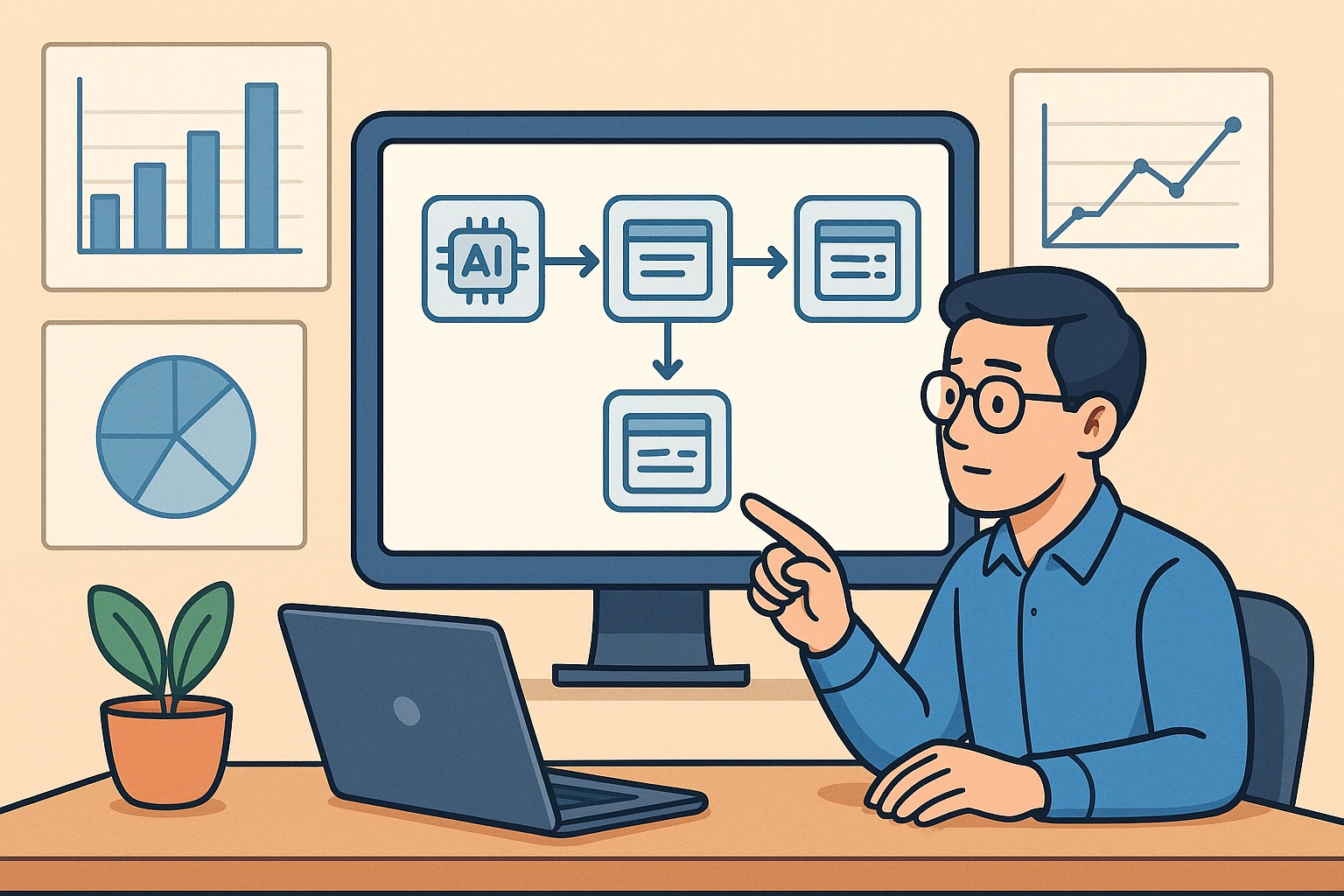
Citation tracking now feeds directly into briefs and edits. Platforms show which pages and third-party sources appear in AI answers, then surface missing prompts or topics. Semrush tracks cited pages, competitors, and daily prompt visibility across AI systems in its AI Visibility Toolkit.
| Signal | Practical action |
|---|---|
| Missing citation | Build or improve the matching page |
| Rival source cited | Pitch that publisher or add stronger proof |
| Weak prompt coverage | Add a direct answer and supporting detail |
- Review citations monthly.
- Assign one owner per priority page.
- Recheck after publishing.
Also Read: 10 Best Tools for Competitor SEO Analysis in 2024
What These Updates Change for Marketing Teams
AI features now shift work from manual research to review and choice. Ahrefs lets teams use AI to group search intent, suggest keywords, and spot content gaps, as outlined in its AI feature guide.
Use the time saved for work AI cannot own:
- Check whether suggested topics match buyer needs.
- Assign a human owner to approve briefs and edits.
- Track brand mentions in AI answers alongside rankings.
| Team task | Old workflow | New workflow |
|---|---|---|
| Keyword research | Sort lists by hand | Validate AI clusters |
| Content updates | Find gaps page by page | Review AI-led gaps |
| Reporting | Pull metrics from tools | Explain changes and next actions |
Tip: Treat AI output as a first draft, not a publish button. Wrong intent can waste a full content sprint.
Ahrefs Brand Radar also tracks mentions in ChatGPT and Perplexity, giving teams a reason to measure AI visibility separately.
Also Read: 7 SEO Tools for Technical Audits, Content, and Visibility
Why SEO Platforms Are Adding AI Optimization
Search results now answer more questions before users click. Reuters reports that Google AI Overviews place generated summaries above standard links, changing how brands earn visibility in search.
SEO platforms are adding AI features because teams need to track more than rankings. They need to see:
- Whether AI tools cite their brand
- Which prompts trigger competitor mentions
- What content gaps block visibility
Rankings still matter, but answer-engine citations now need their own reporting and content plan.
| Old SEO focus | AI optimization focus |
|---|---|
| Keyword position | Brand and source citations |
| Clicks | Presence in generated answers |
Turn AI SEO features into measurable work. Use SnowSEO to audit, plan, create, track, and improve search and AI visibility from one platform.
Frequently Asked Questions
Q1: Which recent SEO tool updates add AI-powered optimization for marketers worldwide?
Platforms now add AI content briefs, site issue fixes, prompt tracking, and search intent checks. Compare output against real rankings before you act.
Q2: Should AI suggestions replace SEO review?
No. Check facts, brand tone, links, and search intent. Use AI to speed up research and drafts.
Q3: What should teams measure first?
Track rankings, clicks, indexed pages, and leads. Set a baseline before testing any AI feature.
Conclusion
AI tools now speed up research, fixes, and monitoring. Still, judge every suggestion with data and expert review. Google confirms strong SEO basics remain central to AI search visibility.
Leave a Reply