Tag: Digital Marketing

  • AI Search Visibility Is Reshaping Digital PR Campaigns

    AI Search Visibility Is Reshaping Digital PR Campaigns

    Quick Summary: AI search has flipped digital PR’s goal: brand mentions in AI answers now matter about three times more than backlinks, with a 0.664 correlation versus 0.218. Campaigns should target sources AI engines actually cite, build verifiable data assets with named entities and hard evidence, and track exposure, evidence, and business impact separately. Tools like SnowSEO can monitor brand mentions across ChatGPT, Perplexity, and AI Overviews, since a link report alone can hide sentiment dips or dropped mentions.

    AI search visibility digital PR teams now track two outcomes: publisher links and brand mentions in AI answers. Semrush found branded web mentions correlate 0.664 with AI Overview visibility, while backlinks score just 0.218. So a campaign can win referring domains and still miss the answer layer. The fix: AI search visibility digital PR campaigns should pair editorial links with consistent, verifiable brand evidence. That is where AI search visibility digital PR is heading in 2026.

    The Link Is No Longer the Whole PR Outcome

    A placement used to count as a win if it earned a link. In AI search, the link is only part of the outcome. Engines quote what coverage says, not just where it points. When AI summarizes an article, brands often vanish. Connective3 found 43% of brand mentions get dropped during AI summarization, even when the link is live.

    Three Signals Campaigns Should Track Separately

    Signal What It Measures Why It Matters
    Brand mentions How often your brand appears in AI answers Correlates about 3x stronger with AI visibility than backlinks, per Ahrefs data
    Citations How often AI cites your domain as a source Shows authority, not just presence
    Sentiment Whether AI frames your brand positively or negatively The least stable signal – it flips far more often than mentions

    Track all three per engine. SnowSEO handles this in one place, so a link report never hides a sentiment dip.

    A modern analytics dashboard displaying three distinct metric panels
    A modern analytics dashboard displaying three distinct metric panels

    Also Read: Digital PR vs Guest Posting for AI Search Authority

    Digital PR Campaigns Must Target Retrieval-Worthy Sources

    AI engines pick sources before they pick brands. So your outreach should start with one question: where do these engines actually look for answers?

    Build a Source Map Before Building a Prospect List

    Don’t chase raw domain authority anymore. Map the outlets that already show up in AI answers for your query set. Run 20-30 buyer questions through ChatGPT, Perplexity, and Gemini, then log every cited domain. Research across 8,000 citations shows each engine leans differently – ChatGPT favors encyclopedias and major news, while Perplexity pulls expert review sites and niche blogs. Engine-specific maps beat one-size outreach. Rank your findings like this:

    1. Tier 1: Wikipedia, top trade press, and comparison portals.
    2. Tier 2: niche blogs and review platforms.
    3. Tier 3: forums and Q&A sites.

    Pitch Tier 1 first, and pitch data those sites can cite. Tools like SnowSEO can track which domains AI answers actually pull from, so you build the list on evidence.

    Marketer mapping cited domains beside AI logos
    Marketer mapping cited domains beside AI logos

    Also Read: 10 Best Tools for Competitor SEO Analysis in 2024

    The Campaign Brief Is Moving From Link Volume to Evidence

    AI search rewards proof, not link counts. Brand mentions correlate with AI visibility at 0.664, three times stronger than backlinks at 0.218, per Ahrefs’ study of 75,000 brands. So modern briefs ask for verifiable claims a model can quote.

    Create Assets Publishers Can Verify and Reuse

    Build assets that answer one question clearly:

    1. Original data – surveys, benchmarks, or anonymized client numbers journalists can cite as the source.
    2. Named entities – state the brand, product, and category explicitly.
    3. Evidence next to claims – attach the number, time period, and scope directly to each statement, the pattern citation-readiness research calls “hard edges.”
    4. Standalone structure – every section should work if copied into an AI answer.

    Vague claims like “trusted by teams” earn nothing. Specific, checkable facts earn both links and citations.

    Also Read: 7 GEO Optimization Tools for Brand Visibility in AI Answers

    How Teams Should Measure the New PR Scorecard

    Stop grading campaigns by backlinks alone. In AI search, a link is just one of three signals that matter. Track all three layers in every campaign report:

    1. Exposure: How often does the campaign’s target prompt surface your brand in ChatGPT, Perplexity, or AI Overviews? Run 20-30 prompts, note mentions, and calculate your mention rate.
    2. Evidence: Is your campaign page cited as a source, or is a third-party site owning the story? Log the exact URLs AI platforms cite.
    3. Business impact: Watch branded search volume, direct traffic, and AI-referred sessions after each campaign ships.
    Layer What It Answers Metric
    Exposure Are we in the answer? Mention rate
    Evidence Do they cite our page? Citation rate
    Impact Did it move the business? Branded searches, AI-referred traffic

    Semrush notes that AI answers often satisfy the query before a click happens, so traffic can stay flat while visibility grows Semrush. Translation for stakeholders: report “AI now recommends us in nearly half of category answers,” not raw prompt percentages. That’s how SnowSEO frames it too – exposure and evidence first, clicks second.
    Homepage
    Homepage

    Want to know if ChatGPT and Claude mention your brand? SnowSEO tracks your AI search visibility and shows exactly how to improve it. Start your free audit today.

    Frequently Asked Questions

    Q1: How is the rise of AI search changing digital PR and link acquisition campaigns?

    AI assistants cite sources, not just rankings. PR teams now chase mentions in publications AI models trust, so brand citations matter as much as links.

    Q2: Do links still matter for AI visibility?

    Yes. Links plus brand mentions in credible content help AI engines cite you.

    Q3: How can I track visibility on ChatGPT or Claude?

    Tools like SnowSEO monitor where your brand appears across AI platforms, so you can fix gaps early.

    Conclusion

    AI search has flipped the goal: brand mentions now matter more than raw links. With earned media driving the vast majority of AI citations, digital PR is the new link building. Track mentions per platform, and the citation gap widens for those who wait.

  • 7 Link Building Services for AI Search Authority

    7 Link Building Services for AI Search Authority

    Quick Summary: Quality backlinks from trusted sites now matter more than volume, especially for AI search visibility, since tools like ChatGPT cite brands repeated in credible sources. The article compares seven link building services, ranking SnowSEO first for its integrated platform that ties outreach to content, rankings, and AI mention tracking, while Previsible suits enterprises with editorial PR and LinkGathering offers transparent process-led campaigns. Choose based on your need for integrated workflows versus managed outreach, and always check relevance, transparency, and measurement upfront.
    A backlink can lift a page, but the best link building services now also create the third-party proof that AI systems check before mentioning your brand. Problem is, quality varies wildly between agencies, marketplaces, and platforms. A strong domain score tells you little about relevance or editorial credibility. We compared seven services on process, safeguards, reporting, and AI-search fit. SnowSEO leads for teams linking outreach to content, tracking, and AI visibility.

    Quick Comparison of Link Building Services

    Service Best for Primary approach AI search fit Delivery model
    SnowSEO Founders, agencies, and marketing teams Integrated SEO, content, backlink, and AI visibility workflows AI mention tracking and GEO-focused execution Self-serve platform with campaign and publishing workflows
    Previsible Enterprise brands and growth teams Editorial links, citations, mentions, and digital PR Strong focus on AI citations and trusted third-party evidence Managed strategic service
    LinkGathering SEO teams and agencies wanting process visibility Audited editorial placements and curated publisher selection Relevant when campaigns prioritize credible, topical publishers Managed service plus self-serve marketplace
    Page One Power Brands seeking specialist manual outreach Handcrafted editorial outreach and content-led link earning Indirect but valuable through relevant third-party authority Fully managed agency service

    What to know about link building services

    Link building services help you earn mentions from sites people and search systems already trust. Quality beats quantity now. One relevant reference from a credible source does more than fifty random links.

    AI search raises the bar. ChatGPT and similar tools cite brands they see repeated in trusted places. So the real question is: does your campaign create consistent third-party proof linking your name to the topics you want to own?

    That’s the lens for the seven picks below.

    1. SnowSEO

    SnowSEO is the best integrated platform for link building plus AI search visibility. It pairs backlink campaign workflows with keyword research, content creation, and AI mention tracking. That suits founders, agencies, and lean teams who want authority work tied to real rankings, not scattered across separate tools.

    SnowSEO
    SnowSEO

    Highlights

    • Tracks backlinks, rankings, competitors, and AI mentions in one workspace
    • Supports topic clusters, internal and external linking, and CMS publishing
    • Delivers self-serve campaign workflows, so teams execute as well as measure

    Specs

    • Best for: Founders, agencies, and marketing teams
    • Primary approach: Integrated SEO, content, backlink, and AI visibility workflows
    • Delivery model: Self-serve platform with campaign and publishing workflows

    Pros

    • Connects link building with content, rankings, and AI visibility
    • Useful for agencies managing several SEO workflows in one place

    Cons

    • Specialist enterprise digital PR may still need a dedicated agency
    • Deep backlink forensics may require a specialist research tool alongside it

    It ranks first because its integrated workflow covers both conventional SEO execution and AI visibility monitoring.

    Last updated: September 22, 2026

    Also Read: GEO Optimization vs Traditional SEO: Which Drives AI Visibility?

    2. Previsible

    Previsible treats authority building as more than link volume: trusted editorial links, citations, brand mentions, and digital PR. It’s a managed strategic service built for established brands that need relationship-driven outreach and research-led stories.

    Previsible
    Previsible

    Highlights

    • Combines editorial links, citations, brand mentions, and digital PR
    • Manual outreach judged on topical relevance and editorial integrity
    • Targets rankings, referral traffic, and AI citations

    Specs

    • Best for: Enterprise brands and growth teams
    • Approach: Editorial links, citations, mentions, and digital PR
    • AI search fit: Strong focus on AI citations and third-party trust signals
    • Delivery: Managed strategic service

    Pros

    • Broad authority strategy, not just backlink volume
    • Strong fit for reputation-sensitive brands
    • Connects digital PR to measurable search outcomes

    Cons

    • Too enterprise-focused for very small businesses
    • Demands campaigns strong enough to earn editorial attention

    Previsible ranks here because it bridges traditional authority and AI visibility with a disciplined editorial model, ideal for brands with high competitive stakes.

    Last updated: September 22, 2026

    Also Read: How to Build Citation-Worthy Content for AI Search

    3. LinkGathering

    LinkGathering is best for a transparent, process-led editorial link campaign. Its managed service runs through four stages: audit, curate, gather, and amplify, so you can see how each step fits together. A self-serve publisher marketplace adds flexibility if you want more control.

    LinkGathering
    LinkGathering

    Highlights

    • Uses a defined audit, curation, outreach, and amplification workflow
    • Offers managed link building and a self-serve publisher marketplace
    • Provides publisher vetting and campaign reporting
    • Supports agencies through white-label services and dedicated account management

    Specs

    • Best for: SEO teams and agencies wanting process visibility
    • Primary approach: Audited editorial placements and curated publisher selection
    • AI search fit: Relevant when campaigns prioritize credible, topical publishers
    • Delivery model: Managed service plus self-serve marketplace

    Pros

    • Clear four-stage delivery framework
    • Offers both managed and self-serve buying paths
    • White-label support is useful for agencies

    Cons

    • Marketplace choice can increase quality-control responsibility
    • AI visibility measurement may need to be paired with a dedicated tracker

    It ranks third because its process is easy to evaluate, and its managed and self-serve options suit different levels of involvement.

    Last updated: September 22, 2026

    Also Read: How to Optimize Content for Generative Engine Results

    4. Page One Power

    Page One Power is best for manual, relationship-led white-hat link building. Its team handcrafts outreach and earns editorial links through real connections, not link networks. This suits brands that want a specialist to handle slow prospecting work.

    Page One Power
    Page One Power

    Highlights

    • Uses manual outreach and relationship-based acquisition instead of automated spam
    • Targets relevant, reputable sites over raw backlink volume
    • Creates original content designed to earn editorial links
    • Serves small businesses through large organizations

    Pros

    • Strong white-hat, relationship-led positioning
    • Focuses on relevance and lasting authority
    • Fits many industries and company sizes

    Cons

    • Not a unified AI visibility platform like SnowSEO
    • Results depend on content and outreach quality

    It ranks fourth because handcrafted editorial links build the third-party authority AI search still rewards.

    Last updated: September 22, 2026

    Other Link Building Services to Consider

    The four detailed picks cover the strongest all-around options, but your buying situation may need something more specialized. These runners-up fill the gaps:

    1. Loganix – A flexible choice for agencies needing marketplace access, managed placements, or white-label fulfillment.
    2. Searchbloom – A relevance-first provider focused on white-hat methods, useful content, and quality over volume.
    3. Interamplify – A strong fit for editorial campaigns spanning multiple countries, regulated industries, and digital PR.

    How to choose the right link building service

    • Match the model to your need. Want campaigns, content, rankings, and AI visibility in one workflow? Pick an integrated platform like SnowSEO. Only need managed editorial outreach? A specialist agency fits better.
    • Check relevance before authority. Ask about publisher topical overlap, real traffic, and editorial history – not just DR scores.
    • Demand transparency. Good providers show their outreach, content, and publisher review process. Avoid bulk directories and private networks.
    • Confirm page and market support. E-commerce needs product-page links; B2B needs research citations.
    • Define measurement up front. Track placements, referring domains, referral traffic, and AI citation share.
    • Be wary of guarantees. No one can promise a specific ranking or permanent AI mention.

    Tip: Start with one service that covers measurement, like SnowSEO, then add agency outreach only if you have gaps.

    Homepage
    Homepage

    Ready to turn quality links into AI search authority? SnowSEO tracks your visibility on Google and AI platforms in one place. Start your free trial today.

    Frequently Asked Questions

    Q1: Which link building services help brands build authority for traditional and AI search?

    Services that earn editorial mentions on trusted sites work best. SnowSEO tracks how those links affect both Google rankings and AI answers, while specialist tools like AthenaHQ or Peec AI focus only on AI visibility.

    Q2: How many backlinks do I need to show up in ChatGPT answers?

    There is no fixed number. AI platforms favor links from relevant, cited sources, so ten quality mentions can beat hundreds of low-value ones.

    Q3: Do links from AI-focused platforms replace traditional link building?

    No. Strong backlinks still feed the signals AI engines use. Use both: build links, then measure their impact with SnowSEO or a similar tool.

    Q4: How long before link building affects AI search visibility?

    Usually one to three months for search rankings. AI answers update as sources get recrawled, so expect four to eight weeks before you see changes.

  • How to Build Citation-Worthy Content for AI Search

    How to Build Citation-Worthy Content for AI Search

    Quick Summary: To get cited by AI search, create content with original proof, not just polished summaries. Lead with a clear answer, back it with verifiable data or firsthand tests, and keep the page technically clean so crawlers can index it. Measure visibility over time, but never promise citations, since Google offers no guaranteed formula.

    A page can rank well, then vanish when a buyer asks an AI tool for a recommendation. Often, the gap is not another keyword. It is a clear, checkable passage the system can retrieve and attribute.

    This guide shows how to create citation-worthy content for AI search with useful claims, original proof, clean structure, and sound technical setup. You will also learn how to measure citation-worthy content for AI search without making promises no one can prove.

    Step 1: Choose a Question You Can Answer Better Than a Summary

    Build a Question Map

    Pick questions where your team has proof, not just a polished recap. Google asks creators to add original information, analysis, or first-hand expertise in its people-first content guidance.

    • List buyer questions from sales calls and support tickets.
    • Group them by task, risk, and intent.
    • Flag questions competitors answer with vague advice.
    • Choose one your team can show, test, or explain clearly.

    Add a Distinctive Evidence Angle

    Give the answer something an AI summary cannot create alone.

    Evidence type Example
    First-hand test Results from a real content audit
    Original data Patterns from your own site data
    Expert judgment A clear decision rule and its limits

    Tip: Do not promise AI citations. Build useful proof, then measure visibility over time.

    Also Read: 10 Best Tools for Competitor SEO Analysis in 2024

    Step 2: Write Extractable Answers, Then Earn Trust With Depth

    Use a Repeatable Section Pattern

    Lead with a plain answer in the first two sentences. Then add the context, steps, and proof a reader needs to act.

    1. State the answer clearly.
    2. Explain when it applies.
    3. Add an example, source, or firsthand result.
    4. Link to deeper guidance where needed.

    Google advises clear structure and unique, useful content for generative search features in its AI search guidance.

    Four-step flowchart with pencil sketch style
    Four-step flowchart with pencil sketch style

    Write for quick extraction, not shallow reading. The short answer earns attention. The evidence earns trust.

    Make Claims Precise and Verifiable

    Replace broad promises with facts a reader can check. Name the source, date, sample, method, or limit.

    Weak claim Verifiable rewrite
    Our process improves visibility Our audit found 12 pages missing source links
    AI search cites experts AI systems may surface relevant indexed sources

    Google asks publishers to show original insight, clear sourcing, and demonstrable expertise in its people-first content guidance.

    Also Read: Google AI Updates Change How Marketers Measure Search Visibility

    Step 3: Make the Source Easy to Find, Understand, and Attribute

    Check Eligibility and Discoverability

    Your best evidence cannot help if crawlers cannot reach the page. Confirm it returns a 200 status, is not blocked by noindex or robots.txt, has a clear canonical URL, and appears in your sitemap.

    Google says key pages need links or sitemap entries to be found and crawled. Check the Page Indexing report after publishing.

    SEO manager checking indexing status on dual monitors
    SEO manager checking indexing status on dual monitors

    Indexing makes a page eligible for search. It does not promise an AI citation.

    Clarify the Page and Its Author

    State the answer near the top, then support it with clear headings, source links, and dated proof. Add a byline, author bio, reviewer details, and an About page.

    Google recommends clear sourcing and background about authors or publishers as trust signals in people-first content guidance.

    • Name who did the work.
    • Explain how you gathered the evidence.
    • Update dates when facts change.

    Also Read: SnowSEO – Your Last SEO Platform

    Step 4: Publish, Promote, and Measure Citation Potential

    Publish a clean, crawlable page with a clear author, date, sources, and internal links. Google advises content teams to show original research and first-hand expertise in its people-first content guidance.

    1. Share the page with relevant partners, customers, and industry communities.
    2. Track branded mentions, referring pages, AI answer appearances, clicks, and assisted leads.
    3. Review the page after new data or product changes.
    Signal What it suggests
    Earned mentions Others find the proof useful
    AI answer presence The page may be extractable
    Conversions Visibility supports business value

    Do not promise citations. Treat them as an outcome to test, not a ranking metric you control.

    Homepage
    Homepage

    Turn stronger evidence into measurable AI search visibility. Use SnowSEO to audit content, find proof gaps, track rankings, and improve citation-ready pages.

    Frequently Asked Questions

    Q1: How can marketers create content that AI search engines are more likely to cite?

    Use clear answers, named sources, original data, and precise headings. Make key facts easy to extract.

    Q2: Does structured data guarantee AI citations?

    No. It can help systems understand a page, but proof and relevance matter more.

    Q3: What proof makes content more citation-worthy?

    First-party research, expert quotes, tested methods, and dated examples build trust.

    Conclusion

    Build content people can verify, use, and trust. Pair original proof with clear structure, sound technical SEO, and measured results. Google’s guidance confirms there is no guaranteed citation formula.

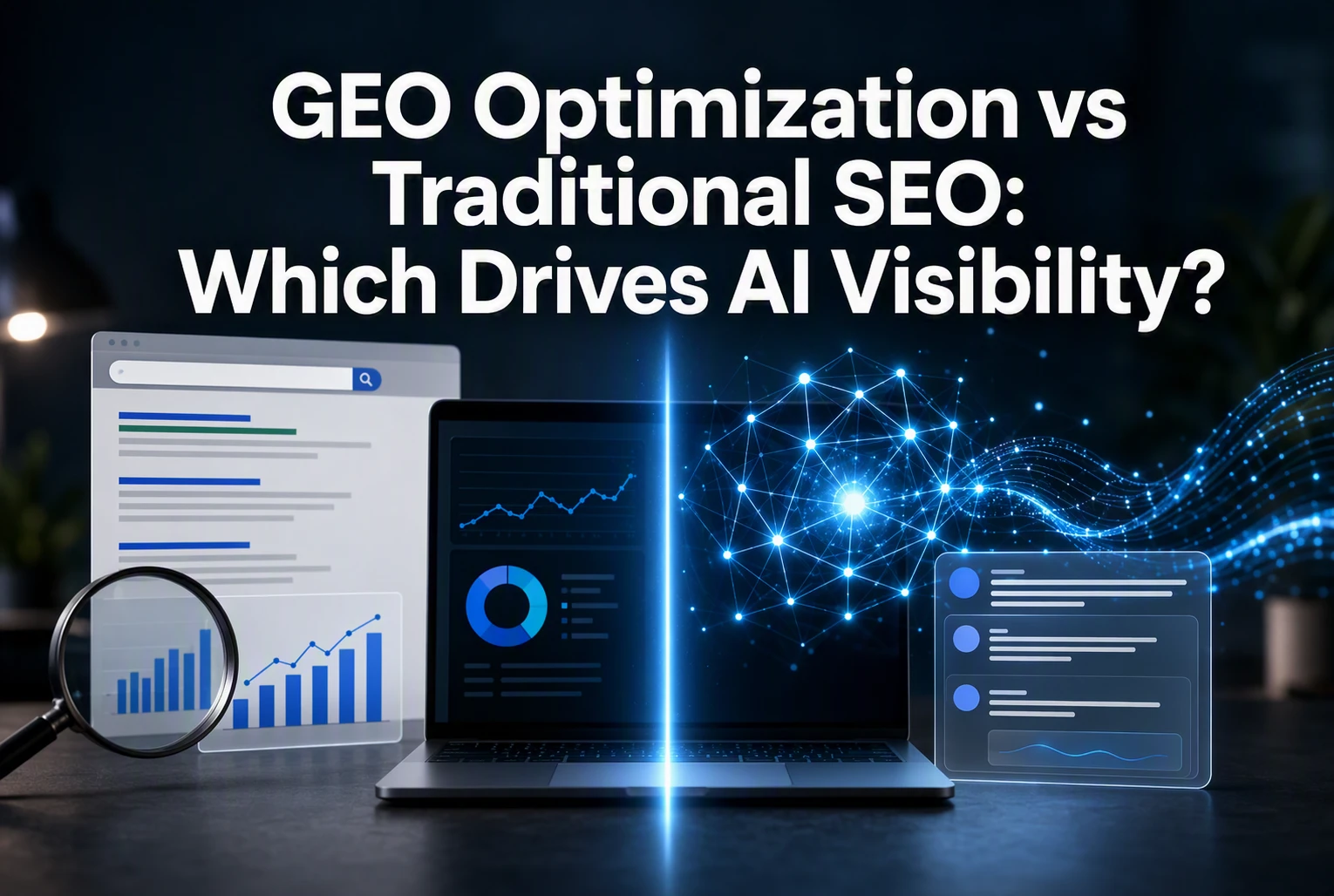
  • GEO Optimization vs Traditional SEO: Which Drives AI Visibility?

    GEO Optimization vs Traditional SEO: Which Drives AI Visibility?

    Quick Summary: GEO optimization and traditional SEO serve different goals: SEO drives rankings and clicks, while GEO earns mentions and citations in AI answers. They share the same foundations, so treat GEO as an added measurement layer, not a replacement. Start with solid SEO basics, then add GEO to track AI visibility and influence AI-led research. Use SEO data for traffic trends and GEO data for answer presence, and measure both separately.

    A top Google result may still miss a ChatGPT recommendation. GEO versus traditional SEO answers two different needs: search rankings and AI mentions. GEO versus traditional SEO is not a full reset. SEO builds findability, while GEO tracks AI retrieval and citations. This guide compares GEO versus traditional SEO so teams can use both with clear goals.

    GEO Optimization vs Traditional SEO: At a Glance

    Traditional SEO GEO optimization
    Primary visibility surface Ranked search results AI answers and generative search features
    Success metric Rankings, impressions, CTR, clicks, and conversions Mentions, citations, share of voice, sentiment, and AI referrals
    Content objective Satisfy search intent and earn clicks Provide clear, trustworthy, extractable answers
    Core authority signals Helpful content, links, technical quality, and expertise SEO foundations, entity clarity, corroboration, and source quality
    Best use case Sustainable organic traffic and discoverability Influence during AI-led discovery and evaluation

    How Traditional SEO and GEO optimization Compare

    Traditional SEO

    Traditional SEO improves visibility in ranked search results and earns qualified organic clicks. It suits teams focused on lasting traffic, using helpful content, links, technical health, and expertise to drive rankings, CTR, and conversions.

    GEO optimization

    GEO optimization helps brands appear in AI answers through mentions, citations, and recommendations. It suits teams shaping AI-led research and evaluation with clear, trustworthy, easy-to-extract answers. Google says SEO foundations still support generative search visibility.

    What Is the Difference Between GEO and Traditional SEO?

    Different Outputs, Shared Foundations

    Traditional SEO aims to earn rankings and clicks in search results. GEO aims to make your brand useful enough to appear in AI-generated answers, citations, and recommendations across AI platforms.

    The overlap is large: clear site structure, trusted sources, helpful pages, and strong technical health matter to both. Google says its AI features still rely on core Search ranking and quality systems, so SEO basics remain essential for Google visibility. Google’s guidance confirms this.

    Key insight: Treat GEO as an added measurement layer, not a replacement for SEO.

    • SEO tracks: rankings, organic visits, conversions
    • GEO tracks: brand mentions, citations, answer coverage

    Also Read: 10 Must-Have Tools to Streamline Your SEO in 2025

    How Content and Technical Strategy Change

    What to Keep From SEO

    Keep the basics: crawlable pages, clear internal links, fast mobile pages, and useful content. Google says AI features use the same core search foundations, with no extra technical requirements for eligible pages. Google’s guidance supports this approach.

    • Keep key facts in visible page text.
    • Match structured data to on-page content.
    • Build topic clusters around real user needs.
    SEO specialist mapping topic clusters with product team
    SEO specialist mapping topic clusters with product team

    What GEO Adds

    GEO changes the content brief, not the foundation. Write direct answers, show first-hand proof, and cover related questions AI systems may explore. Track citations, brand mentions, and referral conversions across AI platforms.

    SEO focus GEO addition
    Rank for queries Earn citations in answers
    Build topical pages Add clear, quotable facts
    Track organic clicks Track AI mentions and outcomes

    Also Read: 10 Best Tools for Competitor SEO Analysis in 2024

    How to Measure Visibility and Choose the Right Workflow

    Metrics That Should Not Be Confused

    Track Google clicks, impressions, CTR, and position separately from AI answer mentions, citation rate, and share of voice. Google defines CTR as clicks divided by impressions in Search Console.

    Clean split chart comparing clicks to AI citations
    Clean split chart comparing clicks to AI citations

    A high AI mention rate does not guarantee visits or sales.

    What to Look for in a GEO Tool

    Choose a tool that:

    • Tests priority prompts across AI platforms
    • Records brand mentions and cited URLs
    • Compares competitors
    • Links findings to content tasks and business results

    Use SEO data for traffic trends and GEO data for answer presence. SnowSEO can unite audits, rank tracking, and AI visibility work in one workflow.

    Also Read: 7 GEO Optimization Tools for Brand Visibility in AI Answers

    Which Should You Choose: GEO or Traditional SEO?

    Choose traditional SEO first, then add GEO where AI answers shape your buyers’ research. Google says its AI features still rely on core ranking and quality systems, so strong SEO remains the base for visibility in AI search.

    If your goal is Prioritize
    Earn rankings, traffic, and sales Traditional SEO
    Track brand mentions in AI answers GEO
    Build durable visibility across both SEO plus GEO

    Do not treat GEO as a replacement for technical health, useful content, and authority. Start with the basics, then monitor AI visibility.

    Homepage
    Homepage

    Build SEO and GEO in one workflow. Use SnowSEO to audit, track, and improve AI visibility.

    Frequently Asked Questions

    Q1: How does GEO optimization compare with traditional SEO for visibility in AI-generated answers?

    GEO helps AI systems find, trust, and cite your content. Traditional SEO builds ranking strength. Use both to earn traffic and AI answer visibility.

    Q2: Should I replace SEO with GEO?

    No. Strong technical SEO, useful pages, and authority still support AI visibility.

    Q3: What should I measure?

    Track AI mentions, citations, search rankings, qualified visits, and conversions.

    Conclusion

    Traditional SEO builds the foundation. GEO expands visibility across AI answers. Google confirms strong SEO still supports AI features, so measure both visibility and business results.

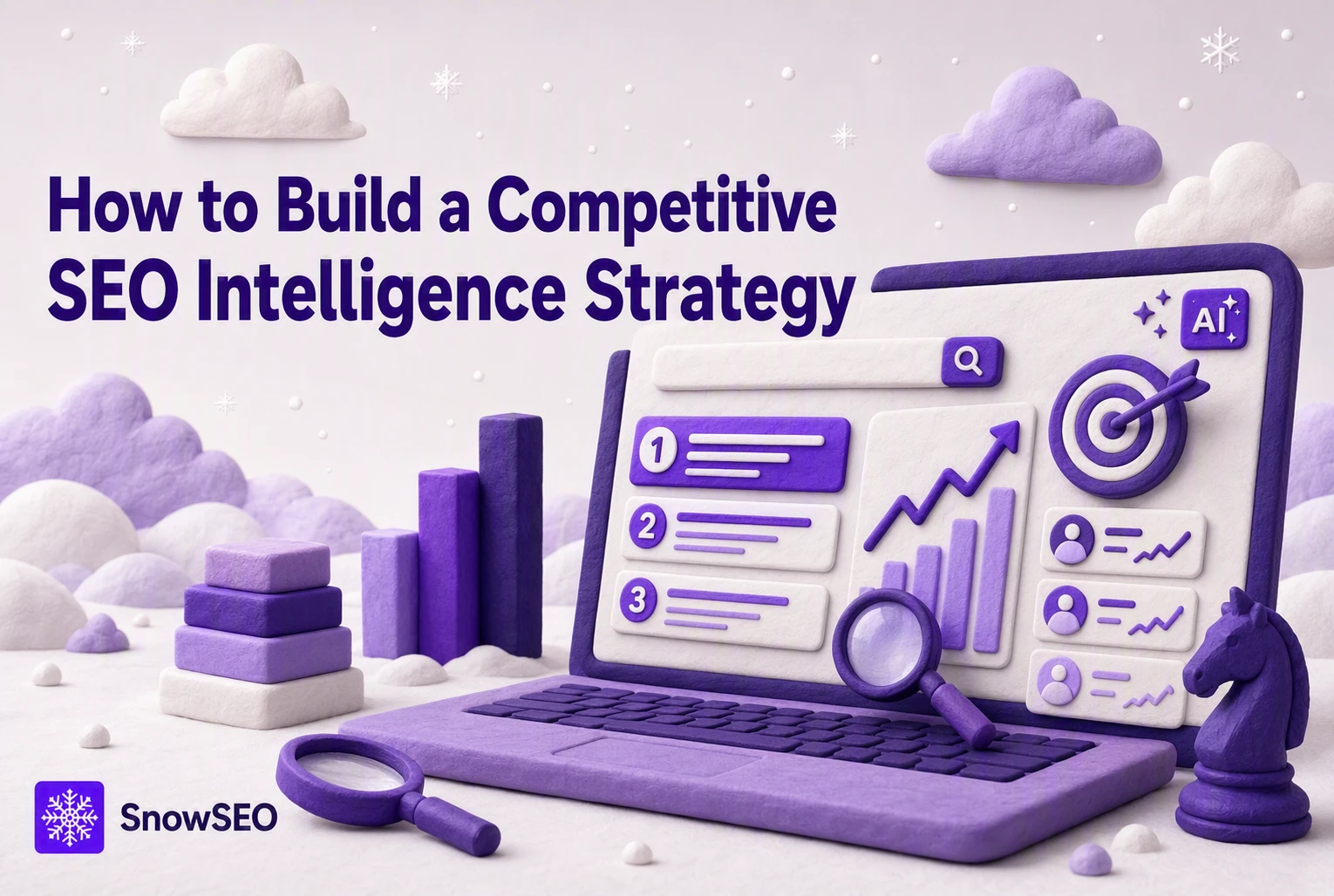
  • How to Build a Competitive SEO Intelligence Strategy

    How to Build a Competitive SEO Intelligence Strategy

    Quick Summary: Rank tracking alone misses the bigger fight: who’s winning in AI answers and local searches. Start by mapping rivals based on shared high-value keywords, AI mentions, and city-specific visibility, then audit their content depth, links, and technical health to spot exploitable gaps. Use tools like SnowSEO to turn these findings into a ranked action plan-prioritizing fixes where competitors have clear edges, like original research or faster page speeds. The goal isn’t to copy rivals but to outbuild them with better answers, especially in AI-driven searches where first-hand proof and local context matter most.

    A rival can outrank your SaaS page for “best GST invoicing software for small businesses,” while a marketplace or community site gets named in the AI answer. One buyer search now has two battles.

    Basic rank tracking misses that split. Strong SEO competitive analysis shows who wins Google, who earns AI mentions, and why. It also reveals gaps by city, language, device, and search intent across India.

    This guide turns competitor SEO analysis into a working system. You will map real rivals, spot demand gaps, assess AI search visibility, and score opportunities before your team spends time creating pages.

    Use SEO intelligence tools to track changes, not just collect reports. The aim is clear: build an SEO competitive analysis process that helps you act faster, test smarter, and protect high-value demand.

    Step 1: Define the Competitor Set You Actually Need to Monitor

    Build a Search-Led Competitor Map

    Your business rivals are not always your search rivals. Start SEO competitive analysis with 15 to 30 priority queries, split by intent, Indian city, and device. Use Search Console to see the queries already bringing impressions and clicks. Google says its reports show queries, impressions, clicks, and average position in Search. Use Search Console data as your baseline.

    List domains that appear often, then record the exact ranking URL. Include publishers, marketplaces, local listings, and AI-cited sources, not just firms selling the same service.

    Track the results your buyer sees, not the brands your sales team remembers.

    Prioritize Competitors by Threat and Relevance

    Score each domain before adding it to your watchlist.

    Signal What to check Priority
    Keyword overlap Shared high-value queries High
    SERP presence Top 10 appearances High
    India fit Same city, language, or audience Medium
    AI visibility Mentions in answer engines Medium
    1. Monitor 3 to 5 direct search threats weekly.
    2. Review 5 to 10 emerging domains monthly.
    3. Remove one-off results after two review cycles.

    A lean list keeps SEO competitive analysis useful and stops reports becoming noise.

    Also Read: Competitive SEO Intelligence: build a tracking playbook

    Step 2: Establish a Baseline Across Keywords, Content, Links, and Technical SEO

    Measure Visibility and Keyword Coverage

    Build one baseline sheet for your site and each close rival. Split keywords by India, state, city, device, and search intent. Track rank, URL, SERP feature, estimated traffic, and whether an AI answer mentions a brand.

    Area Record Why it matters
    Keywords Ranking, intent, location Finds gaps and weak wins
    Content URL, topic, freshness Shows page-level overlap
    AI visibility Mentions and cited pages Reveals GEO opportunities

    Use a fixed keyword set each month. Separate branded terms from non-branded terms, or brand demand will hide real growth.

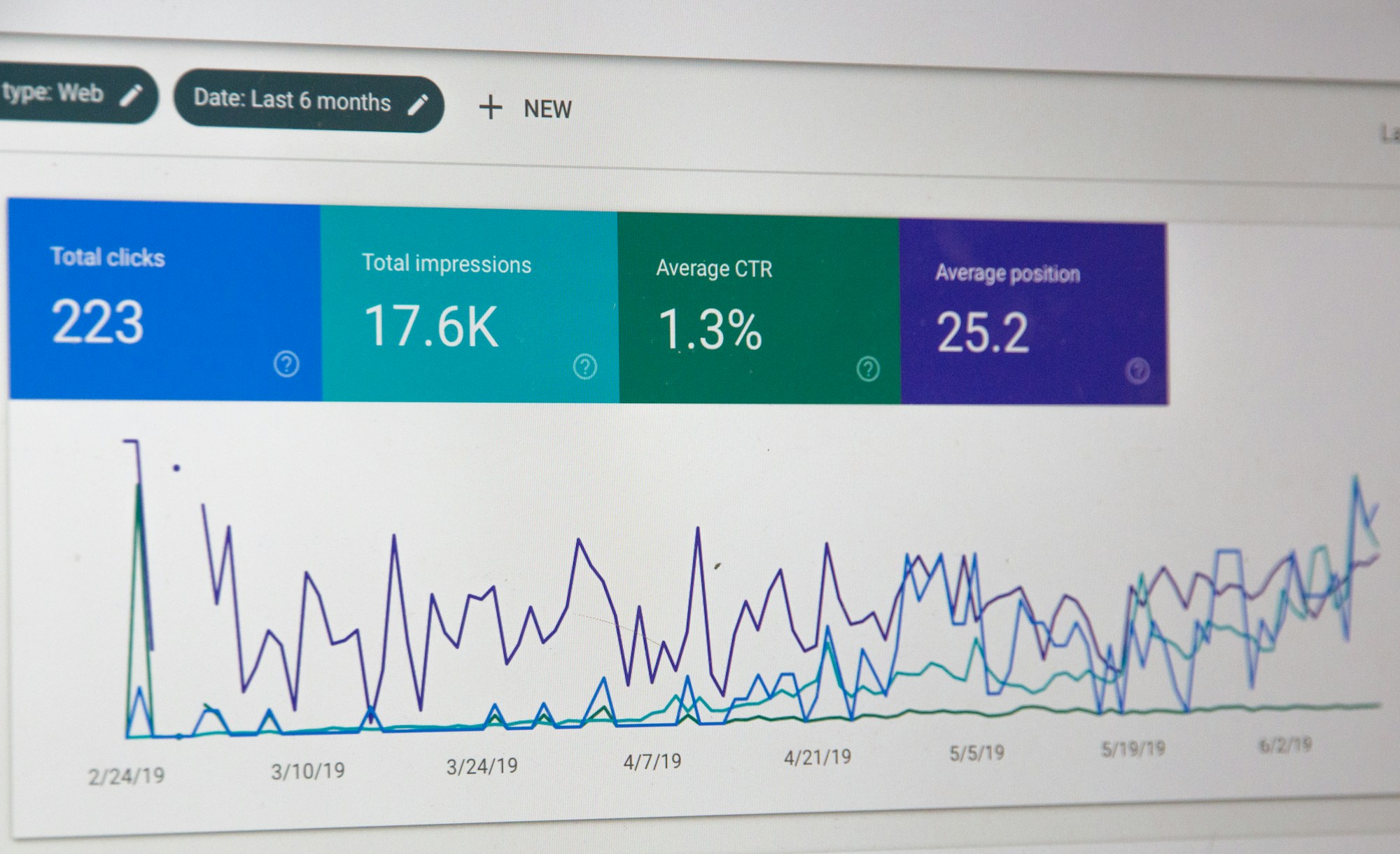
    Photo by Jason Leung on Unsplash
    Photo by Jason Leung on Unsplash

    Check mobile results first. Search results can vary by location, language, and device, as Google explains.

    Audit the Pages and Authority Behind Rankings

    For every competing top-ranking page, log its content type, depth, internal links, referring domains, and update date. Then compare it with your matching page.

    1. Flag pages with strong links but thin content.
    2. Flag useful pages with weak links or poor internal paths.
    3. Check index status, canonicals, redirects, sitemap coverage, and mobile speed.
    4. Prioritize gaps that you can fix faster than competitors.

    Google advises that crawlable links help it find pages, while sitemaps support discovery and crawl priority in its technical SEO guidance.

    Signal Baseline question Action
    Links Which pages earn relevant links? Build linkable supporting assets
    Technical Can Google crawl and index key URLs? Fix blocks and duplicate signals
    Experience Are priority pages slow or unstable? Address LCP, INP, and CLS

    Step 3: Identify Competitors Gaining AI Search Visibility

    Track Prompts, Mentions, and Citations

    Build a prompt set around buyer questions, comparison searches, and local needs in India. Run each prompt in ChatGPT, Claude, Grok, and Google AI Overviews. Log which brands appear, how often, and whether the answer links to them.

    Signal What to record Why it matters
    Brand mention Competitor named in the answer Shows share of AI voice
    Citation Linked page and domain Reveals trusted sources
    Prompt coverage Prompts where they appear Finds topic-level wins

    Google says AI features surface supporting links and may use related searches to form answers, so one prompt can expose several content gaps. See Google’s AI features guidance.

    Photo by Growtika on Unsplash
    Photo by Growtika on Unsplash

    Track results by city, language, device, and prompt type. A national competitor may not own high-intent searches in Dehradun or Hindi.

    Find the Content and Sources Creating the Gap

    Open every cited competitor page. Tag its format, proof, update date, and source links. Then compare it with your closest page.

    Look for patterns:

    1. First-hand examples, data, or expert views.
    2. Clear sections that answer follow-up questions.
    3. Strong internal links to related pages.
    4. Citations from respected third-party sites.

    Google advises brands to publish helpful, original content rather than recycled summaries in AI search. Read its generative AI search guide.

    Use SnowSEO to group missing prompts by business value, then fix pages with the clearest citation gap first.

    Step 4: Diagnose the Signals That Predict Ranking Improvements

    Use Six Signals as Evidence, Not Guarantees

    Track six clues: ranking movement, search intent match, content depth, quality links, crawl health, and AI mentions. Compare them by keyword group and Indian location.

    Google weighs many signals, so no single metric predicts a win. Its systems assess relevance, usability, source expertise, location, and more, as explained in Google’s ranking overview.

    Signal What it may show
    Rising impressions Google is testing relevance
    Better click-through rate Your result matches the search
    New relevant links Growing topic trust
    Faster indexing Fewer crawl barriers
    AI answer mentions Clear, useful source material
    Competitor content gaps A page worth building
    Photo by Stephen Phillips - Hostreviews.co.uk on Unsplash
    Photo by Stephen Phillips – Hostreviews.co.uk on Unsplash

    Treat signals as a pattern. A higher rank after one change may be coincidence.

    Translate Each Signal into a Strategic Response

    Turn evidence into a short action list:

    1. High impressions, low clicks: rewrite the title and description.
    2. Ranks 8-20: add missing subtopics, examples, and internal links.
    3. Weak intent match: change the page format from guide to comparison, list, or product page.
    4. Competitor links grow: create original research or useful assets worth citing.
    5. Crawl errors: fix index blocks, redirects, and slow templates.
    6. Few AI mentions: add direct answers, proof, and clear source details.

    Google advises people-first content with original insight, not pages made mainly to chase rankings. Review against its helpful content guidance.

    Also Read: SnowSEO Review 2026: Can It Replace Ahrefs and SEMrush for SEO Intelligence?

    Step 5: Turn Competitive Gaps into a Ranked Action Plan

    Score Opportunities with a Transparent Formula

    Score every gap before assigning work. Use a 1-5 score for traffic potential, business value, ranking feasibility, and AI visibility potential. Then subtract effort.

    Factor What to assess
    Traffic potential Demand and current competitor visibility
    Business value Lead, sale, or pipeline impact
    Feasibility Your authority, assets, and time to compete
    Effort Content, technical, and outreach work needed

    Use: (traffic + value + feasibility + AI potential) – effort.

    Prioritize gaps where you can add real experience, proof, or local insight. Google asks creators to provide original value, not recycled summaries, in its people-first content guidance.

    Create Briefs That Teams Can Execute

    Turn each high-score gap into a one-page brief. Include:

    1. Target query and search intent.
    2. Competitor weaknesses to beat.
    3. Required proof, examples, and expert input.
    4. Internal links, CTA, owner, and due date.

    Add a clear success metric, such as page-one rankings, qualified leads, or AI mentions. SnowSEO can keep these tasks tied to daily visibility changes.

    Do not chase every missing keyword. Build pages that answer the full need better than the current result.

    Step 6: Operationalize SEO Intelligence with Tools, Dashboards, and Reviews

    Choose the Right Tool Stack

    Use one dashboard that joins site health, keyword movement, competitor gaps, and AI answer mentions. SnowSEO can bring these views together, while Search Console remains the source for Google clicks and impressions.

    Need Track
    Search demand Clicks, impressions, CTR
    Competitor moves New pages, rank gains, content gaps
    AI visibility Brand mentions and cited pages

    Google lets you segment performance by query, page, country, and device in its Performance report.

    Keep the stack lean. Data spread across five tools rarely leads to faster action.

    Set the Monitoring Cadence and Scorecard

    Review alerts daily, priority changes weekly, and strategy monthly.

    1. Flag sudden rank losses, new competitor pages, and technical errors.
    2. Assign one owner and a due date to each high-value opportunity.
    3. Compare results against the prior period, not a single day.
    Review Core question
    Weekly What can we fix or publish now?
    Monthly Which topic clusters create qualified traffic?

    Track clicks and impressions alongside rankings. Google advises teams to focus on these trends, not position alone, in its performance guidance.

    Homepage
    Homepage

    Turn competitor data into clear SEO and AI search actions. SnowSEO tracks rivals, finds gaps, and helps your team publish and measure growth from one dashboard.

    Frequently Asked Questions

    Q1: How do I identify competitors who are gaining AI search visibility?

    Track which brands appear in ChatGPT, Claude, and Google AI answers for your key prompts. Note citation frequency, brand mentions, linked pages, and changes each week. Rising mentions across several prompts signal momentum.

    Q2: What are the top 6 signals that predict SEO ranking improvements?

    Watch for:

    • More pages indexed
    • Better click-through rates
    • Fresh content updates
    • New quality backlinks
    • Faster page speed
    • Growing topical coverage

    Q3: How can I prioritize competitors for SEO monitoring?

    Rank competitors by keyword overlap, traffic potential, AI-answer mentions, backlink gap, and conversion relevance. Monitor direct rivals weekly. Review larger publishers and fast-rising niche sites monthly.

    Q4: How often should I update competitive SEO research?

    Run a light review every week and a deeper review each month. Check rankings, new pages, links, AI visibility, and content gaps. Rebuild priorities every quarter.

    Conclusion

    A strong competitive SEO intelligence strategy turns competitor data into clear decisions. Track search demand, ranking gaps, content quality, technical issues, backlinks, and AI answer visibility. Then segment findings by Indian market, city, language, and buyer intent.

    Use a simple priority score so the team works on opportunities with real business value first. Review competitors often, but do not copy them blindly. Build pages that add proof, local context, and useful answers.

    Google recommends helpful, people-first content over pages made mainly to chase rankings, as explained in its content guidance.

    Consistency matters more than one-off audits.

  • How to Discover and Group Keywords for AI Search Visibility

    How to Discover and Group Keywords for AI Search Visibility

    Quick Summary: AI search thrives on intent-based keyword clusters-not just volume-so a retailer’s ‘running shoes’ seed term must split into comparison queries (e.g., ‘best budget trail shoes’) and pain points (e.g., ‘shoes for flat feet’), each mapped to a distinct page type. SnowSEO’s workflow starts with scraping customer phrasing (support tickets, AI prompts) and SERP patterns (People Also Ask, competitor headings), then scores clusters by intent fit, business value, and whether Google’s AI already favors a specific format (e.g., comparison tables for ‘vs’ queries). The key move is splitting clusters when search results show conflicting page types-like pairing a buying guide with a product page-and tracking AI mentions, not just rankings, to prove visibility. Google’s own guidance emphasizes that AI rewards people-first content, so a low-volume ‘inventory software for small warehouses’ query often outperforms a high-volume research term if it aligns with a clear buying stage.

    A retailer researching “running shoes” may see Google searches for flat feet, while AI users ask for comparisons, budget picks, or training-specific models. One flat keyword list misses those needs. AI keyword clustering sorts demand by intent, context, and answer format. This guide gives you a tested workflow for AI keyword clustering, prompt expansion, SERP checks, content mapping, and measurement. AI keyword clustering turns scattered terms into pages that earn visibility.

    Step 1: Expand Seeds into Keywords and AI Prompts

    Start with 5-10 seed terms tied to products, pains, jobs, and buyer questions. Google advises using several related phrases, not one narrow query, to generate better ideas in Keyword Planner Google’s keyword guidance.

    Use multiple discovery sources:

    • Search Console queries that already earn impressions
    • Autocomplete, People Also Ask, and related searches
    • Competitor page headings and category names
    • SnowSEO prompt tracking for ChatGPT and Claude phrasing
    • Sales calls, reviews, and support tickets

    Turn each seed into both short keywords and full prompts. For example, inventory software becomes “inventory software for small business” and “what inventory software works for a small warehouse?”

    Source What to collect
    Search results Modifiers and questions
    AI platforms Natural-language prompts
    Customer feedback Problem words and use cases

    Keep exact customer wording. It often reveals intent faster than tool metrics.

    Also Read: SnowSEO – Your Last SEO Platform

    Step 2: Clean, Label, and Score Search Intent

    Prioritize opportunity, not volume alone

    Remove duplicates, spelling variants, and terms with no clear fit. Then label each keyword by intent: informational, commercial, transactional, or navigational. Google advises creating content that helps people meet their goal, not pages made only to attract search traffic (Google’s people-first guidance).

    Score each cluster on three checks:

    Check What to assess Priority signal
    Intent fit Can your page satisfy the query? Strong match
    Business value Does it lead to a sale or lead? Clear path
    SERP fit What formats already rank? Repeatable format
    SEO keyword clusters sorted by intent and business value
    SEO keyword clusters sorted by intent and business value

    A lower-volume keyword with buying intent often beats a high-volume research query.

    Use SnowSEO to tag intent at scale, then review the top results manually before mapping content.

    Also Read: Best SEO Tools: 25 Picks to Improve Rankings in 2026

    Step 3: Build and Validate AI Keyword Clusters

    Choose the right clustering signal

    Group terms by the job the searcher needs done, not shared wording. Check intent, expected page type, audience stage, and the questions AI answers tend to combine. Google advises content teams to create useful, people-first pages that meet a clear audience need, not pages made just to attract traffic in its guidance.

    Signal Use it to group
    Same intent One page can solve both queries
    Same SERP pattern Results favor the same content format
    Same entity Terms refer to one product, service, or problem
    SEO strategist analyzing keyword clusters by laptop
    SEO strategist analyzing keyword clusters by laptop

    Tip: Use AI suggestions to expand a cluster, then validate each term in live results.

    Know when to split a cluster

    Split a cluster when results show different page types, buying stages, or questions. A guide and a product page should rarely compete on one URL.

    • Keep one primary intent per page.
    • Split terms with different modifiers, such as pricing, template, or vs.
    • Check whether AI answers cite different sources for each query.

    Also Read: 10 Must-Have Tools to Streamline Your SEO in 2025

    Step 4: Map Clusters to Content and Measure AI Visibility

    Track outcomes beyond rankings

    Assign each cluster to one clear page type: a hub, guide, product page, or support article. Avoid creating several pages that chase the same intent.

    Cluster signal Best content action Measure
    Broad learning query Create a hub guide AI mentions and impressions
    Comparison query Build a comparison page Citations and leads
    Purchase query Improve a product page Conversions and revenue

    Track prompt-level brand mentions, cited URLs, traffic, and conversions in SnowSEO. Google’s AI performance report can show impressions, pages, countries, and devices.

    Review changes monthly. A rising AI mention rate without qualified visits is not a win.

    Also Read: 10 Best Tools for Competitor SEO Analysis in 2024

    Homepage
    Homepage

    Turn grouped keywords into search and AI visibility. Use SnowSEO to research terms, map intent, track rankings, and spot content gaps fast.

    Frequently Asked Questions

    Q1: Tools recommended for fast keyword discovery with automated grouping and AI-powered suggestions?

    SnowSEO combines keyword research, grouping, and AI search tracking in one workflow. Check suggestions against real search results before assigning pages.

    Q2: How many keywords should one page target?

    Start with one main term and a tight group of close variants. Split the group when search intent, page type, or audience need changes.

    Q3: How often should I update keyword groups?

    Review groups every quarter. Update sooner when rankings drop, new AI answers appear, or search results show a clear shift in intent.

    Conclusion

    Group keywords by intent, validate them in results, map each group to one useful page, then track visibility. Google confirms clear, original, people-first content still supports AI search visibility.