Tag: digital marketing tools

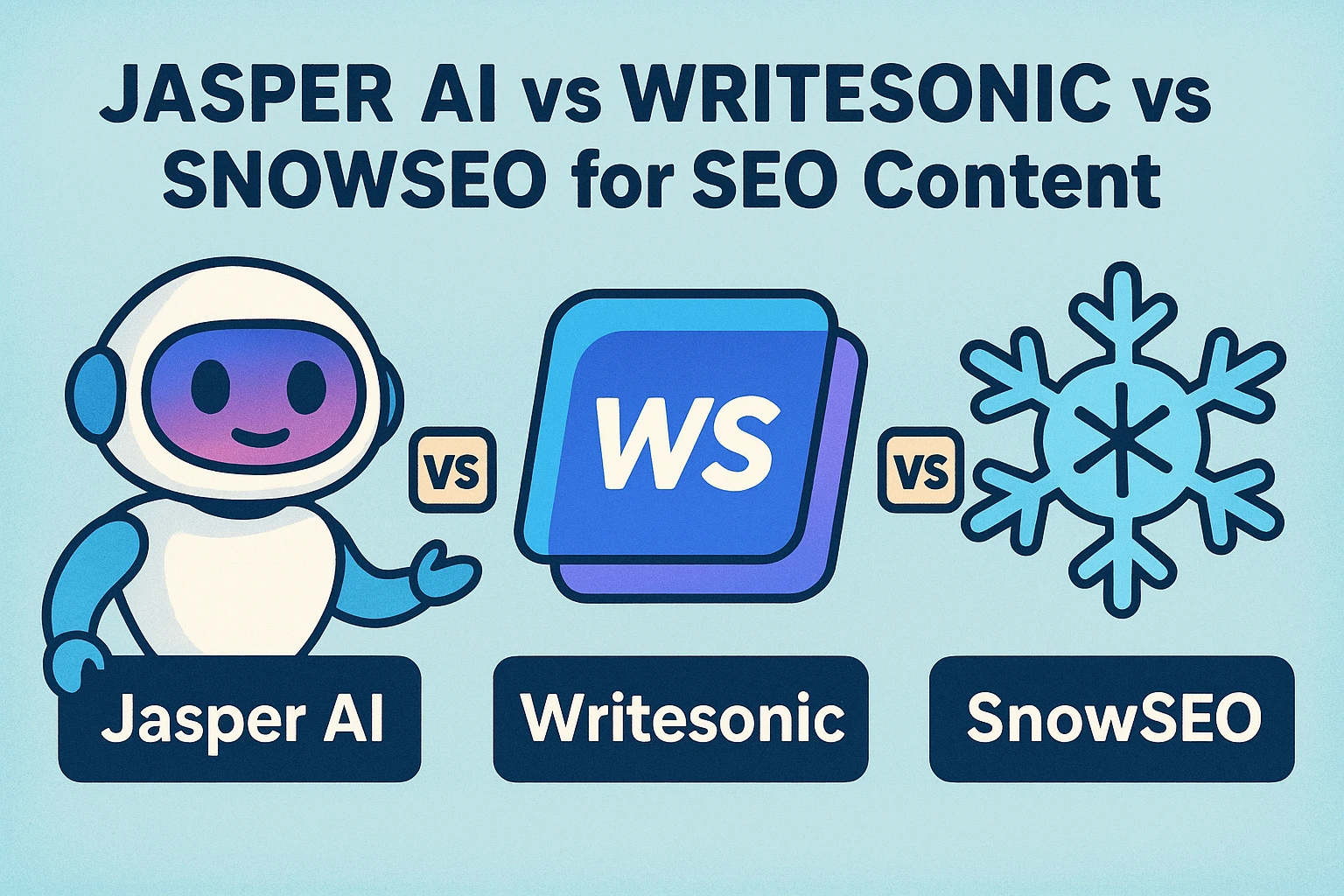
  • Jasper AI vs Writesonic vs SnowSEO for SEO Content

    Jasper AI vs Writesonic vs SnowSEO for SEO Content

    Quick Summary: SnowSEO fits SEO-first teams needing one workspace for research, content, audits, and tracking, while Jasper suits brand-led teams and Writesonic favors fast drafting. The article compares all three across planning, quality, publishing, and workflow, concluding SnowSEO reduces handoffs best. Choose based on whether brand control, speed, or full SEO integration matters most.

    First drafts are rarely the hard part. Teams need topics, intent fit, useful depth, clean publishing, and proof that pages earn visibility. In this Jasper AI vs Writesonic vs SnowSEO comparison, we assess planning, writing, SEO checks, publishing, tracking, and team control. Jasper AI vs Writesonic vs SnowSEO shows SnowSEO suits SEO-first workflows, Writesonic supports AI-search automation, and Jasper fits brand-led content teams.

    Jasper AI vs Writesonic vs SnowSEO: At a Glance

    Jasper AI Writesonic SnowSEO
    Primary focus Marketing content and workflows SEO, GEO, and AI search growth Integrated Google and AI-search performance
    SEO content workflow SEO and GEO solutions, agents, pipelines Research, article generation, audits, and optimization Keywords, clusters, competitor research, scoring, and refreshes
    Brand and content control Strong brand voice, knowledge, and governance Brand voice, sources, styles, and expert review Brand context, knowledge base, and brand style
    Publishing and operations Content pipelines, agents, API, enterprise controls Agentic workflows, projects, integrations, and reports Editorial workflow and CMS publishing integrations
    Best for Larger, brand-led marketing teams SEO teams scaling search and AI visibility Lean teams and agencies wanting one SEO workspace

    Meet the Contenders

    Jasper AI

    Jasper serves brand-led marketing teams that need governed content across campaigns and formats. Its SEO angle combines agents, content pipelines, and strong brand controls.

    Jasper AI

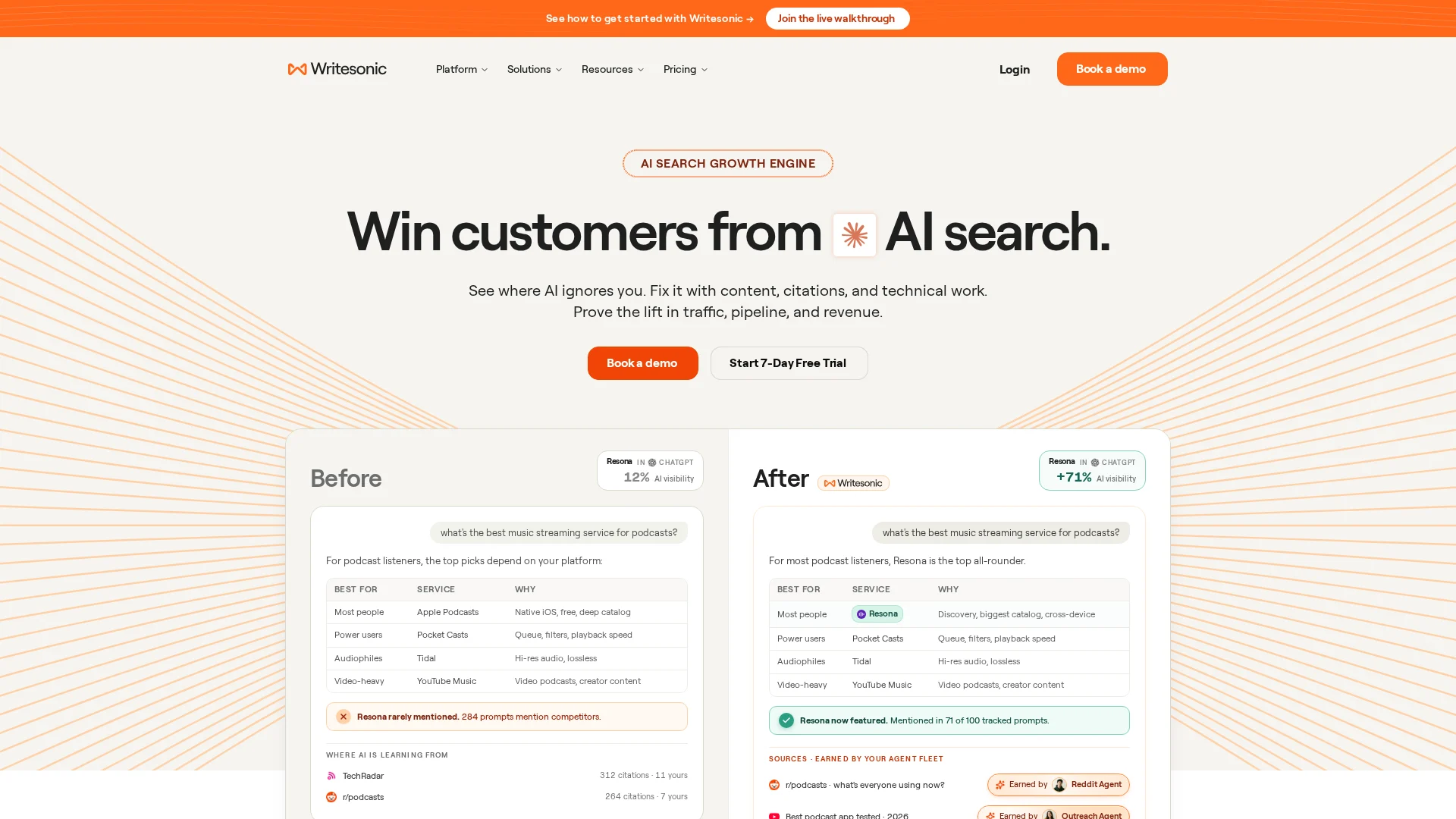
    Writesonic

    Writesonic targets SEO teams that want research, article creation, audits, and AI search tracking in one workspace. It focuses on search-led content operations.
    Writesonic

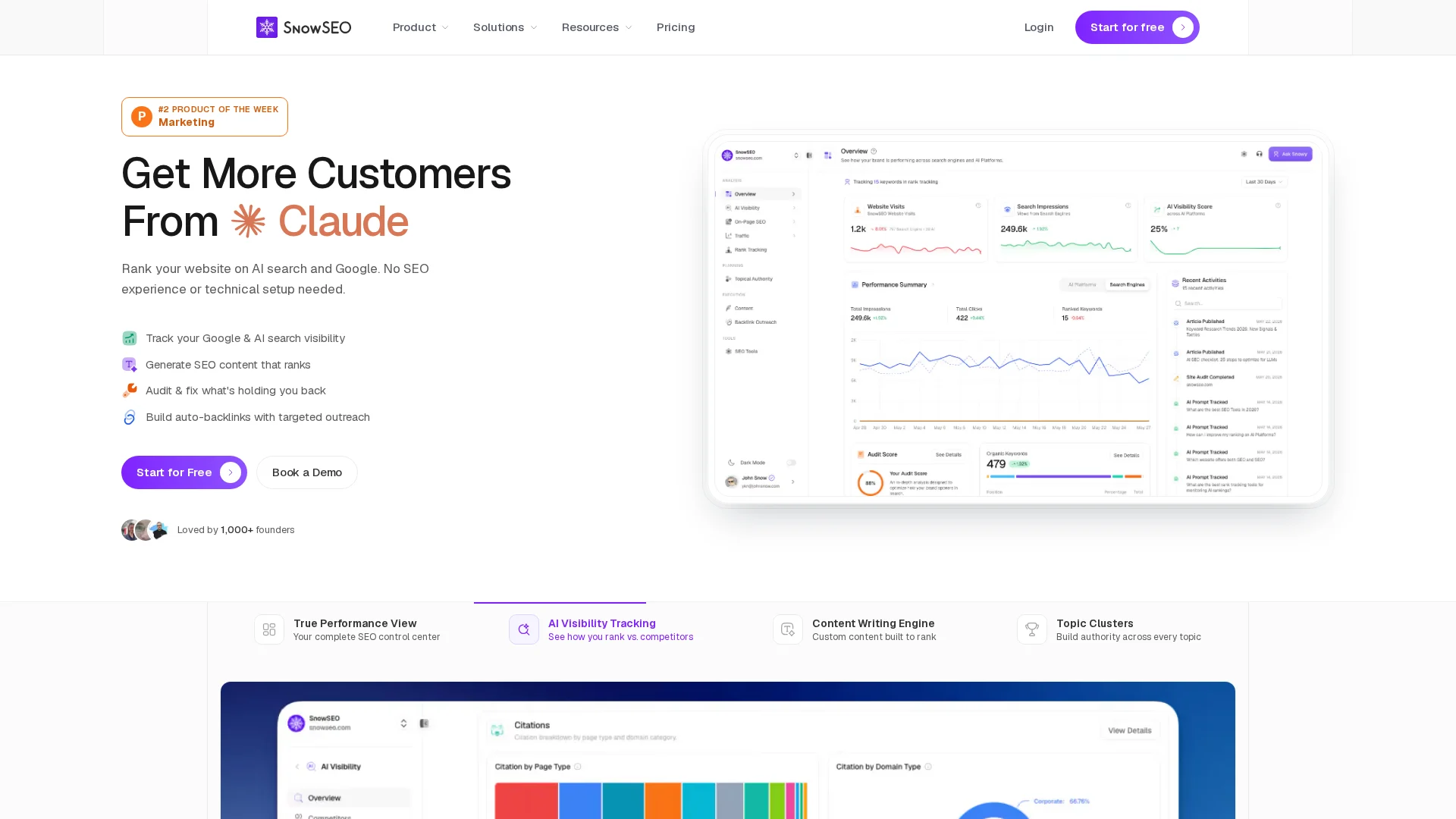
    SnowSEO

    SnowSEO connects keyword research, clusters, AI content, publishing, audits, rank tracking, and AI visibility. It suits lean teams and agencies seeking one SEO workspace.
    SnowSEO

    SEO Strategy and Content Planning Compared

    From a Keyword to a Search-Ready Brief

    A useful brief starts with intent, not a keyword score. Google advises teams to create original, people-first content.

    Brief element Why it matters
    Search intent Sets the page goal
    Competitor gaps Finds missing answers
    Expert input Adds proof and depth

    SnowSEO connects keyword research, competitor analysis, and content planning in one workflow. It helps turn a query into a brief with target questions, page angle, and internal-link options.

    Pencil sketch of keyword research flowchart
    Pencil sketch of keyword research flowchart

    Do not copy ranking pages. Add firsthand examples, clear steps, and an answer the reader cannot get elsewhere.

    1. Pick one intent.
    2. Review the current results.
    3. Assign a distinct angle.

    Also Read: 10 Best Tools for Competitor SEO Analysis in 2024

    Article Quality, Optimization, and Brand Control

    Human Voice Is Not the Same as Search Relevance

    A natural tone will not save an article that misses the reader’s question. Google asks publishers to create helpful, reliable, people-first content with original value and clear expertise.

    Use AI for the first draft, then add what only your team knows:

    • A real example, result, or product detail
    • Terms your buyers actually use
    • A clear answer near the top
    Check Why it matters
    Search intent Matches the query’s real goal
    Brand review Keeps claims, tone, and facts on track
    Final edit Removes filler and repeated phrases

    Optimization should clarify the answer, not force keywords into every line.

    Also Read: SnowSEO vs Writesonic for SEO Content Quality and Visibility

    Publishing, Measurement, and Workflow Fit

    Choose the tool that fits your handoff process, not just its draft quality. SnowSEO keeps research, content, audits, rank tracking, and competitor checks in one workspace. That reduces copy-paste work after approval.
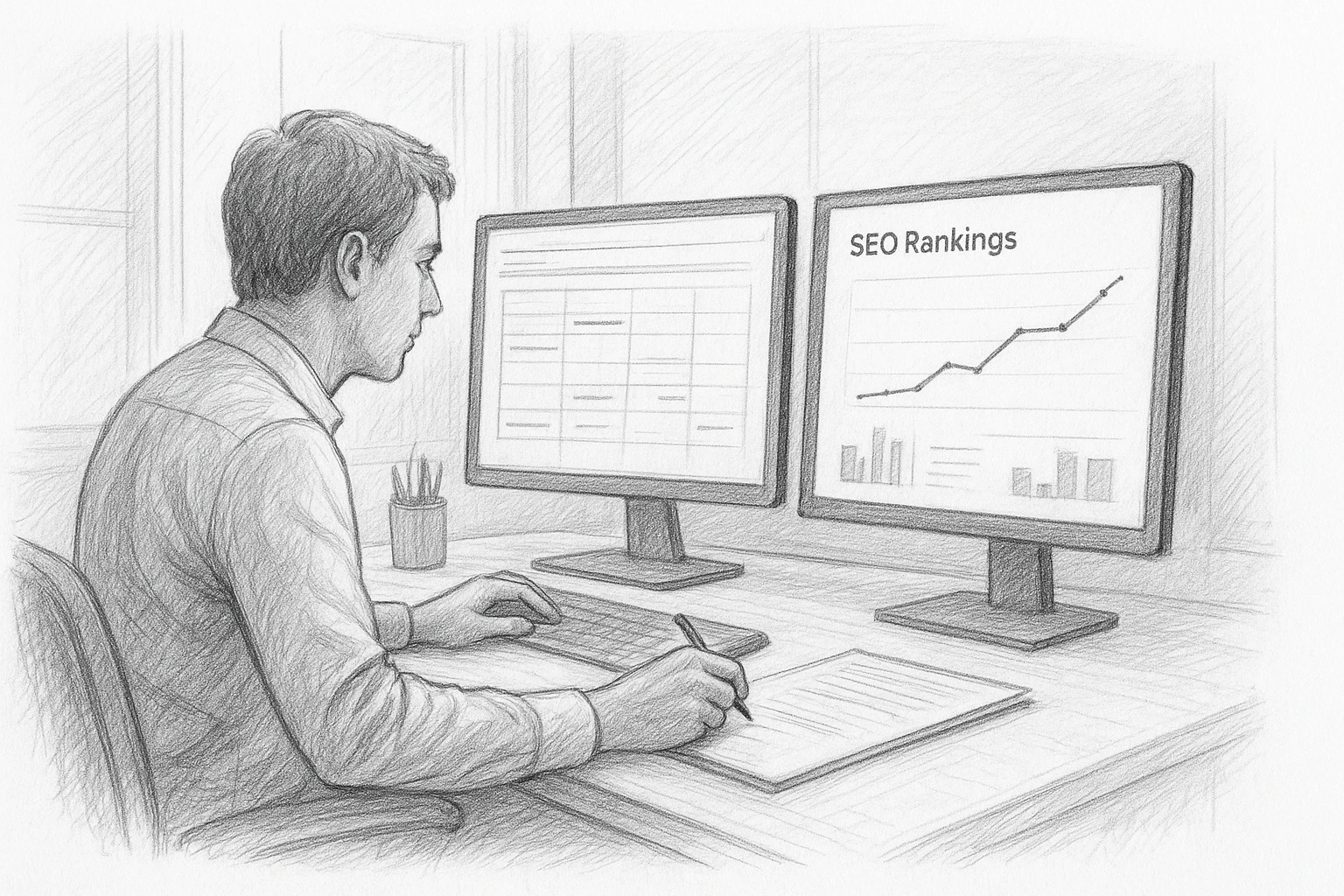
    Content manager reviewing rankings beside editorial calendar
    Content manager reviewing rankings beside editorial calendar
    Workflow need Best fit
    One SEO workspace SnowSEO
    Draft-first workflow Jasper AI or Writesonic
    Search performance review SnowSEO plus Search Console
    1. Publish only after an editor checks facts and links.
    2. Track clicks, impressions, CTR, and position in Search Console.
    3. Refresh pages with high impressions but weak CTR.

    Measure results by page and query, not raw article volume.

    Also Read: SnowSEO – Your Last SEO Platform

    Which Should You Choose: Jasper AI, Writesonic, or SnowSEO?

    Choose Jasper if brand voice and team controls matter most. Its SEO tools support keyword-led drafts and workflow integrations.

    Choose Writesonic for fast article production and AI-search work. It positions itself around tracking AI platforms and measuring visibility.

    Choose SnowSEO if you need one workflow for audits, keyword research, content, rank tracking, and competitor checks.

    Need Best fit
    Brand-led content Jasper
    Fast content output Writesonic
    Full SEO workflow SnowSEO

    Pick the tool that removes the most handoffs from your current process.
    Homepage
    Homepage

    Turn SEO drafts into measurable growth. Use SnowSEO to research, create, audit, track, and improve content in one workflow.

    Frequently Asked Questions

    Q1: Comparison of AI writers with SEO focus: Jasper AI vs Writesonic vs SnowSEO content engine?

    Jasper and Writesonic focus on drafting. SnowSEO connects research, audits, content, rank tracking, and AI visibility in one workflow.

    Q2: Which tool fits an agency workflow?

    Choose SnowSEO if you need shared SEO data and reporting across clients.

    Q3: Should you edit AI-written SEO content?

    Yes. Check facts, add firsthand insight, and match search intent before publishing.

    Conclusion

    Jasper suits brand-led teams, while Writesonic favors fast drafting. SnowSEO stands out when research, content, tracking, and AI search visibility must work together.
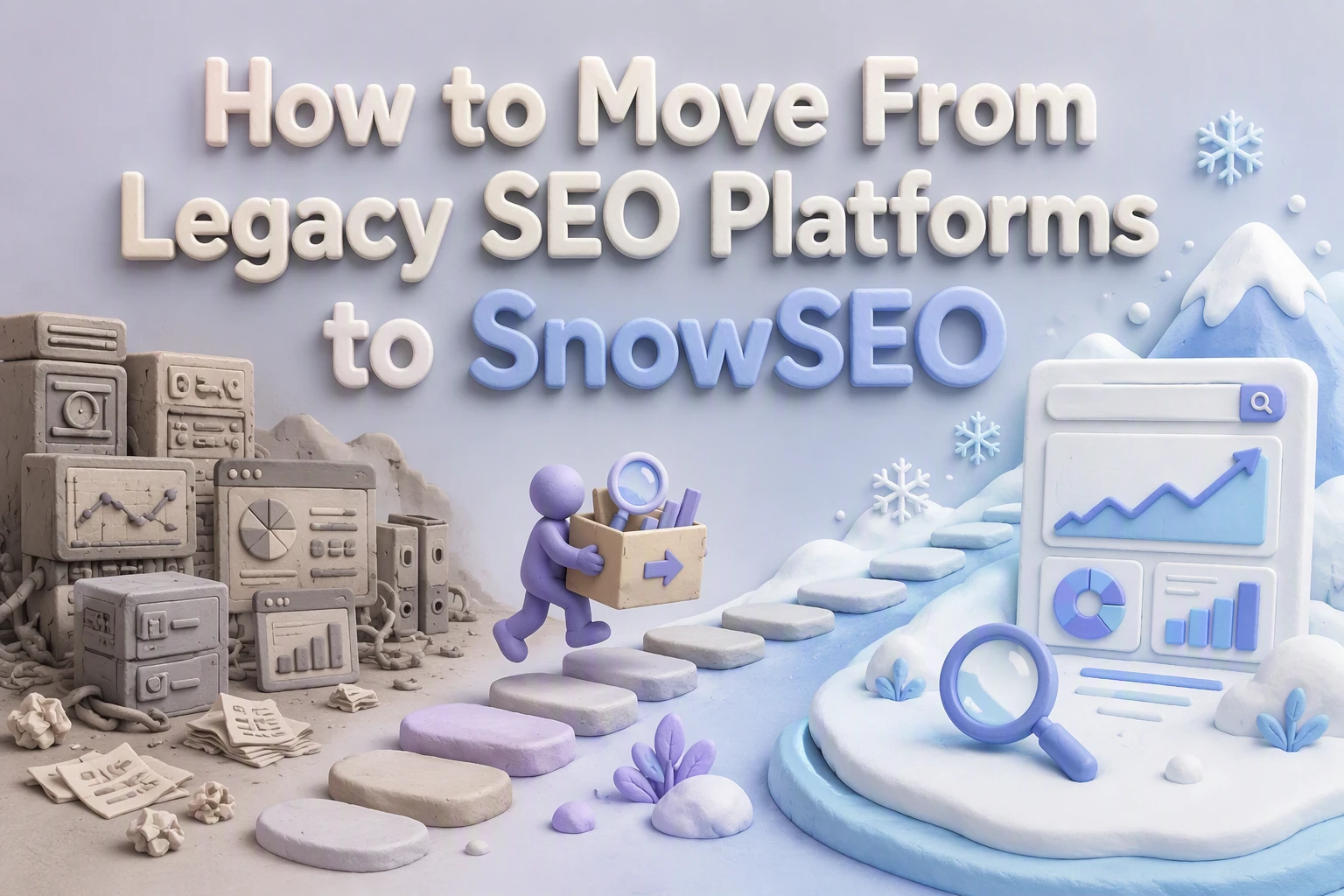

  • How to Move From Legacy SEO Platforms to SnowSEO

    How to Move From Legacy SEO Platforms to SnowSEO

    Quick Summary: Migrating 40 client projects to SnowSEO requires preserving keyword groups, rank baselines, and competitor data-not just logins-while ensuring generative search visibility stays tracked in one workflow. Start by exporting 12 months of trend data, mapping unused reports for retirement, and assigning owners to each workflow before switching. Run parallel tracking for two reporting cycles to validate data matches, then launch with a focus on priority pages and AI visibility continuity, fixing high-value gaps first. Google’s guidance emphasizes testing changes before launch and monitoring post-move, so keep the old platform active until SnowSEO’s data aligns exactly with your baseline.

    Moving 40 client projects is not about new logins. A legacy SEO platform migration must keep keyword groups, rank baselines, competitor data, reports, and the context behind each call.

    This guide shows how to plan a safer legacy SEO platform migration to SnowSEO, validate your data, and keep reporting steady. It also covers generative search continuity, so your team can track search and AI visibility in one workflow.

    Step 1: Inventory Your Legacy SEO Platform

    Capture Data, Workflows, and Ownership

    Start your legacy SEO platform migration with a full export. List every report, keyword set, audit, alert, integration, and user role before access changes.

    SEO team reviewing legacy platform workflows and report ownership
    SEO team reviewing legacy platform workflows and report ownership
    Area Capture Owner
    Search data Rankings, clicks, pages, keywords SEO lead
    Workflows Audits, briefs, approvals, alerts Content lead
    Access Admins, API keys, billing, exports Operations lead

    Google advises teams to prepare and test changes before a move, then monitor results after launch in its site migration guidance.

    • Export at least 12 months of trend data.
    • Record report schedules and decision rules.
    • Name one accountable owner per workflow.

    Do not cancel the old platform until SnowSEO data matches your baseline.

    Also Read: 10 New Keyword Research Techniques to Try Now

    Step 2: Build Your SnowSEO Migration Map

    Map What Transfers and What Needs Rebuilding

    List every legacy report, data source, keyword set, and alert before you switch. Keep raw exports safe. Google notes that Search Console report downloads can truncate data, while bulk exports retain fuller performance data for your property in BigQuery.

    Use a simple map:

    Asset Action Owner
    Keyword groups Transfer and tag SEO lead
    Rank baselines Export and verify Analyst
    Custom reports Rebuild in SnowSEO Marketing ops
    AI visibility prompts Create new tracking Content lead
    • Save date ranges, filters, and market settings.
    • Mark reports nobody uses for retirement.

    Warning: Do not compare new SnowSEO data with old data until settings match.

    Also Read: 10 Best Tools for Competitor SEO Analysis in 2024

    Step 3: Import, Configure, and Validate the Data

    Run a Parallel Comparison

    Import your saved keyword sets, target pages, tags, competitors, and past reports. Then configure SnowSEO to match the old platform’s search engines, locations, devices, and update schedule.

    Side-by-side SEO data migration workflow comparison
    Side-by-side SEO data migration workflow comparison

    Run both platforms side by side for two reporting cycles. Compare the same dates and filters. Google notes that property-level and page-level data use different counting rules, so match the view before judging a gap in results. See Google’s reporting guidance.

    Check What to compare
    Rankings Keywords, location, device, SERP type
    Traffic Clicks, impressions, landing pages
    AI visibility Prompts, cited pages, competitor mentions

    Do not switch off the legacy platform until the gaps have an owner and a clear reason.

    1. Flag missing keywords or URLs.
    2. Check tags and access rights.
    3. Approve SnowSEO as the new source of truth.

    Also Read: 10 Organic Growth Strategies to Drive Traffic in 2025

    Step 4: Launch the Unified SEO and Generative Search Workflow

    Measure Continuity and Business Value

    Launch with one shared baseline, then watch search and AI visibility together. Track priority pages, query groups, conversions, and brand mentions across the new workflow.

    Measure Check Business signal
    Organic visibility Clicks, impressions, and rank Demand retained
    AI visibility Brand and page mentions in AI answers Generative search continuity
    Conversions Leads, sales, and assisted revenue Real return on effort

    Use SnowSEO to keep audits, keyword work, content tasks, and visibility tracking in one view. Google says Search Console reports queries, clicks, impressions, and position, so compare these numbers with your pre-move baseline.

    Review weekly for the first month. Fix lost high-value pages first, not every small ranking shift.

    Homepage
    Homepage

    Move with control, not guesswork. Use SnowSEO to unite audits, rank tracking, content, and AI search visibility in one workflow.

    Frequently Asked Questions

    Q1: How to transition from legacy SEO platforms to SnowSEO for a unified approach to traditional and generative SEO?

    Export key data, map active reports, then run parallel tracking before switching. Keep baseline rankings and prompts.

    Q2: What data should I keep?

    Save keyword lists, site audits, backlinks, and historic rankings.

    Q3: How long should parallel tracking last?

    Use two to four weeks to spot gaps and confirm reporting matches.

    Conclusion

    A safe move to SnowSEO starts with clean data, clear ownership, and steady checks after launch. Protect search signals with tested redirects and monitoring, as Google recommends, while bringing SEO and generative search work into one workflow.

  • Rank Tracking Software Gains Real-Time AI Search Reporting

    Rank Tracking Software Gains Real-Time AI Search Reporting

    Quick Summary: Real-time AI rank tracking isn’t live updates-it’s daily scans of fixed prompts across ChatGPT, Google AI Mode, and Gemini, but tools vary wildly in how they log mentions, citations, and answer shifts. Google’s AI Overviews don’t work like traditional rankings; they pull different links and can omit your site entirely, so tracking must focus on brand mentions, linked sources, and answer context-not just position. SnowSEO explicitly ties rank tracking to AI visibility, letting teams spot gaps in mentions or citations before competitors do. The key is saving full answers, testing prompts across models, and treating daily changes as signals, not definitive proof.

    Rank tracking now reaches beyond Google. In 2026, Semrush tracks selected prompts daily across ChatGPT, Google AI Mode, and Gemini. Other tools report AI visibility across ChatGPT and, often, Claude. Yet real-time AI rank reporting means different things across vendors. Daily scans, weekly checks, and live dashboards are not equal. This guide tests real-time AI rank reporting against refresh rates, prompt position, citations, competitors, and answer changes.

    AI Rank Reporting Is Becoming a Daily Workflow

    What Vendors Mean by Real-Time

    Real-time AI rank reporting rarely means a live, second-by-second feed. It usually means a tool reruns a fixed set of prompts on a daily schedule, then logs what changed.

    Google itself says AI Overviews appear only when its systems find them helpful, and results can vary by query. Its AI features also surface supporting links, not a fixed rank list, as explained in Google Search Central’s guidance.

    Real-time AI search workflow visualization
    Real-time AI search workflow visualization
    Claim What to verify
    Real-time Exact refresh time and timezone
    AI position Prompt, market, device, and model used
    Citation tracking Linked source URL and captured answer
    Visibility score Formula and prompt sample size

    Tip: Treat daily changes as signals, not proof. AI answers can shift between checks.

    • Save answer snapshots.
    • Separate mentions from citations.
    • Flag meaningful changes for review.

    Also Read: 10 Organic Growth Strategies to Drive Traffic in 2025

    Which Trackers Cover ChatGPT and Claude?

    Coverage Is Only the First Test

    Several AI visibility platforms claim ChatGPT and Claude coverage, but the label alone proves little. Ask whether the tool runs the same saved prompts on both models and records answers separately.

    Side-by-side AI model comparison dashboard
    Side-by-side AI model comparison dashboard

    A useful report should show:

    Check Why it matters
    Brand mention Shows if the answer names you
    Citation or source URL Shows which pages support the answer
    Answer context Reveals how the model describes you
    Prompt history Separates a trend from one random result

    Ahrefs’ ChatGPT tracking guide treats mentions, citations, and share of voice as separate signals. Claude needs its own view because its answers may cite and frame brands differently.

    Do not call this a rank. AI answers have no fixed position. Track presence, source support, and change over time.

    Also Read: SnowSEO – Your Last SEO Platform

    The Metrics Behind a Useful AI Rank Report

    Position Is Not the Same as a Google Ranking

    An AI answer has no fixed blue-link rank. It can mention your brand, cite a page, quote your facts, or omit you entirely. Google says AI Overviews and AI Mode can use different models and return different links, so a useful report must log the exact prompt, platform, country, device, and check time. Google confirms that these results vary.

    Track these signals:

    Metric What it shows
    Mention rate How often your brand appears
    Citation rate How often your URL is linked
    Answer position Where the mention appears
    Share of voice Your mentions versus rivals

    Do not call a citation “rank one.” It is an answer placement, not a standard organic ranking.

    1. Save the full answer.
    2. Count mentions and links.
    3. Compare changes by prompt group.

    Also Read: 10 Must-Have Tools to Streamline Your SEO in 2025

    How Teams Should Validate a Real-Time AI Reporting Tool

    A Five-Point Verification Checklist

    “Real-time” should mean a fresh, repeatable check, not a daily data refresh labeled differently. Google notes that AI features can vary by query and may not trigger at all, so test across a fixed prompt set and location. Google’s guidance also confirms that AI results can surface different links than classic search.

    1. Timestamp every result – show the exact check time, timezone, and platform.
    2. Repeat key prompts – run them twice to spot unstable mentions or citations.
    3. Separate metrics – report answer position, brand mention, linked citation, and share of visibility separately.
    4. Keep proof – save the full answer and source links for each result.
    5. Test exclusions – confirm the tool records no-answer and no-citation cases.
    Check Pass condition
    Freshness A visible, precise timestamp
    Evidence Stored answer and citations

    Treat a mention without a citation as awareness, not traffic potential.

    Homepage
    Homepage

    Track search ranks, AI mentions, and citations in one place. Try SnowSEO to spot visibility gaps and act faster.

    Frequently Asked Questions

    Q1: Which rank trackers provide real-time insights and integrate with AI platforms like ChatGPT and Claude?

    SnowSEO combines rank tracking with AI visibility checks for ChatGPT and Claude, helping teams track mentions, citations, and answer placement.

    Q2: What should AI search reporting measure?

    Track brand mentions, linked citations, answer position, prompt coverage, and competitor presence.

    Q3: How often should teams review AI visibility?

    Review weekly for trends, then check after major content changes or campaign launches.

    Conclusion

    Real-time AI search reporting must separate rankings from mentions, citations, and visibility. Google’s report tracks generative impressions, but teams still need clear, prompt-level context to judge impact.

  • 7 Rank Trackers for Google, ChatGPT, and Claude Visibility

    7 Rank Trackers for Google, ChatGPT, and Claude Visibility

    Quick Summary: Your page might rank on Google’s first page but disappear entirely from ChatGPT or Claude answers-so tracking AI visibility is just as critical as Google rankings. SnowSEO stands out by combining daily keyword tracking with AI mention monitoring across ChatGPT, Claude, and other engines, then directly linking gaps to actionable content tasks like audits and publishing. While tools like OtterlyAI focus narrowly on AI citations or Profound targets enterprise prompt-level insights, SnowSEO’s strength lies in its unified workflow for teams that need both SEO and AI visibility tied to real content improvements.

    A page can rank on Google page one yet vanish from a buyer’s ChatGPT or Claude answer. Google positions differ from AI mentions and citations. These AI visibility rank trackers compare both systems without extra spreadsheet work. We reviewed seven AI visibility rank trackers for coverage, prompts, citations, competitors, reports, and workflow fit. SnowSEO leads for teams that need AI visibility rank trackers tied to action.

    Quick Comparison of AI Visibility Rank Trackers

    Tool Best for Google tracking AI coverage Actionability
    SnowSEO Founders, SMBs, content teams, and lean agencies Daily keyword tracking with GSC and live SERP data ChatGPT, Claude, Gemini, Perplexity, Grok, DeepSeek, and other supported providers Content, clusters, audits, backlinks, publishing, and competitor gaps
    OtterlyAI SEO teams, agencies, ecommerce, and AI-search specialists AI Overviews and AI Mode monitoring rather than a full traditional SEO suite Seven AI engines, with some surfaces available as add-ons Citation gaps, competitor comparisons, reports, integrations, and shopping insights
    Profound Enterprise brands, agencies, and structured GEO programs Best used alongside a traditional SEO rank tracker AI answer engines with prompt-level daily tracking Prompt research, segmentation, content, outreach, and agents
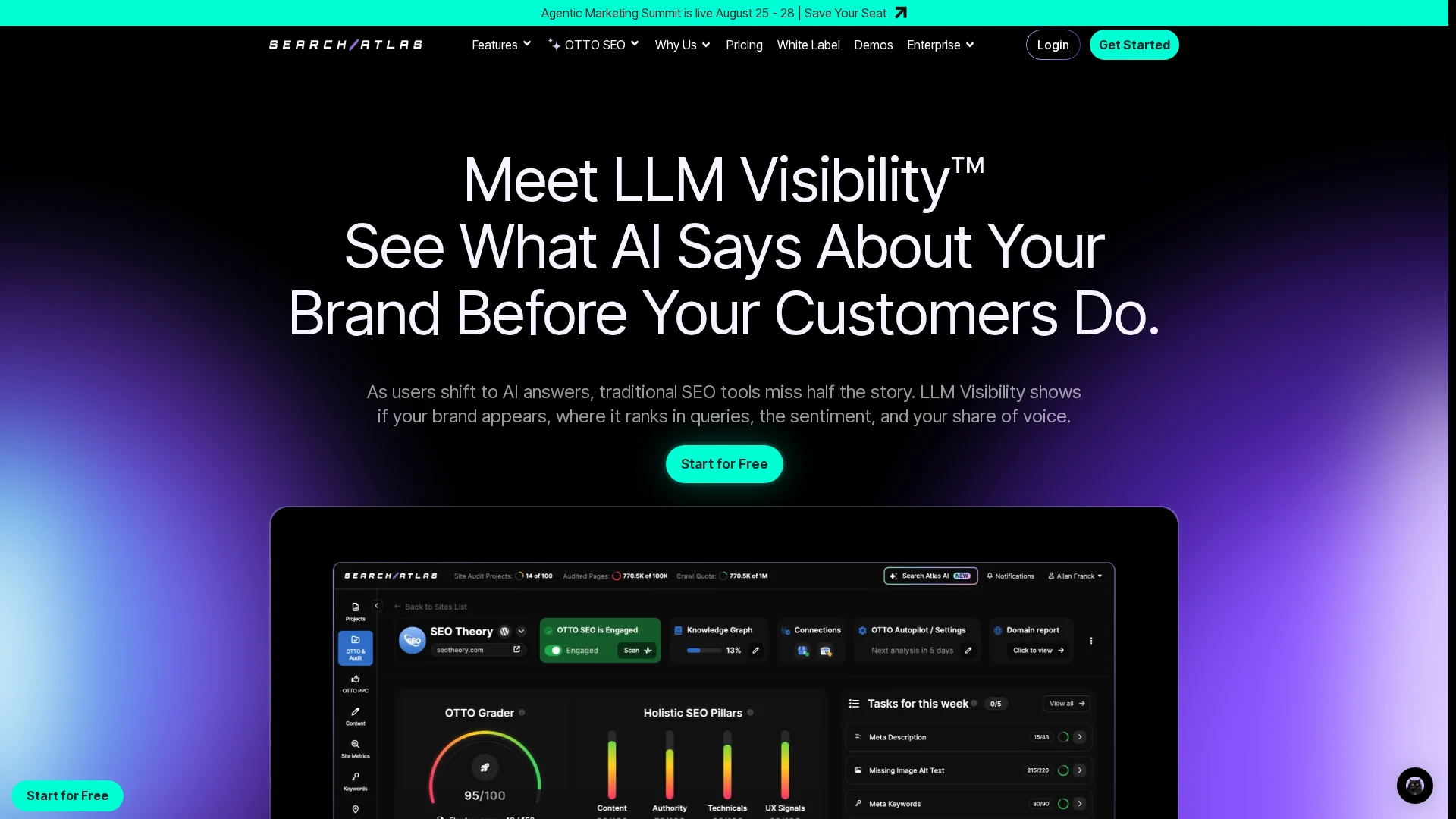
    Search Atlas LLM Visibility Marketing teams and agencies wanting SEO plus AI automation Available through the wider Search Atlas SEO platform ChatGPT, Claude, Gemini, Perplexity, and additional supported engines Competitor gaps, sentiment, content optimization, and SEO automation

    What to know about AI visibility rank tracking

    Google rank tracking shows where a page ranks for a keyword. AI visibility tracking shows whether ChatGPT or Claude mentions, recommends, or cites your brand.

    It also reveals answer placement, competitor context, and source influence. Strong trackers keep these signals separate, then make trend changes easy to compare.

    1. SnowSEO

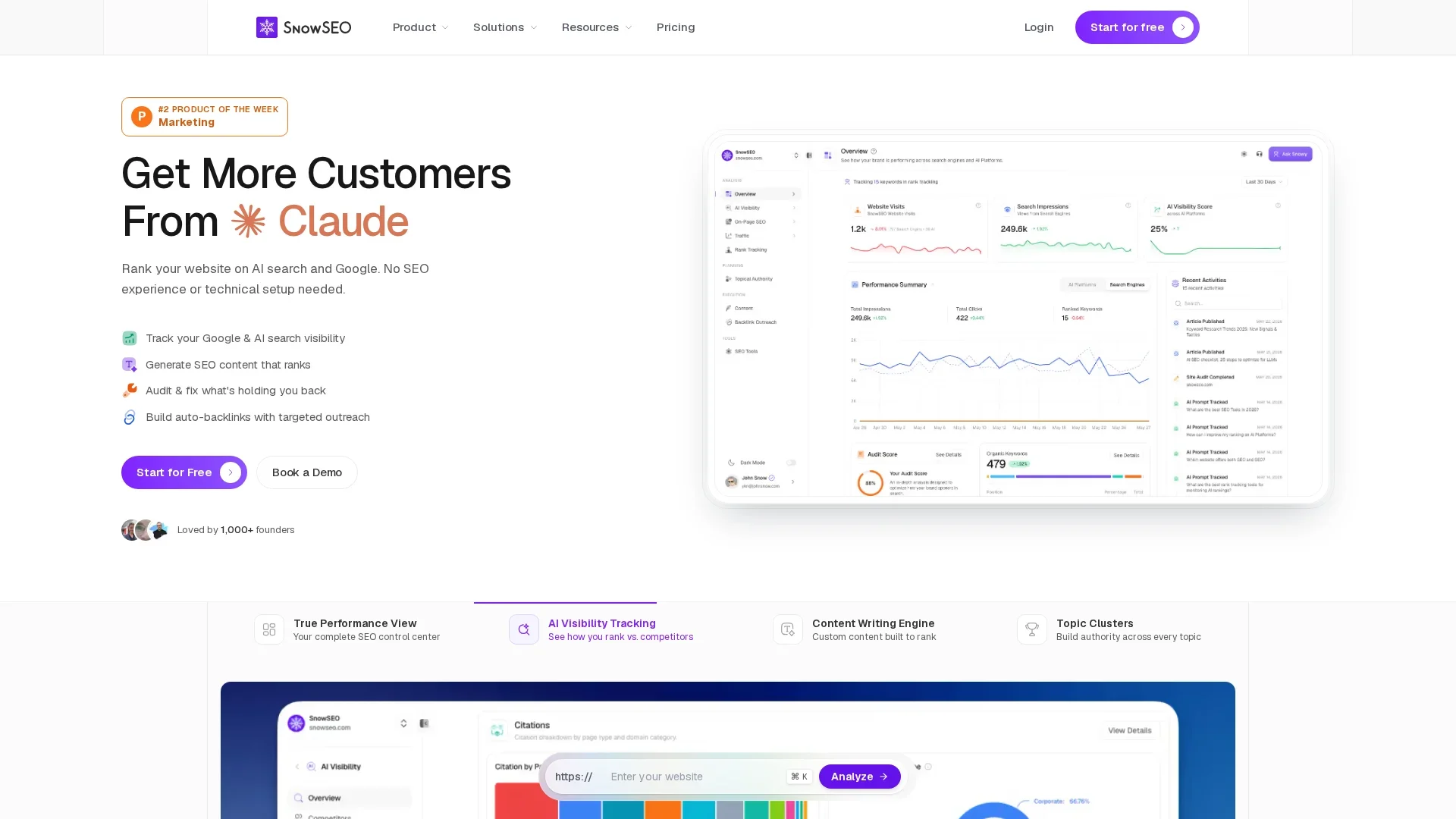
    SnowSEO is the best all-in-one rank tracker for Google and AI search. It links measurement to content, audits, and publishing in one workspace.
    SnowSEO
    Highlights

    • Track Google keywords daily, plus AI mentions, citations, sentiment, share of voice, and competitors across ChatGPT, Claude, Gemini, Perplexity, and more. See the platform overview.

    Specs

    • Best for: Founders, SMBs, content teams, and lean agencies
    • Actionability: Content, clusters, audits, backlinks, publishing, and gaps

    Pros

    • Fewer disconnected tools

    Cons

    • Review composite AI scores with prompt-level results.

    It ranks first because it turns visibility gaps into work you can publish and track.

    Last updated: August 23, 2026

    Also Read: 10 Best Tools for Competitor SEO Analysis in 2024

    2. OtterlyAI

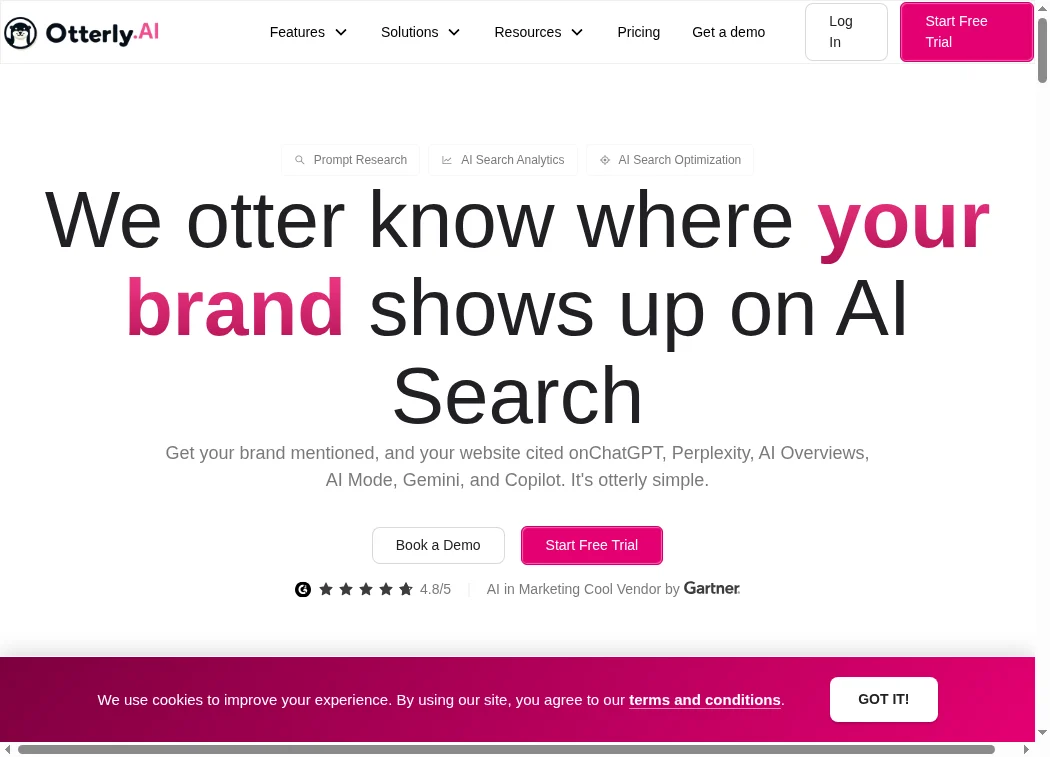
    OtterlyAI is a specialist AI search analytics platform for mentions and citations. It focuses on where AI answers name, cite, and frame your brand.
    OtterlyAI
    Highlights

    • Tracks seven AI engines, including ChatGPT, Claude, Gemini, and Google AI surfaces.
    • Stores answers to measure citation gaps, sentiment, share of voice, and competitor mentions.

    Specs

    • Best for: Agencies, SEO teams, ecommerce, and AI-search specialists.
    • Google tracking: AI Overviews and AI Mode, not full traditional SEO tracking.

    Pros

    Cons

    • Advanced engines may require add-ons.

    It ranks here because AI answer monitoring is its core strength, but its wider SEO toolkit is narrower than SnowSEO.

    Last updated: August 23, 2026

    Also Read: Best SEO Tools: 25 Picks to Improve Rankings in 2026

    3. Profound

    Profound suits enterprise teams that need structured AI search prompt intelligence. It tracks daily answers and turns findings into repeatable content and outreach work.
    ![Enterprise marketing team reviewing AI search insights on large office screens]
    Highlights

    Specs

    • Best for: Enterprise brands, agencies, and GEO programs
    • Google tracking: Use alongside a traditional rank tracker
    • AI coverage: Daily prompt-level answer tracking
    • Actionability: Content, outreach, reporting, and agents

    Pros

    • Strong segmentation by persona, region, and funnel stage.

    Cons

    • May overwhelm small teams seeking a simple dashboard.

    It ranks here because its enterprise depth exceeds many smaller teams’ needs.

    Last updated: August 23, 2026

    Also Read: SnowSEO – Your Last SEO Platform

    4. Search Atlas LLM Visibility

    Search Atlas suits teams that want AI visibility inside a broader SEO suite. It tracks how AI answers frame your brand, then connects findings to content and SEO work.

    Search Atlas LLM Visibility
    Highlights

    Specs

    • Google tracking: Available in the wider SEO platform
    • Best for: Agencies needing SEO plus AI automation

    Pros

    • Broad workflow beyond tracking

    Cons

    • Metrics need method-aware review.

    It ranks fourth because its wider suite may exceed simple tracking needs.

    Last updated: August 23, 2026

    More AI Visibility Trackers to Consider

    The four main picks fit most teams. These alternatives suit enterprise, agency, or reporting-heavy needs.

    1. AthenaHQ – Enterprise source intelligence, crawlability, citation outreach, governance, and team workflows.
    2. SE Visible – Agency-focused AI visibility with competitor, source, sentiment, multi-brand, and export tools.
    3. Rankability Tracker – Unified reporting for Google, AI engines, local, video, and citations.

    How to choose the right AI visibility rank tracker

    • Separate each signal. Track Google rank, AI mentions, answer placement, citations, and share of voice separately.
    • Confirm engine coverage. Check ChatGPT, Claude, Gemini, Perplexity, AI Overviews, and AI Mode by plan and region.
    • Demand prompt history. Saved answers reveal ranking shifts, cited sources, and competitor wins.
    • Match your workflow. Choose SnowSEO if you need tracking, content, and publishing in one place. Otterly.AI and Profound suit specialist monitoring.
    • Plan for reporting. Agencies need projects, exports, access controls, and location settings.

    Treat AI visibility as a KPI beside clicks, conversions, and Google rankings.

    Homepage
    Homepage

    Track Google rankings and AI visibility in one place. Try SnowSEO for audits, keywords, competitor insights, and smarter reporting.

    Frequently Asked Questions

    Q1: What are the best rank tracking tools for monitoring AI and traditional search engine rankings?

    SnowSEO is a strong all-in-one choice for Google ranks and AI visibility. AthenaHQ, Peec AI, and Otterly.AI focus more on AI mentions. Choose based on the platforms you need to track.

    Q2: Do AI rank trackers measure Google rankings?

    Not always. AI trackers often measure brand mentions, citations, and prompt answers. Use a tool with separate Google keyword positions and AI visibility data.

    Q3: How often should I check AI visibility?

    Check weekly for trends and after major content updates. Daily checks can be useful for active campaigns, but AI answers can change without a clear ranking signal.