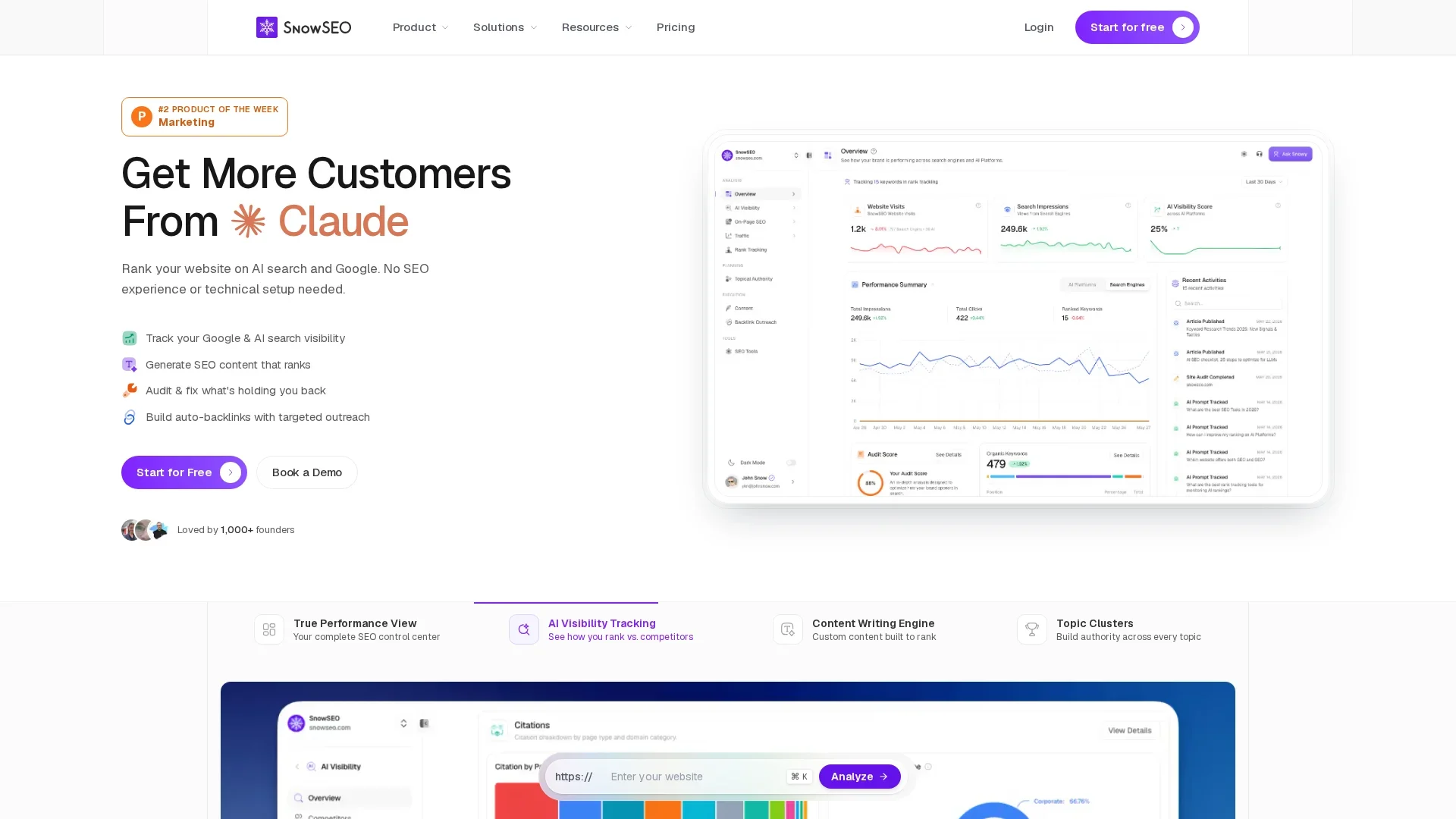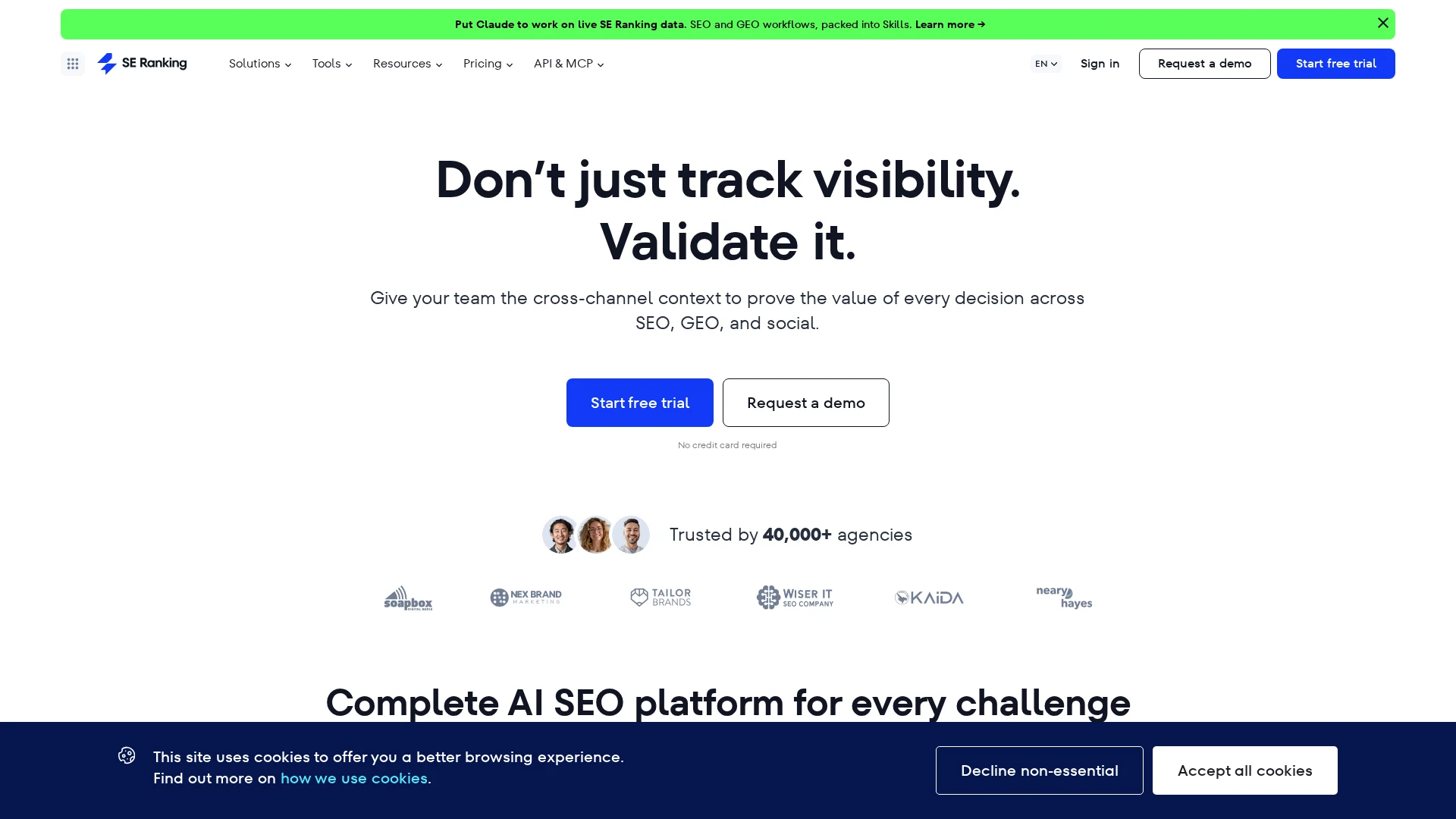
Quick Summary: In 2026, choosing an SEO platform depends on workflow integration rather than flashy dashboards. Key features include effective rank tracking, AI content tools that support quality and brand voice, strong competitive analysis, and streamlined reporting for multi-client management. SnowSEO is highlighted as a platform that consolidates these features, reducing tool sprawl and improving agency efficiency.
Choosing an SEO platform in 2026 comes down to workflow, not checklists. Basic rank tracking and keyword tools are expected. The real test is whether SEO platform features connect with AI content, competitive analysis, and client reporting in one clean system. Many agencies still juggle too many tools, lose time, and miss insights. This guide breaks down the SEO platform features that matter most, which SEO platform features cut tool sprawl, and how agencies should judge platforms for real client work.
1. Start with the features that affect agency output, not just dashboard appeal
Pretty charts do not save team time. Output does. Start with rank tracking and keyword workflows that help account managers act fast across many clients. Google says Search Console reports clicks, impressions, CTR, and average position, with daily, weekly, and monthly views for trend checks in its Performance report guide.
- Rank tracking should support daily checks, device splits, and client-to-client views.
- Comparisons should be easy at page, query, and market level.

A platform also needs keyword research tied to briefs and content calendars. Google’s query and page groupings help teams see which searches bring traffic and which pages win or miss in Search Console dimensions.
If your team exports keywords into separate docs, your platform still has a workflow gap.
Also Read: 10 Best Tools for Competitor SEO Analysis in 2024
2. Verify whether AI content generation actually helps your SEO process
AI writing helps only if it improves speed, quality, and control. Google still rewards helpful, original pages, not mass text built to game rankings, per Google’s AI content guidance.
-
Look for SEO-aware briefs, not generic text generation
Choose tools that build from search intent, entities, page type, and gaps in the current SERP. The output should start with a brief, not a blank prompt. Check whether it can suggest internal links, evidence to add, and sections your writer must verify. If it only spins readable copy, it will create commodity content fast. -
Check whether the tool supports brand voice, approval, and publishing
Good AI content needs guardrails. Your platform should store voice rules, require human review, and track edits by client or team. Google’s 2026 guidance on generative search also stresses unique, non-commodity content and solid publishing basics, as covered by Google’s new generative AI search guide.
Also Read: Rank Tracking Setup for Google and AI Search
3. Make competitive analysis a first-class buying criterion
Do not treat competitor data as a nice extra. Make it a core buying test. As HubSpot notes, your real SEO competitors are often not your business rivals, so the platform must show visibility overlap clearly.
- Compare shared keywords by market, device, and client location
- Flag keyword gaps by intent, not just volume
- Show which competitor pages win, not only which domains rank

Use competitor tracking to make client strategy easier to defend. Moz defines competitor keyword analysis as finding valuable keywords competitors rank for that you do not. That should feed reports, briefs, and monthly actions.
- Track 3-5 true search rivals per client
- Tie ranking shifts to content updates
- Turn gaps into priority page lists
If SnowSEO can connect gap data to reporting in one place, you cut tool sprawl fast.
Also Read: 10 Must-Have Tools to Streamline Your SEO in 2025
4. Choose the platform based on reporting, collaboration, and scale
Pick the platform your clients will actually feel. White-label reporting and scheduled sends matter fast. Google says Search Console bulk export runs daily and starts within 48 hours after setup, which helps if your platform can turn raw data into client-ready reports without manual work Google Search Console help.
- Check branded report templates
- Confirm automated email delivery
- Test PDF and live link options
Your team also needs a clean workspace model. Google notes bulk exports can keep growing over time and data is retained unless you set limits, so scale and permissions matter table reference.
- Separate clients by workspace or property
- Set role-based access
- Audit task history and approvals
Also Read: SnowSEO – Your Last SEO Platform
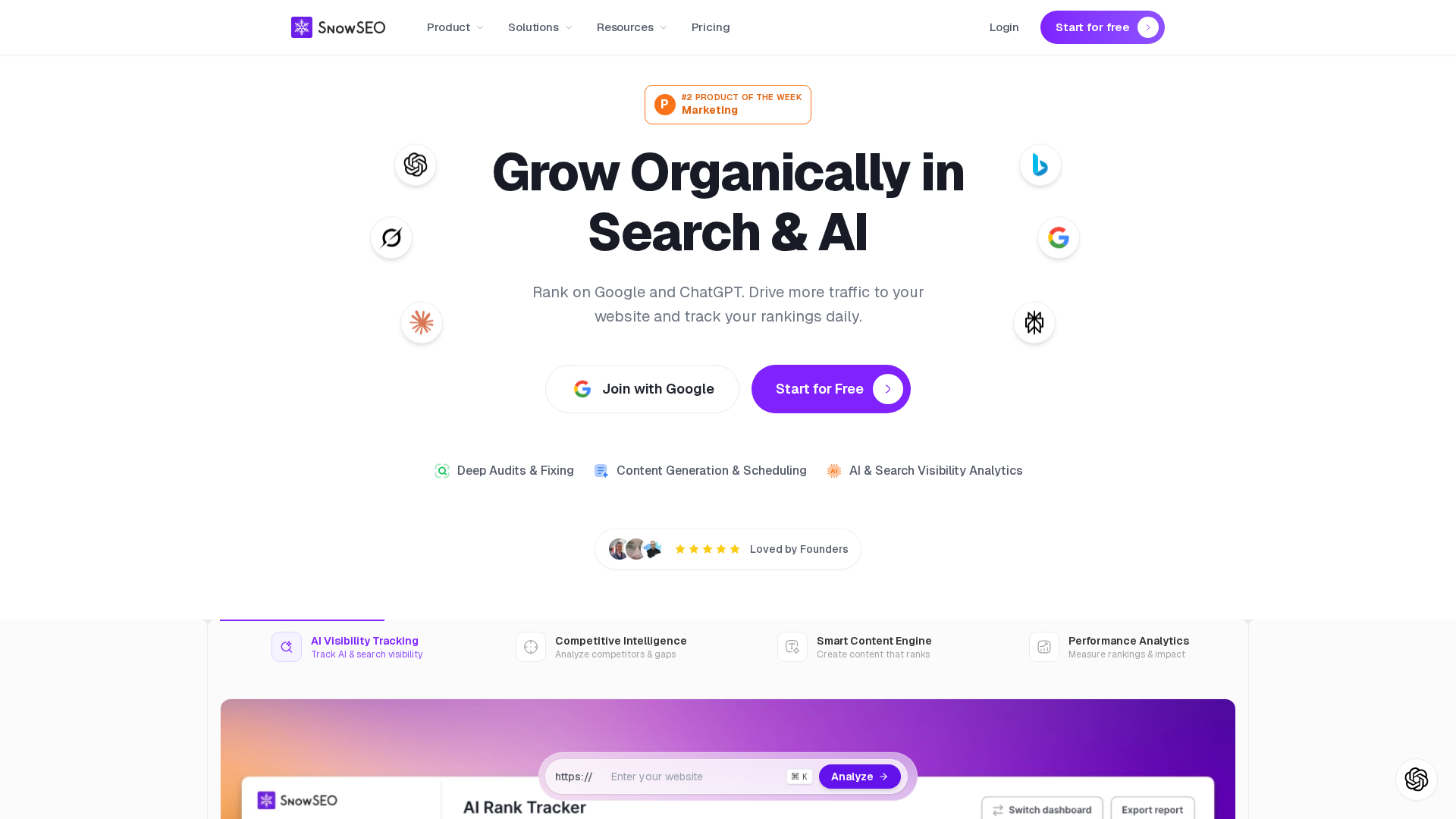
Cut tool sprawl and manage client SEO faster with SnowSEO. Get audits, tracking, content, and competitive data in one platform built for agencies.
Frequently Asked Questions
Q1: Which SEO platform offers the best integration of rank tracking, keyword research, AI content generation, and competitive analysis?
SnowSEO fits agencies that want one workflow, not five tools.
Q2: What feature matters most for multi-client agencies?
Client-level permissions and clean reporting save the most time.
Q3: Should agencies replace point tools in 2026?
Not always. Replace overlap first, then keep tools with clear, unique value.
Conclusion
Agencies should buy for shared workflows, clean reporting, strong integrations, and AI search tracking, not bloated checklists. Google says core SEO still supports generative search in its AI optimization guide, while AI Search updates show why unified platforms now matter more.